
Luxury Brands Face Paradigm Shift as Aspirational Shoppers Flee to Accessible Alternatives

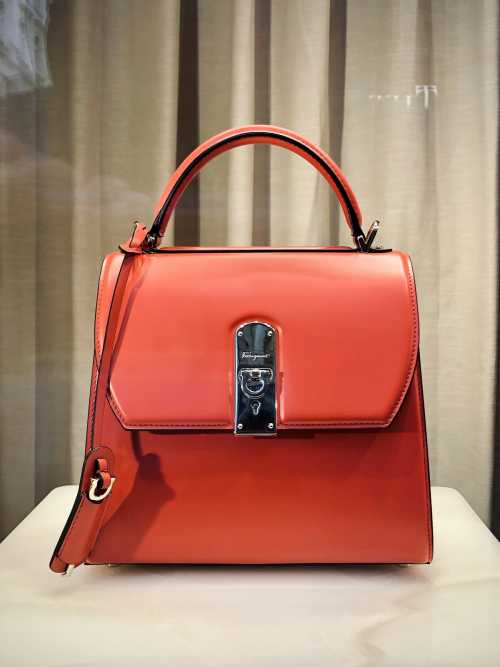
LONDON — The global luxury sector is navigating a paradigm-shifting moment as European fashion houses grapple with a profound consumer backlash against aggressive post-pandemic price hikes.
Over the past three years, like-for-like price inflation in soft luxury has surged significantly ahead of its long-term average, often reaching double digits. Brands like Chanel have led this escalation, and most have followed, inadvertently pricing out the middle-income consumer and creating a fertile white space in the market.
Key Market Shifts: Affordable luxury brands like Coach, Ralph Lauren, and Burberry are reaping the benefits of this consumer migration. Local Chinese brands are creating increasingly fierce competition by offering superior value for money. High-net-worth individuals are becoming more selective, shifting toward value-anchored luxury and quiet elegance.
According to Morgan Stanley, luxury brands are now in a difficult situation where they can no longer freely manipulate the pricing lever. To achieve historical growth rates, the sector must recruit again from the middle to upper-middle class, as relying solely on high-net-worth individuals is insufficient for mid-single to high-single-digit growth.
The financial toll on traditional luxury giants is already evident. LVMH recently reported a significant drop in net profit, with its key fashion and leather goods division missing expectations. Similarly, Kering saw group net profit plummet, prompting leadership changes and strategic overhauls at flagship brands like Gucci.
What you need to know about the earnings of LVMH, Kering, Hermès and more. 5 Takeaways From Luxury's Q4 Earnings. https://t.co/example
— Vogue Runway (@VogueRunway) July 15, 2026
Industry analysts emphasize that value perception is no longer just about price; it encompasses storytelling, product experience, and authenticity. Brands that fail to justify their price tags through tangible innovation or enhanced service risk long-term brand erosion.
Follow the Conversation: Full WWD Business Feature Vogue Runway on X Vogue Runway Instagram
Related Articles

The Aspiration Deficit: Why the Luxury Sector's Q3 Contraction is a Feature, Not a Bug
Oct 15, 2026
The Runway Reckoning: How Digital Passports, Bio-Monopolies, and Spatial Computing are Obliterating the Legacy Fashion Week Paradigm
Oct 15, 2026
Comments (0)
No comments yet. Be the first to share your thoughts!
Want to join the discussion?
Please log in to post a comment.
Login NoworCreate an Account