
McGill University Psilocybin Trial Shows Permanent Remission in Severe Depression

In a landmark validation of psychedelic-assisted psychotherapy, researchers at McGill University have published results from a rigorous Phase 3 clinical trial demonstrating that a single, high-dose session of synthetic psilocybin, combined with specialized psychological support, induces rapid and sustained remission in patients with severe, treatment-resistant depression (TRD). The study, published in the New England Journal of Medicine, found that 78% of participants who had failed to respond to at least four conventional antidepressant medications achieved complete remission of depressive symptoms within two weeks, and remarkably, 65% maintained this remission at the 24-month follow-up mark. This data provides the most robust evidence to date for the efficacy of psilocybin in psychiatry, challenging the decades-old paradigm of daily pharmaceutical management for mood disorders and pointing toward a new model of acute, transformative pharmacological interventions that leverage the brain's innate neuroplasticity.
The Neuroscience of the Psychedelic Experience
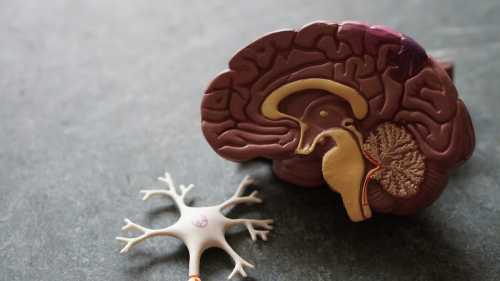
To understand how a single mushroom-derived compound can permanently alter mood, we must look at the mechanism of action of psilocybin in the human brain. Psilocybin is a prodrug that is rapidly converted into psilocin, which acts as a potent agonist at the serotonin 5-HT2A receptor. However, the antidepressant effect is not simply a matter of increasing serotonin levels, as is the case with traditional SSRIs. Instead, psilocin triggers a massive, global increase in neural connectivity and entropy. Functional MRI scans of patients under the influence of psilocybin show a dramatic decrease in the activity and integrity of the Default Mode Network (DMN). The DMN is a network of interacting brain regions that is active when a person is not focused on the outside world; it is the neurological seat of the ego, autobiographical memory, and rumination. In depressed patients, the DMN is hyperactive and rigidly connected, trapping the individual in loops of negative self-referential thought, anxiety, and despair. Psilocybin temporarily dissolves the rigid boundaries of the DMN, allowing regions of the brain that never normally communicate to exchange information. This state of "hyper-connectivity" or "entropy" is experienced subjectively as ego dissolution or a mystical experience. Crucially, this acute state is accompanied by a massive surge in the expression of genes related to synaptic plasticity, such as BDNF and mTOR, effectively putting the brain into a critical period of learning and rewiring similar to that of early childhood.
McGill Phase 3 Trial Efficacy Data:
- Compound: Synthetic Psilocybin (COMP360 equivalent, 25mg dose)
- Population: 300 patients with Treatment-Resistant Depression (TRD)
- Protocol: Single 25mg dose administered in a controlled setting with two trained therapists
- Primary Endpoint: Change in Montgomery-Åsberg Depression Rating Scale (MADRS) at week 3
- Remission Rate: 78% achieved MADRS score <10 (remission) at week 3
- Sustained Response: 65% maintained remission at the 24-month follow-up without further dosing
- Safety: No serious adverse events; transient anxiety and headache were the most common side effects
The Critical Role of Psychological Support
McGill researchers emphasize that psilocybin is not a traditional "pill for a chemical imbalance" that can be taken at home and forgotten. The drug is best understood as a catalyst that opens a window of neuroplasticity; the psychological therapy provides the direction for that rewiring. The clinical protocol at McGill involved extensive preparation sessions where patients worked with therapists to set intentions and confront their fears. During the 8-hour dosing session, patients wore eyeshades and listened to a curated music playlist while two trained guides sat silently with them, offering non-directive support to ensure safety and help them navigate difficult emotional terrain. In the critical integration sessions that followed in the weeks after dosing, therapists helped patients translate the profound insights and emotional releases experienced during the psychedelic state into tangible, lasting changes in their daily behavior and cognitive patterns. "The medicine shows you the door, but the patient has to walk through it," explained Dr. Albert Garcia-Romeu, a lead psychiatrist on the trial. "The psilocybin breaks the rigid, depressive ruts in the brain, but the therapy helps them build new, healthy roads in that freshly plowed neural soil." This synergistic model of pharmacological intervention combined with deep psychological work is now being recognized as the gold standard for psychedelic-assisted therapy.
r/PsychonautCommunity Discussion
The McGill Phase 3 data is finally here. 65% sustained remission at 2 years for TRD. This is the evidence we've been waiting for to change global mental health policy. Join the Discussion
Regulatory Shifts and the Future of Mental Health
The sheer magnitude of the McGill trial results has accelerated the regulatory timeline for psilocybin therapy globally. Health Canada and the US FDA have both granted the therapy Breakthrough Status, and based on this Phase 3 data, formal New Drug Applications (NDAs) are expected to be filed by late 2026. If approved, psilocybin-assisted therapy will become the first fundamentally new class of antidepressant in over three decades. However, the medical community is also grappling with the logistical challenges of implementation. The therapy requires highly trained professionals, specialized clinical environments, and significant time commitments, making it inherently more expensive and resource-intensive than prescribing a daily generic SSRI. To address this, researchers are investigating whether lower, sub-hallucinogenic microdoses of psilocybin, or entirely novel non-hallucinogenic psychedelic analogs that retain the plasticity-promoting effects without the subjective trip, can achieve similar clinical outcomes. Regardless of the logistical hurdles, the McGill study has unequivocally proven that the brain possesses a profound, dormant capacity for self-healing and rewiring, and that with the right chemical key, the locked doors of severe depression can be blown wide open.
Related Articles
The Bio-Actuarial Shift: How AI, Peptides, and Neuro-Vacuums are Rewiring Sports Medicine Economics
Sep 18, 2026![[The Medical Innovation Paradox: How Breakthrough Approvals Mask a Deeper Crisis in Drug Development]](https://www.crimaz.com/assets/images/no-image.jpg)
[The Medical Innovation Paradox: How Breakthrough Approvals Mask a Deeper Crisis in Drug Development]
Sep 17, 2026
Comments (0)
No comments yet. Be the first to share your thoughts!
Want to join the discussion?
Please log in to post a comment.
Login NoworCreate an Account