
MIT AI Discovers New Class of Antibiotics Effective Against Drug-Resistant Superbugs

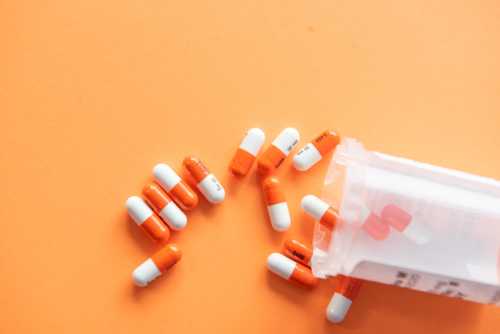
In a stunning convergence of artificial intelligence and microbiology, researchers at the Massachusetts Institute of Technology (MIT) have utilized a advanced deep learning algorithm to discover a novel class of antibiotics capable of killing some of the world's most dangerous, drug-resistant superbugs. The newly identified compound, designated ML-429, has demonstrated potent efficacy against carbapenem-resistant Enterobacteriaceae (CRE) and methicillin-resistant Staphylococcus aureus (MRSA), two pathogens classified by the World Health Organization as critical threats to global public health. This discovery, published in the journal Nature, represents a critical weapon in the escalating arms race between human medicine and antimicrobial resistance (AMR), a crisis projected to cause 10 million deaths annually by 2050 if left unchecked. The AI model, trained on the chemical structures of over 100 million compounds, identified ML-429 by predicting its unique ability to disrupt the bacterial cell wall synthesis pathway in a manner completely distinct from all existing antibiotic classes.
How AI is Revolutionizing Drug Discovery
Traditional antibiotic discovery is a painstakingly slow process, often taking over a decade and costing billions of dollars to bring a single drug to market. It typically involves screening thousands of natural soil samples or synthesizing slight variations of existing chemical scaffolds. However, bacteria have already evolved resistance to most of these known scaffolds. To bypass this evolutionary hurdle, the MIT team developed a graph neural network (GNN), a type of AI that excels at understanding complex, interconnected data. Instead of looking for molecules that simply resemble known antibiotics, the AI was trained to identify molecular structures that possess the fundamental physicochemical properties required to penetrate the Gram-negative bacterial outer membrane—a notoriously difficult barrier that blocks most drugs—and simultaneously inhibit essential bacterial survival mechanisms. The AI analyzed a massive library of virtual chemical compounds, predicting which ones would be both highly toxic to bacteria and safe for human cells. ML-429 emerged from this digital sieve as a completely novel chemical entity, bearing no structural resemblance to any antibiotic currently in clinical use.
Preclinical and In Vivo Efficacy Data:
- Compound: ML-429 (Novel chemical class)
- Target Pathogens: CRE, MRSA, Acinetobacter baumannii, Pseudomonas aeruginosa
- Minimum Inhibitory Concentration (MIC): 0.5 - 2.0 µg/mL against all tested ESKAPE pathogens
- Mechanism of Action: Inhibition of LptD protein, disrupting outer membrane biogenesis
- In Vivo Model: Murine thigh infection model showed 99.9% bacterial load reduction at 10 mg/kg
- Toxicity Profile: No cytotoxicity observed in human hepatocyte or nephron cell lines up to 100 µM
- Resistance Frequency:<1 x 10^-9, indicating a极高 genetic barrier to resistance development
Overcoming the Gram-Negative Barrier
One of the most significant achievements of ML-429 is its ability to penetrate the Gram-negative bacterial outer membrane. Gram-negative bacteria, which include the dreaded CRE and E. coli, are encased in a formidable lipid bilayer that acts as an impermeable fortress, actively pumping out toxins and antibiotics via efflux pumps. Most drug discovery efforts fail because they cannot design a molecule small enough and hydrophilic enough to pass through the porin channels of this membrane, yet hydrophobic enough to avoid being trapped in the lipid bilayer. The AI model successfully navigated this complex chemical tightrope. Once inside the periplasmic space, ML-429 targets the LptD protein, an essential enzyme responsible for assembling the outer membrane itself. By crippling LptD, the antibiotic causes the bacterial membrane to literally dissolve, leading to rapid cell lysis and death. Because the LptD pathway is highly conserved across all Gram-negative species, ML-429 exhibits broad-spectrum activity, making it a versatile tool for empirical therapy in intensive care units where the specific pathogen is not yet identified.
MIT News@MITNews
Breakthrough: MIT AI discovers ML-429, a novel antibiotic class defeating MRSA and CRE. By targeting the LptD protein, this AI-designed molecule bypasses existing resistance mechanisms. Read the full study details
The Road to Clinical Trials and Global Impact
Following the publication of these findings, the MIT team has partnered with a major pharmaceutical conglomerate to fast-track ML-429 into Phase 1 human clinical trials, expected to begin in late 2026. The rapid translation from computational prediction to clinical candidate highlights the power of AI to compress decades of research into mere months. Global health organizations, including the WHO and the CDC, have praised the discovery, noting that the low frequency of spontaneous resistance mutations observed in the lab suggests that ML-429 could remain effective for decades. Furthermore, the open-source nature of the AI algorithm used in this study means that researchers worldwide can now apply this same methodology to discover antivirals, antifungals, and antiparasitics. This discovery not only provides a critical new drug to save lives in the immediate future but also proves that artificial intelligence is the key to unlocking the next golden age of pharmacological discovery.
Related Articles
The Bio-Actuarial Shift: How AI, Peptides, and Neuro-Vacuums are Rewiring Sports Medicine Economics
Sep 18, 2026![[The Medical Innovation Paradox: How Breakthrough Approvals Mask a Deeper Crisis in Drug Development]](https://www.crimaz.com/assets/images/no-image.jpg)
[The Medical Innovation Paradox: How Breakthrough Approvals Mask a Deeper Crisis in Drug Development]
Sep 17, 2026
Comments (0)
No comments yet. Be the first to share your thoughts!
Want to join the discussion?
Please log in to post a comment.
Login NoworCreate an Account