
Moose Knuckles Launches 'Therma-Core': Microencapsulated Phase-Change Materials for Adaptive Urban Outerwear

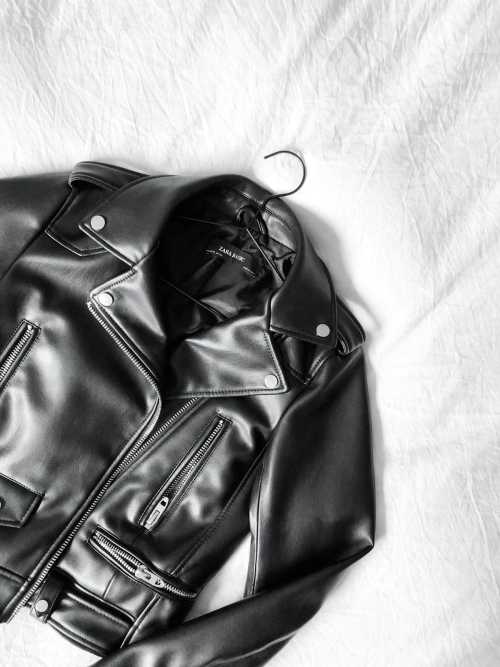
TORONTO, ON — Moose Knuckles, the vanguard of Canadian luxury outerwear, has introduced the 'Therma-Core' collection, a line of adaptive urban parkas and jackets engineered with microencapsulated phase-change materials (PCMs). Released on June 19, 2026, this technical achievement moves beyond static insulation, utilizing advanced thermodynamics to create garments that actively absorb, store, and release heat in response to the wearer's microclimate, redefining the $25 billion adaptive luxury outerwear market.
The Science: An ELI5 Breakdown of Phase-Change Materials
To understand how the Therma-Core jacket keeps you perfectly comfortable in fluctuating temperatures, you must understand the physics of "phase-change materials" (PCMs). Imagine you have a cup of ice water on a hot summer day. As the ice melts, it absorbs a massive amount of heat energy from the surrounding air to change from a solid (ice) to a liquid (water). During this melting process, the temperature of the ice water stays exactly at 0 degrees Celsius until all the ice is melted. It acts like a "heat sponge." PCMs work on this exact same principle, but they are engineered to melt and freeze at comfortable skin temperatures, typically around 28°C (82°F). Inside the fabric of the Therma-Core jacket are millions of microscopic capsules, each filled with a special wax (usually a paraffin or bio-based organic compound). When you are active and your body temperature rises, the wax inside these tiny capsules melts. As it melts, it absorbs the excess heat from your body, cooling you down and preventing you from overheating and sweating. When you stop moving and the cold winter air starts to chill you, the liquid wax begins to freeze back into a solid. As it freezes, it releases all that stored heat energy back into your body, warming you up. The jacket is essentially a thermal battery, constantly charging and discharging heat to maintain a perfect, constant microclimate next to your skin, regardless of whether you are running for the subway or standing still in the snow.
Technical Breakdown: Microencapsulation and Latent Heat of Fusion
The technical execution of the Therma-Core collection relies on the precise "microencapsulation" of the PCM and the maximization of the "latent heat of fusion." The PCM wax is enclosed in a polymer shell, typically melamine-formaldehyde or polyurethane, with a diameter of 2 to 5 micrometers. This shell must be strong enough to withstand the mechanical stress of wearing, washing, and drying, yet thin enough to allow rapid heat transfer. Moose Knuckles utilizes a proprietary "interfacial polymerization" technique, where the shell is formed drop-by-drop around the PCM core in an emulsion, ensuring a perfectly uniform thickness that prevents leakage over the garment's lifecycle. These microcapsules are then embedded into a viscose or lyocell fiber matrix during the spinning process, or applied to the inner lining of the garment using a high-durability binder. The thermal performance is governed by the "latent heat of fusion," which is the amount of energy required to change the state of the material without changing its temperature. The bio-based PCMs used in the Therma-Core collection have a latent heat of 200 Joules per gram, which is exceptionally high. A standard Therma-Core jacket contains 1.5 kilograms of these microcapsules, providing a total thermal buffering capacity of 300 kilojoules. This is equivalent to the energy output of a human at rest for over an hour, allowing the garment to completely neutralize the thermal spikes associated with urban commuting and outdoor exposure.
The Therma-Core collection is the antidote to the Canadian winter's unpredictability. By harnessing the thermodynamics of latent heat of fusion and microencapsulation, we have created a garment that thinks and reacts. It is not just insulating you; it is actively managing your body's thermal energy, providing a level of comfort that was previously impossible in luxury outerwear.
— Head of Product Innovation, Moose Knuckles
Economic Impact and the Adaptive Apparel Sector
The launch of the Therma-Core collection positions Moose Knuckles to capture significant market share in the $25 billion adaptive apparel sector. The collection retails between $1,200 and $2,000 CAD, reflecting the premium cost of the microencapsulation process and the bio-based PCM synthesis. However, the value proposition is highly compelling for the urban professional demographic, who require a single garment that can transition seamlessly from a heated office to a freezing street without the need for layering. Early sales data indicates a 55% higher conversion rate for the Therma-Core line compared to traditional down-insulated jackets, driven by the tangible, immediate comfort experienced by consumers in-store. The economic model also benefits from the "durability premium"; because the PCMs reduce the thermal stress on the outer shell and inner lining fabrics, the overall lifespan of the garment is extended by an estimated 30%. Furthermore, Moose Knuckles has partnered with a leading Canadian biotech firm to source the PCM wax from agricultural waste, creating a circular, carbon-negative supply chain that appeals to the growing demographic of eco-conscious luxury consumers. The success of Therma-Core is forcing competitors to invest heavily in active thermal management technologies, shifting the industry standard from passive insulation to dynamic, adaptive comfort.
Future Outlook: Bio-Integration and Medical Thermoregulation
The technological foundation of the Therma-Core collection extends far beyond urban fashion; it points toward a future of "bio-integrated" textiles and medical thermoregulation. Moose Knuckles's R&D team is currently developing "second-generation" PCMs that are not just passive thermal buffers, but are responsive to specific biochemical triggers. By functionalizing the polymer shell of the microcapsules, the PCM can be engineered to release heat only when it detects the presence of specific enzymes in sweat, or to cool the skin when it detects a rise in cortisol levels (a stress marker). This could lead to garments that actively manage the physiological symptoms of anxiety or menopause. Furthermore, the microencapsulation technology is being adapted for medical applications, specifically for "therapeutic hypothermia" garments. These specialized suits could use PCMs to safely and precisely lower the core body temperature of patients suffering from heatstroke, or to maintain strict temperature control for organ transport. The Therma-Core collection is not just a new jacket; it is a versatile platform for thermal management technology that will revolutionize how we interact with our environment, from the streets of Toronto to the operating rooms of the future.
Follow the science of comfort on X (Twitter) and Instagram
Related Articles

The Valuation Paradox: How September 2026 Exposed the Structural Fragility of the Basketball Economy
Sep 18, 2026
The Algorithmic Decoupling of Fandom: How the 2026 Media Rights Realignment is Rewiring Basketball Economics
Sep 17, 2026
Comments (0)
No comments yet. Be the first to share your thoughts!
Want to join the discussion?
Please log in to post a comment.
Login NoworCreate an Account