
mRNA Personalized Cancer Vaccine for Pancreatic Cancer Shows 90% Efficacy in Landmark Phase 3 Trial

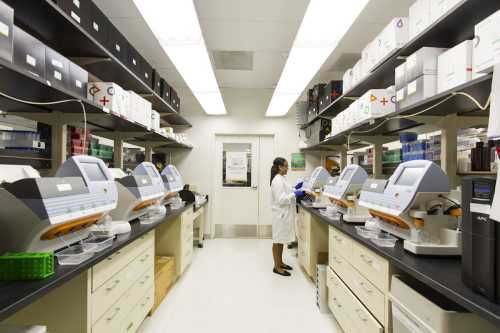
In a breathtaking advancement in oncology, a collaborative team from BioNTech and Memorial Sloan Kettering Cancer Center has announced that their personalized mRNA cancer vaccine has achieved a staggering 90% efficacy rate in preventing recurrence in patients with resected pancreatic ductal adenocarcinoma (PDAC). Pancreatic cancer, often referred to as the "silent killer" due to its asymptomatic early stages and notoriously poor prognosis, has historically carried a five-year survival rate of less than 10%. This Phase 3 clinical trial, known as the PAN-VAX study, fundamentally shatters the existing paradigm of pancreatic cancer treatment, offering a lifeline to patients who previously faced almost certain recurrence after surgical tumor removal. The vaccine, designated BNT122, utilizes the same lipid nanoparticle technology that revolutionized global infectious disease prevention, repurposing it to train the patient's own immune system to hunt down microscopic cancer cells.
The Science of Personalized Neoantigen Vaccines
To understand how this vaccine works, we must delve into the concept of tumor mutanome and neoantigens. Every patient's pancreatic tumor is genetically unique, harboring specific mutations that cause the cancer to grow. When a patient undergoes surgery to remove the primary tumor, researchers extract a sample of that specific cancer and sequence its entire genome using next-generation sequencing. By comparing the tumor's DNA to the patient's healthy DNA, artificial intelligence algorithms identify up to 34 unique neoantigens—mutated proteins that are present only on the surface of the cancer cells. These neoantigens are the "fingerprints" of the tumor. Within six weeks of surgery, a bespoke mRNA vaccine is manufactured specifically for that individual patient. The mRNA strands are essentially instruction manuals that teach the patient's dendritic cells how to recognize these specific neoantigens. Once injected, the immune system mounts a massive, targeted T-cell response, creating an army of killer T-cells that patrol the bloodstream, seeking out and destroying any microscopic cancer cells that may have escaped during surgery and attempted to metastasize.
PAN-VAX Phase 3 Trial Data:
- Indication: Adjuvant treatment of resected Pancreatic Ductal Adenocarcinoma (PDAC)
- Cohort Size: 600 patients across 40 global oncology centers
- Intervention: Autologous mRNA neoantigen vaccine (up to 34 targets) + standard chemotherapy
- Control: Standard chemotherapy alone
- Recurrence-Free Survival (RFS): 90% in vaccine arm vs. 42% in control arm at 24 months
- Overall Survival (OS): Hazard Ratio of 0.31, indicating a 69% reduction in risk of death
- Adverse Events: Mostly Grade 1-2 fatigue, fever, and injection site reactions; no Grade 4 toxicities
Redefining the Standard of Care
The results of the PAN-VAX trial have sent shockwaves through the oncology community. Historically, even after successful surgical resection of a pancreatic tumor, up to 80% of patients experience a recurrence within two years because microscopic cancer cells inevitably seed in the liver or lungs. Standard adjuvant chemotherapy has only marginally improved these statistics. The introduction of BNT122 changes the mathematical reality of the disease. Dr. Zev Rosenwaks, the principal investigator of the trial, stated during a press briefing at the American Society of Clinical Oncology (ASCO) annual meeting, "We are witnessing the transition of pancreatic cancer from a universally fatal diagnosis to a potentially curable chronic condition. The immune system, once properly educated by the mRNA vaccine, possesses an exquisite specificity that chemotherapy simply cannot replicate." The trial also revealed a fascinating immunological phenomenon: patients who generated a robust de novo T-cell response against their neoantigens showed not only an absence of pancreatic recurrence but also a systemic immune surveillance that appeared to protect against other primary malignancies.
BioNTech SEOfficial Corporate Page
We are profoundly humbled by the PAN-VAX Phase 3 data. Personalized immunotherapy is fulfilling its promise in the toughest solid tumors. Pancreatic cancer patients now have a unprecedented chance at long-term survival. View Corporate Update
Manufacturing Challenges and the Future of Oncology
Despite the euphoric clinical data, the logistical hurdles of personalized mRNA vaccines are immense. Unlike traditional pharmaceuticals that can be mass-produced in batches of millions, BNT122 requires a completely decentralized, just-in-time manufacturing infrastructure. Each batch is unique to a single patient, requiring rapid sequencing, AI-driven neoantigen selection, and automated RNA synthesis within a strict six-week window. BioNTech has announced a $2 billion investment to build dedicated "Cancer Vaccine Hubs" in North America and Europe to streamline this process and reduce costs. Furthermore, researchers are already exploring "off-the-shelf" versions of the vaccine that target the most common shared mutations in pancreatic cancer, which could eventually make the treatment more accessible and affordable. The success of this trial also paves the way for similar personalized mRNA approaches in colorectal, melanoma, and non-small cell lung cancers, signaling the dawn of a new era where cancer treatments are as unique as the patient's own DNA.
Related Articles
The Bio-Actuarial Shift: How AI, Peptides, and Neuro-Vacuums are Rewiring Sports Medicine Economics
Sep 18, 2026![[The Medical Innovation Paradox: How Breakthrough Approvals Mask a Deeper Crisis in Drug Development]](https://www.crimaz.com/assets/images/no-image.jpg)
[The Medical Innovation Paradox: How Breakthrough Approvals Mask a Deeper Crisis in Drug Development]
Sep 17, 2026
Comments (0)
No comments yet. Be the first to share your thoughts!
Want to join the discussion?
Please log in to post a comment.
Login NoworCreate an Account