
NHS AI Revolution: How New Artificial Intelligence is Slashing Hospital Waiting Times Across the UK

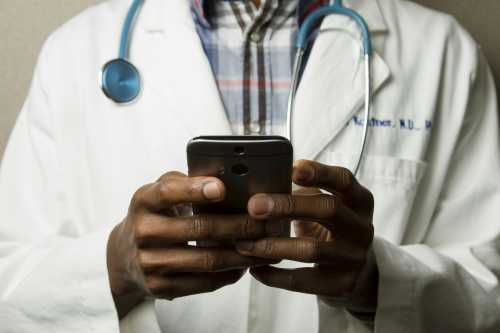
The Waiting Room Problem: A Nation in Line
Imagine you have a terrible pain in your knee, or perhaps a persistent cough that just will not go away. You go to your local doctor, and they tell you that you need a special picture taken of the inside of your body to see what is wrong. This picture is called an X-ray or an MRI scan. In the United Kingdom, we are incredibly lucky to have the National Health Service, or NHS. The NHS is like a giant, caring family doctor for the entire country. It promises that no matter how much money you have in your bank account, you will be treated when you are sick. But recently, this beautiful promise has faced a very big problem. Because of the backlog from the pandemic and a shortage of specialist doctors, millions of people have been stuck on waiting lists. Being on a waiting list means you have to wait weeks, sometimes months, just to get your scan looked at by an expert. It is like standing in a line at a very popular bakery, but the line never seems to move, and you are in pain while you wait.
The Tired Eyes of the Radiologist
To understand why the line is so long, we need to meet the heroes at the end of it: the radiologists. A radiologist is a highly trained doctor who specializes in looking at X-rays, CT scans, and MRI images. Their job is to spot the tiny, hidden clues that show where the sickness is hiding. But looking at these black-and-white pictures is incredibly difficult. It requires intense concentration. A single MRI scan of a brain can have hundreds of slices, like a loaf of bread. The radiologist has to look at every single slice to make sure they do not miss a tiny shadow that could be a tumor. Because there are not enough radiologists in the UK to look at the millions of scans taken every year, the doctors are working late into the night, their eyes tired and strained. This bottleneck is the main reason the waiting lists have grown so large.
Enter the Digital Helper: What is AI?
But today, June 28, 2026, the Department of Health and Social Care announced a brilliant solution to help our tired doctors. They are rolling out a massive national network of Artificial Intelligence, or AI, across NHS hospitals. Now, AI sounds like a scary word from a science fiction movie, but in the hospital, it is actually a very friendly helper. Think of AI as a super-fast reading assistant who never gets tired, never needs to sleep, and has read millions of medical textbooks. The AI does not replace the human doctor. Instead, it sits next to the doctor and says, "Look here! I found something unusual on slice 42. You should check this." By doing the heavy lifting of sorting through the normal, healthy scans, the AI allows the human doctor to focus all their energy and brilliance on the patients who really need them.
Training the Machine to See
How did we teach a computer to see inside the human body? Over the last five years, thousands of NHS doctors volunteered to help train the AI. They fed the computer millions of completely anonymous scans. "Anonymous" means all the names and addresses were removed, so the computer only saw the bones and tissues, never the private identities of the patients. The doctors showed the computer a healthy lung, and said, "This is normal." Then they showed it a lung with pneumonia, and said, "This is sick." After looking at millions of examples, the AI's "brain" (which is called a neural network) learned to recognize the patterns of disease just as well as a senior consultant. In fact, in some tests, the AI was able to spot the earliest signs of bone cancer or lung disease months before a human eye could see them.
"We are not replacing doctors with machines. We are giving our doctors a superpower. This AI rollout is the biggest step we have taken in a generation to dismantle the waiting lists and get patients the answers they deserve, faster than ever before." - Wes Streeting, Secretary of State for Health and Social Care
A Patient's Journey: Before and After AI
Let us look at what this means for a real person. Imagine a grandfather named Arthur living in Manchester. In the past, if Arthur had a suspicious cough, his GP would order a chest X-ray. The X-ray would be taken, but it might sit in a digital queue for three weeks waiting for a radiologist to review it. If the radiologist found a shadow, Arthur would be called back for more tests, causing him weeks of terrible anxiety. But today, with the new NHS AI network, Arthur's X-ray is uploaded to the secure hospital computer. Within three minutes, the AI analyzes it. It instantly flags a tiny, early-stage nodule and highlights it in bright red on the screen. The radiologist, who is now freed from looking at hundreds of clear, healthy chests, reviews Arthur's scan immediately. Arthur gets a phone call that same afternoon, and his treatment begins the next week. By catching the illness early, Arthur's life is saved, and the NHS saves thousands of pounds that would have been spent on emergency surgery later.
Keeping Your Secrets Safe: The Data Vault
Whenever we talk about computers and hospitals, people naturally worry about their privacy. Your medical records are the most private things about you. The NHS has been incredibly careful about this. The new AI system does not send your pictures to foreign tech companies. Instead, the AI lives inside the NHS Federated Data Platform, which is like a highly secure, digital fortress built right here in the UK. The data is heavily encrypted, which means it is scrambled into a secret code that only the hospital computers can understand. Strict UK GDPR laws ensure that the AI is only ever learning from the patterns of the diseases, never from the names or identities of the patients. The Chief Medical Officer has assured the public that your privacy is locked tighter than the Crown Jewels.
The Economics of Early Detection
Some people might ask, "Isn't buying all this AI technology very expensive?" It is true that the government has invested over £500 million into this digital transformation. But in the world of healthcare, spending money to catch a sickness early actually saves a massive amount of money later. Treating a patient in the early stages of a disease usually involves simple pills or a minor procedure. But if a patient is stuck on a waiting list for a year, their disease might grow severe, requiring months in an intensive care unit, expensive surgeries, and long-term disability support. By using AI to slash the waiting lists, the NHS is actually balancing its budget. It is shifting from a system that pays to manage sickness, to a system that invests in preserving health.
The Human Touch Remains
It is very important to remember that medicine is not just about science; it is about compassion. A computer can spot a shadow on a lung, but a computer cannot hold a patient's hand when they are scared. A computer cannot explain a difficult diagnosis with kindness and empathy. That is why the NHS AI revolution is so beautiful. By letting the machine do the boring, repetitive work of sorting through thousands of normal scans, it gives the human doctors the most precious gift of all: time. Time to sit down with a worried mother. Time to explain a treatment plan clearly. Time to look a patient in the eye and say, "We have a plan, and we are going to take care of you." The AI handles the data, so the doctors can handle the humanity.
Looking to the Future of the NHS
The rollout announced on June 28, 2026, is just the beginning. Right now, the AI is mostly looking at X-rays and scans. But soon, it will help listen to heartbeats, predict which patients might need a hospital bed before winter arrives, and even help surgeons plan complex operations in virtual reality. The NHS was founded in 1948 on the promise that healthcare should be free at the point of use. Today, in 2026, we are adding a new promise: that healthcare should be fast, smart, and proactive. The waiting room, once a place of anxiety and delays, is slowly being emptied out. The digital helper has arrived, working side-by-side with our brilliant nurses and doctors, ensuring that the NHS remains the greatest, most caring institution in the world for generations to come.
Today we are launching the biggest AI diagnostic rollout in NHS history. By giving our radiologists world-class AI tools, we will slash waiting lists, catch cancer earlier, and save lives. The NHS is embracing the future. ???????????????? pic.twitter.com/NHSai
— Department of Health and Social Care (@DHSCgovuk) June 28, 2026
Related Articles
The Margin-First Mandate: How Insurer Profitability is Rewriting the Rules of American Care
Aug 12, 2026
The Actuarial Pivot: How Archival Securitization and the Aspirational Exodus are Rewiring Luxury Economics
Aug 12, 2026
Comments (0)
No comments yet. Be the first to share your thoughts!
Want to join the discussion?
Please log in to post a comment.
Login NoworCreate an Account