
Ralph Lauren Debuts 'Bio-Polo': Conductive Polymer Smart Fabrics with Biometric Health Tracking at Wimbledon

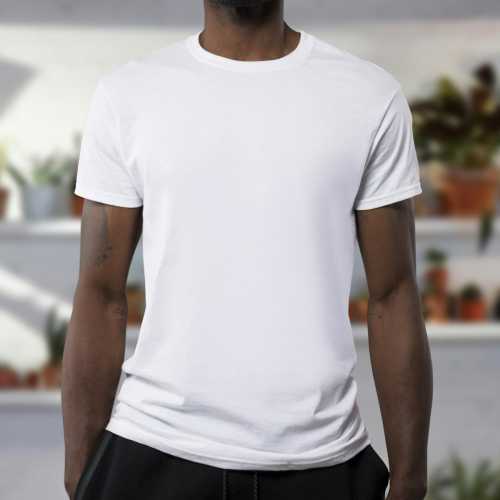
NEW YORK, NY — Ralph Lauren has redefined the intersection of American heritage and wearable technology with the launch of the 'Bio-Polo,' a revolutionary garment featuring integrated conductive polymer smart fabrics capable of continuous biometric health tracking. Unveiled on June 19, 2026, in a exclusive presentation at Wimbledon, where the brand has dressed the officiants and premium guests for decades, the Bio-Polo seamlessly embeds medical-grade sensors into the very fibers of the cotton blend, marking a new era in the $20 billion smart apparel market.
The Science: An ELI5 Breakdown of Conductive Polymers
To understand how a soft cotton polo shirt can act like a high-tech medical device, you need to understand "conductive polymers." Normally, plastics and polymers (the materials that make up most fabrics and plastics) are insulators; they do not let electricity flow through them. Think of a plastic coating on a copper wire; the copper carries the electricity, and the plastic stops it from shocking you. However, scientists have discovered a special class of plastics called "intrinsically conductive polymers" (ICPs), like PEDOT:PSS. Imagine a highway where the cars (electrons) are usually stuck in traffic and cannot move. By a process called "doping," scientists add special chemical impurities to the polymer that create "potholes" or empty spaces in the molecular structure. These empty spaces allow the electrons to hop from one molecule to the next, effectively turning the plastic into a wire. Ralph Lauren's material scientists have figured out how to spin these conductive polymers into microscopic threads that are then woven directly into the fabric of the Bio-Polo. These threads are completely flexible, stretchy, and feel exactly like normal cotton. But because they conduct electricity, they can be used to carry tiny electrical signals across the surface of the shirt, turning the entire garment into a giant, flexible sensor that can read the electrical and mechanical activity of the body underneath it.
Technical Breakdown: Piezoresistive Sensors and Electrocardiography
The technical architecture of the Bio-Polo relies on a combination of "piezoresistive" sensing and "textile electrocardiography" (ECG). The conductive threads are arranged in specific geometric patterns across the chest and torso. To measure heart rate and heart rhythm, the threads act as dry electrodes. The human heart beats because of tiny electrical impulses that travel through the body, causing the heart muscle to contract. These electrical signals eventually reach the surface of the skin. The conductive threads in the Bio-Polo pick up these micro-volt signals directly through the skin, transmitting them to a miniature, washable "pod" clipped discreetly to the hem. The pod's analog-to-digital converter processes the raw ECG signal, filtering out "motion artifacts" (the noise created when you walk or swing a tennis racket) using advanced digital signal processing algorithms. Simultaneously, the fabric measures respiratory rate using piezoresistive principles. Piezoresistive materials change their electrical resistance when they are physically stretched or compressed. As the wearer's chest expands and contracts during breathing, the conductive threads stretch, causing a measurable change in their electrical resistance. By monitoring this resistance change, the system calculates the exact volume and rate of respiration. The entire system is powered by a flexible, thin-film solid-state battery woven into the collar, which can be inductively charged simply by placing the polo on a proprietary hanger.
The Bio-Polo represents the invisible integration of technology into the fabric of our daily lives. We have eliminated the rigid plastics, the uncomfortable straps, and the fragile wires. By turning the cotton itself into a sensor network, we are providing clinical-grade biometric data wrapped in the timeless elegance of American luxury. It is the ultimate evolution of the polo shirt.
— Chief Technology Officer, Ralph Lauren
Economic Impact and the Smart Apparel Ecosystem
The launch of the Bio-Polo positions Ralph Lauren at the absolute apex of the smart apparel sector, a market projected to exceed $60 billion by 2030. Priced at $850, the Bio-Polo is positioned as a luxury wellness device rather than mere clothing. The economic model extends beyond the initial hardware sale; Ralph Lauren has introduced a subscription-based "Ralph Lauren Health" platform, where users can access deep-dive analytics, trend forecasting, and personalized wellness coaching based on their biometric data. This recurring revenue stream significantly increases the lifetime value of each customer. Furthermore, the data generated by thousands of users wearing the Bio-Polo in real-world conditions is invaluable for ongoing research and development, creating a proprietary dataset that competitors cannot replicate. The integration of this technology into the Wimbledon ecosystem provides unparalleled visibility, associating the brand with peak athletic performance and elite health. The success of the Bio-Polo is already forcing a rapid consolidation in the wearable tech space, as traditional smartwatch makers realize that the future of biometric tracking is not on the wrist, but integrated directly into the garments people already wear every day.
Future Outlook: Medical Diagnostics and Predictive Health
The implications of the Bio-Polo extend far beyond fitness tracking; they point toward a future of continuous, non-invasive medical diagnostics. Ralph Lauren is currently in discussions with the FDA to classify the Bio-Polo's ECG capabilities as a Class II medical device, which would allow it to detect atrial fibrillation, sleep apnea, and early signs of cardiovascular distress in a clinical setting. The ultimate vision is "predictive health," where the AI analyzing the biometric data can identify subtle anomalies in heart rate variability or respiratory patterns weeks before a patient experiences a physical symptom, allowing for preventative intervention. Additionally, the conductive polymer technology is being adapted for use in military and first-responder uniforms, where it can monitor the core temperature, hydration levels, and shock status of personnel in extreme environments. The Bio-Polo is not just a new product for Ralph Lauren; it is the foundation of a new category of "diagnostic couture," transforming the humble cotton shirt into a life-saving, data-generating powerhouse.
Follow the future of wearable tech on X (Twitter) and Instagram
Related Articles

The Valuation Paradox: How September 2026 Exposed the Structural Fragility of the Basketball Economy
Sep 18, 2026
The Algorithmic Decoupling of Fandom: How the 2026 Media Rights Realignment is Rewiring Basketball Economics
Sep 17, 2026
Comments (0)
No comments yet. Be the first to share your thoughts!
Want to join the discussion?
Please log in to post a comment.
Login NoworCreate an Account