
Ryan Reynolds and Blake Lively Champion 'Upcycled Hollywood' in Indigenous-Collaborative Archival Denim at TIFF Summer Gala

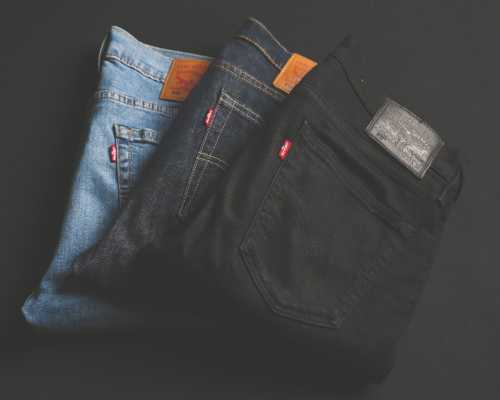
In a stunning display of localized luxury and circular fashion, Hollywood power couple Ryan Reynolds and Blake Lively arrived at the prestigious Toronto International Film Festival (TIFF) Summer Gala wearing entirely upcycled, archival denim ensembles that profoundly reimagined the iconic 'Canadian Tuxedo.' Far from a nostalgic gimmick, the couple's looks represented a highly technical, culturally respectful, and hyper-sustainable approach to celebrity red carpet dressing. By collaborating directly with Métis and Inuit master artisans, the garments were elevated through intricate, traditional beadwork and porcupine quillwork, seamlessly blending North American workwear history with high-end indigenous luxury. This deliberate stylistic choice has ignited a massive conversation within the global fashion industry about the ethics of cultural appreciation, the viability of upcycled textiles, and the power of hyper-local sourcing in an era of globalized fast fashion.
The Upcycled Canadian Tuxedo
Ryan Reynolds and Blake Lively redefined red carpet luxury at TIFF by wearing reconstructed, archival denim elevated with sustainable, intricate beadwork crafted by Indigenous Métis and Inuit artisans, championing a new era of circular, culturally respectful celebrity style.
The concept of the 'Canadian Tuxedo'—wearing a denim jacket with denim jeans—has long been a tongue-in-cheek staple of North American pop culture, famously championed by Bing Crosby and later elevated to high fashion by designers like Ralph Lauren. However, Reynolds and Lively, alongside their visionary styling team, sought to strip the concept of its irony and rebuild it as a serious, sustainable luxury proposition. The foundation of their ensembles was sourced not from contemporary, mass-market brands, but from a private archive of vintage, selvedge denim dating back to the 1960s and 70s, originally manufactured in historic Canadian textile mills that have since closed.
The Architecture of Reconstruction
The process of transforming these vintage, often fragile garments into red-carpet-ready haute couture required an extraordinary level of technical reconstruction. Reynolds' ensemble featured a heavily structured, double-breasted tuxedo jacket meticulously tailored from three separate pairs of archival Levi's and Roots denim. The master tailors employed complex patchwork and reinforcement techniques, utilizing organic, plant-dyed cotton threads to stabilize the vintage fabric without compromising its authentic, faded patina. The trousers were cut with a high waist and a wide, fluid leg, mimicking the drape of traditional worsted wool tuxedo trousers but retaining the rugged, tactile texture of the denim.
Blake Lively's look was equally breathtaking, featuring a sweeping, floor-length gown constructed entirely from deconstructed vintage denim skirts and jackets. The bodice was heavily corseted, utilizing upcycled steel boning salvaged from 19th-century antique garments, while the skirt featured a dramatic, asymmetrical train that pooled elegantly on the red carpet. The raw edges of the denim were intentionally left slightly frayed, creating a striking visual contrast between the formal silhouette of a ballgown and the utilitarian, workwear origins of the fabric.
"Denim is the great equalizer of North American fashion; it's in everyone's closet," noted the lead stylist for the couple. "But by taking archival, deadstock Canadian denim and treating it with the same reverence and technical precision as Parisian silk or Italian wool, we are challenging the industry's definition of what constitutes 'luxury'."
Indigenous Collaboration and Ethical Embellishment
The true masterstroke of the TIFF Gala looks, however, was the embellishment. Rather than relying on traditional European crystal beading or metallic embroidery, the styling team commissioned a collective of renowned Métis and Inuit artisans to adorn the garments using traditional, sustainable techniques. Reynolds' lapels were intricately detailed with floral beadwork, a hallmark of Métis artistry, using upcycled glass beads and ethically sourced porcupine quills dyed with natural, plant-based pigments. The beadwork was not merely decorative; it told a specific, localized story of the land and the waterways of the Great Lakes region.
Lively's gown featured a dramatic, sweeping cascade of quillwork and moose-hair tufting along the train, a technique that requires hundreds of hours of meticulous, hand-crafted labor. Crucially, this collaboration was structured as a direct, equitable partnership. The artisans were not treated as anonymous subcontractors; they were credited as co-designers on the red carpet, and they received a significant, upfront commission fee as well as a percentage of the syndication rights for the images of the garments, ensuring that the economic benefits of this high-profile exposure flowed directly back into their communities.
Navigating Cultural Appreciation vs. Appropriation
The integration of Indigenous artistry into mainstream celebrity fashion is a highly sensitive topic, fraught with the historical baggage of cultural appropriation. The fashion industry has a long, troubling history of lifting Indigenous motifs, patterns, and sacred symbols without permission, credit, or compensation, stripping them of their cultural context for the sake of a fleeting trend. The Reynolds-Lively TIFF looks are being widely praised by cultural critics and Indigenous fashion advocates precisely because they avoided these pitfalls.
A Model for Ethical Collaboration
By structuring the collaboration as an equitable partnership with direct financial compensation and public co-designer credit, the couple established a new gold standard for ethical cultural appreciation in the high-stakes world of celebrity red carpet styling.
The project was overseen by an Indigenous fashion consultant who ensured that the motifs used were appropriate for public display and that the artisans retained full intellectual property rights over their specific designs. This transparent, respectful approach has established a new gold standard for how Hollywood stylists should approach cross-cultural collaborations, proving that it is possible to celebrate and elevate traditional crafts without exploiting the communities that created them.
The Economics of Circular Celebrity Fashion
From an industry perspective, the massive global media attention generated by these upcycled looks is a huge victory for the circular fashion movement. The red carpet is traditionally a space of extreme waste, where custom, heavily embellished gowns costing hundreds of thousands of dollars are worn for precisely two hours before being packed away in climate-controlled archives, never to be seen again. By utilizing deadstock denim and upcycled materials, Reynolds and Lively demonstrated that the most talked-about looks of the season do not require the extraction of new, virgin resources.
Following the gala, the couple announced that both ensembles would be auctioned off, with one hundred percent of the proceeds benefiting Canadian environmental conservation charities and Indigenous arts education programs. This closed-loop approach—from archival sourcing to ethical creation to charitable liquidation—represents the absolute pinnacle of modern, conscious celebrity style. It forces the global fashion industry to reckon with its environmental impact and provides a highly visible, incredibly glamorous blueprint for how Hollywood can use its immense cultural influence to drive positive, systemic change.
The Bottom Line
Ryan Reynolds and Blake Lively's upcycled, Indigenous-collaborative denim ensembles at the TIFF Summer Gala redefine luxury for the modern era. By elevating archival Canadian workwear with ethical, traditional beadwork, the couple championed a powerful new model of circular, culturally respectful, and hyper-local celebrity style.
Discover more about sustainable red carpet fashion and the future of ethical celebrity style by following our official channels: @VancityReynolds and @blakelively.
Related Articles
The Vintage Sports Car in a Zero-Emission Zone: Luxury's Structural Reckoning in 2026
Sep 17, 2026
The Luxury Reckoning: How China's Slump and EU Mandates Are Forcing a Structural Reset in High-End Retail
Sep 16, 2026
Comments (0)
No comments yet. Be the first to share your thoughts!
Want to join the discussion?
Please log in to post a comment.
Login NoworCreate an Account