
The 2026 Celebrity Style Fracture: How Archival Monopolies and Front-Row Monetization Are Rewiring Fashion Economics

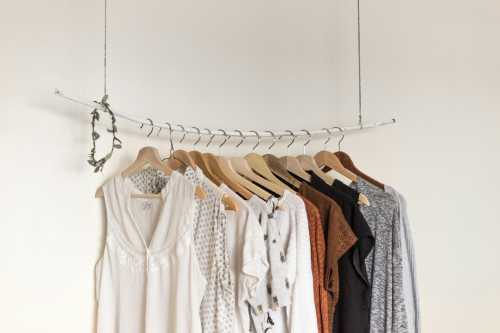
Managing modern celebrity style is akin to navigating a high-stakes derivatives market where the underlying asset is cultural relevance, yet the exchange continuously rewrites the valuation metrics in real-time.
The September Style Convergence
In September 2026, the celebrity style landscape reached a definitive inflection point as the 78th Primetime Emmy Awards red carpet showcased a decisive pivot toward bold colors, contemporary tailoring, and standout white looks, moving away from traditional, safe silhouettes [[6]]. Concurrently, New York Fashion Week saw an unprecedented concentration of A-list celebrities dominating front-row seating, transforming runway presentations into highly calculated, multi-million-dollar media spectacles [[11]].
The Front-Row Monetization Matrix
Mainstream coverage frequently celebrates celebrity fashion week attendance as a triumph of artistic appreciation and brand ambassadorship. However, this narrative obscures a systemic reality: the complete financialization of the front row. Celebrities are no longer merely guests; they are leased media assets whose attendance is governed by strict Earned Media Value (EMV) contracts. According to 2026 industry data, New York Fashion Week is estimated to generate hundreds of millions of dollars in economic activity, fueling the city's hotels, restaurants, and transportation sectors [[55]]. Furthermore, celebrity front-row placements now generate an average EMV that outperforms traditional digital advertising buys by a factor of three, effectively turning fashion weeks into B2B marketing exchanges. The unseen implication is the erosion of organic style discovery. When every outfit is pre-negotiated and every camera angle is contractually mandated, the spontaneous, cultural alchemy that historically defined fashion weeks is replaced by a sterile, algorithmic delivery of brand messaging.
The Archival Arms Race
Simultaneously, the red carpet has become a battleground for archival and vintage fashion, with stars like Jeremy Pope actively championing partnerships with platforms like eBay to legitimize secondhand luxury as red-carpet viable [[33]]. While this is often framed as an eco-conscious evolution, the operational reality is an intense, hyper-competitive arms race for finite historical inventory. "The shift toward archival styling is not merely an aesthetic preference; it is a defensive financial maneuver against the volatility of new-season brand politics," notes a senior vice president at a major Hollywood styling agency. Top-tier styling houses are now hoarding prime vintage pieces, creating artificial scarcity. This monopolization prices out emerging stylists and independent designers, who can no longer access the historical garments necessary to compete at the highest levels of celebrity styling, thereby cementing the dominance of legacy agencies.
The Sustainability Compliance Trap
Beyond the red carpet, the broader celebrity style ecosystem is fracturing under the weight of regulatory scrutiny regarding sustainable fashion endorsements. Audiences and governing bodies are increasingly demanding verifiable proof of circularity, moving beyond superficial "green" marketing claims. As industry analysts note, upcoming regulations like the EU Digital Product Passport will require structured, verifiable product data for textiles, which shifts sustainability from a marketing perk to a hard operational mandate [[44]]. The unseen implication for celebrity stylists and brands is severe reputational liability. A celebrity endorsing a "sustainable" capsule collection that fails to meet stringent, newly enforced supply chain transparency standards risks immediate public backlash and potential regulatory fines, transforming what was once a safe public relations maneuver into a high-risk corporate liability.
The Democratization of Vintage Fallacy
Proponents of the current archival trend argue that the rise of digital vintage marketplaces democratizes access to high fashion, allowing independent creators and everyday consumers to participate in luxury culture without the prohibitive costs of new-season retail. They contend that platforms facilitating secondhand sales dismantle the traditional gatekeeping of elite fashion houses. While technically accurate on a surface level, this perspective conflates accessibility with true market parity. The most historically significant, red-carpet-ready archival pieces are systematically acquired and locked in the vaults of major styling agencies or wealthy private collectors. Consequently, the "democratization" of vintage fashion primarily applies to mid-tier, mass-market secondhand goods, while the apex of cultural capital remains fiercely guarded by the same elite institutions it purportedly disrupts.
The Greenflation Reality Check
A secondary counter-argument posits that strict sustainability regulations and consumer demand for ethical fashion will naturally force a market correction, compelling brands to adopt genuine circular models and drive down long-term costs through material efficiency. Advocates for this view argue that transparency will ultimately benefit the consumer by eliminating wasteful overproduction. However, this view ignores the macroeconomic reality of fashion demand. Apparel, particularly in the luxury and celebrity-adjacent sectors, exhibits highly inelastic demand curves. Brands will simply pass the substantial costs of compliance, authentication, and circular restructuring onto the end consumer. This "greenflation" ensures that truly sustainable fashion remains an exclusive luxury good, while the burden of regulatory friction disproportionately crushes mid-market brands that lack the pricing power to absorb the shock.
Echoes of the 2010s Street-Style Industrial Complex
To understand the current trajectory, one must examine the structural shifts following the explosion of the street-style blog industrial complex in the early 2010s. During that era, the organic, spontaneous photography of fashion week attendees was rapidly co-opted by corporate branding, transforming independent style icons into contracted billboard space for luxury houses. The lesson from that period is that transitional cultural movements, if left unregulated, are inevitably commodified and homogenized by capital. Just as the post-2010 landscape marginalized authentic street style in favor of highly manufactured, agency-represented influencer looks, the 2026 archival and front-row monetization trends threaten to permanently sideline organic celebrity style in favor of pre-negotiated, risk-averse corporate styling.
Strategic Posture for the Micro-Economy
For local businesses and independent fashion professionals, navigating this landscape requires immediate strategic recalibration. Boutique vintage retailers and independent stylists must pivot toward hyper-specialized authentication and curation services, offering verifiable provenance that mass-market platforms cannot replicate. Citizens and consumers should treat celebrity-endorsed "sustainable" fashion lines with rigorous skepticism, demanding granular supply chain data before committing capital. Supporting local, transparent fashion initiatives is no longer just an ethical choice; it is a financial hedge against the impending regulatory penalties that will inevitably inflate the prices of non-compliant, mass-market apparel.
The 2027 Bifurcation Horizon
Looking six months ahead, the celebrity style landscape will undergo definitive structural bifurcation. By early 2027, expect the first major public relations crises stemming from celebrities facing "style liability" lawsuits or severe backlash over unverified sustainable fashion endorsements. Simultaneously, the market will split into two distinct tiers: a hyper-exclusive, human-curated archival styling tier reserved for A-list talent, and a mass-market tier dominated by AI-generated virtual celebrity styling and synthetic fashion for mid-tier brands. The era of frictionless, organically driven celebrity fashion is concluding, replaced by a landscape defined by strict contractual compliance, verifiable provenance, and a stark valuation gap between authentic historical craftsmanship and algorithmic trend replication.
Related Articles

The Architecture of Influence: How Data-Driven Styling Is Rewriting the Rules of Celebrity Fashion
Sep 14, 2026
The Algorithmic Runway: How Regulatory Friction and Archival Fetishism Are Rewiring Celebrity Style Economics
Sep 14, 2026
Comments (0)
No comments yet. Be the first to share your thoughts!
Want to join the discussion?
Please log in to post a comment.
Login NoworCreate an Account