
The Algorithmic Extraction of Cultural Capital: A Structural Realignment of the Trending Economy

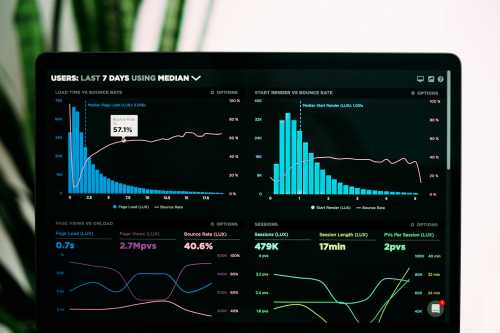
The modern cultural economy operates less like a meritocratic stage and more like a high-frequency algorithmic trading floor, where attention is commoditized, and value is extracted through synthetic leverage rather than organic audience connection.
The Convergence of Systemic Disruption
The current trending landscape is defined by a simultaneous collision of five structural shifts: the proliferation of AI deepfake celebrity endorsement scams, the viral "de-influencing" consumer backlash, the aggressive integration of sports betting into mainstream broadcasting, and the systemic monopolization of live event ticketing. This convergence signals a definitive breaking point, transitioning the cultural economy from a phase of unchecked digital expansion to one of severe regulatory friction and market correction.
The Synthetic Trust Deficit in Digital Endorsements
Mainstream discourse often treats AI-generated celebrity deepfakes as isolated technological novelties or fringe scams. However, the unseen implication is a systemic erosion of baseline commercial trust. As cheap tools make it increasingly difficult to detect synthetic media, state legislatures are scrambling to play catch-up, with jurisdictions like Missouri only recently filing bills in 2026 to regulate AI deepfakes [[4]]. When consumers can no longer distinguish between a genuine celebrity endorsement and a fabricated digital puppet, the foundational premise of influencer marketing collapses. This forces brands to incur massive verification costs and exposes them to severe reputational liability, fundamentally altering the risk calculus of digital sponsorship.
The Pragmatic Necessity of Synthetic Media Governance
Critics frequently argue that aggressive legislative intervention into AI-generated content will stifle legitimate creative innovation and hinder the development of personalized, scalable marketing tools. While this concern is valid in a vacuum, it overlooks the macroeconomic reality of digital commerce. Unregulated synthetic media inherently destroys the provenance required for any transaction to occur. Therefore, establishing strict watermarking and liability frameworks is not an impediment to innovation; rather, it is a pragmatic prerequisite for sustainable technological adoption, ensuring that the market does not collapse under the weight of its own fraudulent output.
The Creator Economy’s Correction: The De-Influencing Paradigm
Simultaneously, the creator economy is undergoing a painful valuation correction driven by the "de-influencing" movement. This is not a fleeting social media trend, but a structural rejection of hyper-consumerism. Primary research indicates that de-influencing content on social media significantly affects the decline in Gen Z's interest in purchasing overhyped technology and beauty products [[15]]. Brands that previously relied on inflated creator metrics to justify massive marketing budgets are now facing a skeptical audience that actively penalizes inauthentic promotion. This shifts leverage back to the consumer, forcing a transition from vanity metrics to verifiable, long-term brand affinity.
The Monopoly Tax on Live Cultural Consumption
In the physical realm, the live events sector is suffocating under monopolistic pressure. A federal jury recently concluded that Ticketmaster held an unlawful monopoly over live event ticketing, while Live Nation monopolized the market for large-scale touring [[30]]. The unseen implication of this dynamic pricing architecture is the systematic eradication of the mid-tier artist. According to industry data from AndR Music, touring costs have risen dramatically, forcing even established mid-level performers to spend less time on the road and cancel tours entirely [[39]]. The monopoly does not just extract rent from fans; it actively starves the developmental pipeline of live music, consolidating cultural visibility exclusively among a handful of mega-stars who can absorb the inflated overhead.
The Free-Market Fallacy of Dynamic Pricing
Proponents of dynamic pricing frequently defend the practice as a pure, efficient free-market mechanism that ensures artists capture the true market value of their tickets, thereby preventing secondary-market scalpers from capturing the surplus. However, this argument is fundamentally one-sided. It ignores the fact that the primary market is artificially constrained by exclusive, anti-competitive venue contracts. When a single entity controls both the venue and the ticketing platform, the resulting price escalation is not a reflection of organic supply and demand, but rather the exercise of monopsony power. This rigged architecture extracts wealth from both the consumer and the artist, masquerading exploitation as market efficiency.
Echoes of the 1996 Telecommunications Consolidation
To understand the trajectory of this cultural consolidation, one must examine the Telecommunications Act of 1996. That legislation dismantled national ownership caps on radio stations, promising increased efficiency and localized programming. Instead, it triggered massive corporate consolidation, homogenizing content, marginalizing independent voices, and prioritizing syndicated, low-risk programming over local artistry. The current consolidation of live event promotion and digital attention distribution is following an identical trajectory. Without aggressive antitrust enforcement, the trending landscape will devolve into a sterile, algorithmically optimized monoculture, where only the most heavily capitalized entities can afford to participate.
Strategic Imperatives for Market Participants
Local businesses and independent creators must immediately decouple their revenue models from monopolistic ticketing platforms and volatile, algorithm-driven social media networks. Prioritize direct-to-consumer relationships, leveraging owned audiences and transparent, community-driven commerce. For citizens and consumers, the imperative is rigorous digital skepticism: treat viral celebrity endorsements with forensic scrutiny, demand legislative action on live event pricing transparency, and actively support independent, mid-tier artists through direct merchandise and ticket purchases to sustain the cultural ecosystem.
The Six-Month Horizon: Regulatory Friction and Market Contraction
Within the next six months, the trending economy will face a definitive regulatory correction. Expect federal authorities to finalize stringent guidelines targeting dynamic pricing transparency, triggering immediate operational friction for major live event promoters. Concurrently, the creator economy will witness a wave of contract renegotiations, as brands aggressively pivot away from macro-influencers toward micro-communities with verified, high-trust engagement metrics. The overarching landscape will shift from a growth-at-all-costs digital gold rush to a highly regulated, trust-based ecosystem where authenticity and antitrust compliance dictate market survival.
Related Articles
The Algorithmic Illusion: How Viral Culture, Creator Vulnerability, and Regulatory Pushback Are Reshaping Digital Media
Sep 13, 2026
How a Viral AI Fashion Trend Is Reshaping Retail, Culture, and Identity
Sep 11, 2026
Comments (0)
No comments yet. Be the first to share your thoughts!
Want to join the discussion?
Please log in to post a comment.
Login NoworCreate an Account