
The Algorithmic Tollbooth: How Streaming's Profitability Pivot is Rewiring Media Consumption

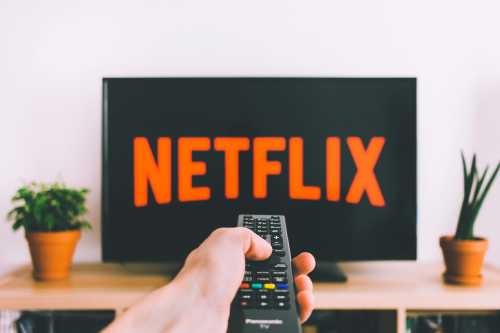
Consider the evolution of the urban toll road system. Initially, municipalities built highways to encourage unrestricted movement, subsidizing access to stimulate broader economic growth. But as infrastructure decayed and demand outpaced capacity, the model shifted to dynamic, algorithmic tolling, effectively pricing out casual users while extracting maximum yield from essential commuters. The global streaming ecosystem is currently executing an identical, albeit digitized, pivot.
The Terminal Inflection Point
The 2026 streaming landscape is defined by the aggressive monetization of legacy subscriber behaviors, exemplified by expanded password-sharing crackdowns across platforms like Max and Disney+, coupled with a massive $14.2 billion expenditure on exclusive sports rights by direct-to-consumer platforms www.sportspro.com . Concurrently, major legacy studios have finally achieved or approached streaming profitability by enforcing price increases and expanding ad-supported tiers, fundamentally abandoning the subscriber-growth-at-all-costs mandate ibinterviewquestions.com .
The FAST Channel Substitution Effect
Mainstream coverage frequently celebrates the newfound profitability of premium Subscription Video on Demand (SVOD) platforms, yet it systematically ignores the massive capital and viewership flight toward Free Ad-Supported Streaming Television (FAST). Primary research indicates that the FAST market is projected to grow from $13.6 billion in 2026 to $40.2 billion by 2033, at a compound annual growth rate of 16.8% www.grandviewresearch.com . This data reveals a critical, unseen implication: as premium platforms erect aggressive paywalls, a vast demographic is migrating to algorithmic, linear-style channels that replicate the legacy cable experience without the subscription friction, permanently altering the advertising revenue baseline.
The Sports Rights Fragmentation Tax
The migration of live sports to exclusive streaming silos is actively fracturing the live-viewing ecosystem. With entities like Apple TV securing exclusive U.S. Formula 1 rights and DAZN absorbing regional sports networks such as YES and MSG, the cost of comprehensive sports access has become prohibitive investor.sphereentertainmentco.com , www.facebook.com . This forces consumers to maintain multiple, high-cost subscriptions solely to follow their preferred teams, transforming sports from a unifying cultural utility into a fragmented, luxury-tier commodity that accelerates household subscription fatigue.
The Efficiency Dividend of Consolidation
Critics who view this aggressive monetization and market consolidation as purely predatory overlook the mathematical necessity of the profitability pivot. As industry analysts note, "Every major platform, including Disney+, Max, and Paramount+, achieved or approached streaming profitability in 2025 through price increases, ad tiers, and cost discipline" ibinterviewquestions.com . Without this structural reset, the entire direct-to-consumer model would have collapsed under the weight of unsustainable content amortization and negative free cash flow, ultimately harming the industry's long-term capacity to produce high-quality programming.
Echoes of the 1980s Cable Bundle Genesis
Financial and media history offers a stark, predictive parallel. The 1980s genesis of the cable television bundle followed an identical trajectory. Initially, premium channels operated as standalone, à la carte services. However, as infrastructure costs mounted, operators bundled channels to subsidize niche programming, eventually leading to the bloated, expensive cable packages of the 2010s that consumers actively rebelled against. Today’s streaming platforms are merely reconstructing the very cable bundle they promised to destroy, utilizing sports rights and password enforcement as the new leverage to force aggregate household spending back to pre-cord-cutting levels.
The Password Monetization Mirage
The industry's crackdown on credential sharing is frequently framed as a necessary correction to revenue leakage. However, this aggressive enforcement accelerates subscriber churn among price-sensitive demographics. Recent data shows that ad-supported streaming platforms grew over 40% year-over-year, representing a massive shift in viewer behavior as consumers actively flee premium paywalls www.linkedin.com . This pushback neutralizes short-term revenue gains with long-term audience erosion, driving users directly into the arms of FAST competitors and unmonetized piracy networks.
The Myth of Consumer Exploitation
A prevailing counter-narrative suggests that the proliferation of ad-supported tiers and password crackdowns represents a blatant exploitation of the consumer, degrading the user experience. This perspective, however, ignores the fundamental economics of content creation. High-budget prestige television and live sports require massive capital infusion. By introducing lower-cost, ad-supported alternatives, platforms are actually democratizing access to premium content for price-sensitive households, effectively cross-subsidizing the viewing experience through advertiser revenue rather than excluding lower-income demographics entirely.
Strategic Directives for Market Participants
Local businesses, regional sports franchises, and consumers must immediately pivot their operational strategies to navigate this bifurcated landscape. First, advertisers should reallocate a significant portion of their digital video budgets toward emerging FAST channels, capitalizing on the surging viewership as consumers flee premium paywalls. Second, consumers must conduct rigorous audits of their monthly recurring entertainment expenses, consolidating subscriptions and leveraging annual billing cycles to mitigate the compounding impact of platform price hikes. Finally, independent content creators should bypass traditional SVOD gatekeepers entirely, building direct-to-consumer community models that retain full revenue and audience data ownership.
The 180-Day Trajectory
Within the next six months, the streaming landscape will experience a forced, distress-driven consolidation, with at least one mid-tier platform being acquired or shuttered as the cost of content acquisition outpaces their ability to raise prices without triggering catastrophic churn. Simultaneously, we will see the formal introduction of dynamic pricing for live sports streaming events, mirroring the airline and ride-sharing industries. The ecosystem will bifurcate entirely: a highly curated, expensive, ad-free tier for the affluent, and a heavily monetized, algorithmically driven FAST environment for the broader market, with the middle ground of affordable, comprehensive SVOD access permanently erased.
Related Articles
The 2026 Streaming Fracture: How Sports Rights, Data Extraction, and Re-bundling Are Rewiring the Media Economy
Sep 15, 2026
The Streaming Reckoning: Consolidation, Churn, and the Illusion of Consumer Choice
Sep 14, 2026
Comments (0)
No comments yet. Be the first to share your thoughts!
Want to join the discussion?
Please log in to post a comment.
Login NoworCreate an Account