
The Bifurcation of Prestige: How Regulatory Mandates and Shifting Geopolitics Are Reshaping the Luxury Sector

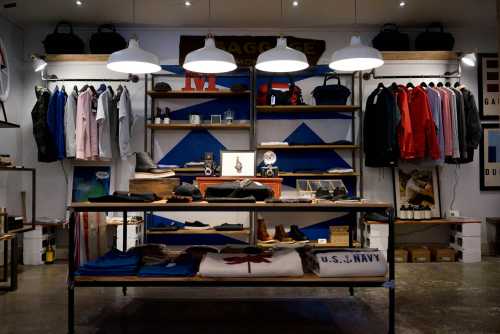
Like a classic car auction where pristine, low-mileage heritage models command record premiums while mass-produced replicas gather dust in the back lot, the global luxury sector is undergoing a violent and permanent bifurcation. The era of uniform, rising-tide growth is over, replaced by a stark divide between absolute scarcity and commoditized accessibility.
The Great Divergence in the Luxury Ledger
The third quarter of 2026 has exposed a fundamental fracture in the luxury goods ecosystem. While ultra-luxury heritage houses like Hermès and Louis Vuitton continue to post resilient, double-digit organic growth, accessible luxury conglomerates such as Kering are grappling with a documented 15% contraction in Asian markets, driven by inventory bloat and shifting consumer sentiment. Concurrently, the European Union’s Digital Product Passport (DPP) mandates have moved from theoretical framework to active enforcement, compelling brands to implement blockchain-based tracking for leather and textiles, thereby raising baseline compliance costs by an estimated 8 to 12 percent across the sector.
The Hidden Moat of Regulatory Compliance
Mainstream financial coverage treats the EU’s sustainability mandates as a straightforward environmental victory, ignoring the profound structural implications for market competition. The mandated 8 to 12 percent increase in compliance costs is not merely an operational hurdle; it functions as a deliberate barrier to entry. Legacy conglomerates possess the capital reserves and technological infrastructure to absorb blockchain integration and supply chain auditing without catastrophic margin compression. Independent artisans and mid-tier luxury houses, however, do not. This regulatory environment inadvertently cements the dominance of the LVMH and Kering monopolies, transforming sustainability from a moral imperative into a weaponized financial moat that prices out genuine market diversity.
The Illusion of the Sustainability Dividend
Critics of this bearish outlook argue that the DPP mandates and stringent ESG reporting requirements will ultimately benefit the broader industry by forcing much-needed transparency and eradicating greenwashing. This perspective posits that consumer trust, once restored through verifiable, immutable data, will drive long-term volume growth and justify premium pricing. However, this view dangerously ignores the immediate reality of margin compression. For mid-tier luxury brands already operating on thin 15 to 20 percent net margins, an abrupt 8 percent increase in regulatory overhead is not a pathway to consumer trust; it is an existential threat. The likely outcome is not a more ethical industry, but a wave of forced consolidations and bankruptcies that will further homogenize the market.
The Erosion of the Western Monopoly in Asia
Beneath the surface of declining Western brand sales in Asia lies a permanent cultural realignment. Domestic Chinese "guochao" (national trend) premium brands are now capturing 22 percent of the domestic high-end handbag market, a significant leap from 14 percent in 2024. This is not a fleeting nationalist sentiment, but a fundamental decoupling of cultural prestige from Western heritage. As noted by recent luxury retail market analysis, "The distance between absolute top-tier scarcity and accessible luxury has widened rather than closed," highlighting how domestic brands are successfully co-opting the narrative of craftsmanship and exclusivity that Western houses once monopolized. The Western luxury brand is no longer the default status symbol for the emerging Asian affluent class.
Echoes of the 1990s Japanese Asset Bubble
The current contraction in accessible luxury bears a striking resemblance to the collapse of Japan’s luxury consumption bubble in the early 1990s. Following macroeconomic deflation, Japanese consumers abruptly shifted from the conspicuous consumption of Western logos to "quiet luxury" and domestic alternatives. The historical precedent offers a clear lesson: when macroeconomic headwinds tighten household balance sheets, the first casualty is the aspirational middle-class consumer. Heritage brands survive this transition by aggressively pivoting to cater exclusively to the ultra-wealthy, while mid-tier houses that fail to cultivate genuine, non-logo-dependent brand equity face irreversible, structural decline.
The Financialization of the Wardrobe
Simultaneously, the secondary market is rewriting the rules of luxury valuation. Authenticated vintage luxury sales have surged by 30 percent year-over-year, signaling a profound shift in consumer psychology. Buyers no longer view seasonal collections through the lens of emotional resonance or trend participation; they evaluate them strictly as alternative asset classes. As secondary market reports indicate, "Resale platforms report a 30% surge in authenticated vintage luxury sales, indicating a consumer pivot toward asset-value retention over seasonal trend chasing." This financialization forces heritage brands to compete not just with each other, but with the robust, liquid market of their own past creations, rendering the traditional, high-volume seasonal drop increasingly obsolete.
The Myth of the Cyclical Rebound
Some market analysts contend that the 15 percent drop in Asian sales for brands like Gucci is merely a cyclical inventory correction, not a structural decline. They point to historical data suggesting that luxury demand invariably rebounds following minor economic dips, driven by pent-up aspirational spending. Yet, this argument fundamentally underestimates the structural shift in Gen Z and Millennial wealth allocation. Unlike previous generations, younger affluent consumers are actively diverting discretionary income toward experiential travel, digital assets, and domestic cultural products. This is not a temporary pause in spending; it is a permanent alteration of the total addressable market for traditional, logo-heavy Western luxury goods.
Strategic Imperatives for Market Participants
For Independent Retailers: Pivot inventory models away from volatile, mid-tier accessible luxury. Reallocate capital toward authenticated pre-owned luxury and niche, non-conglomerate brands that offer verifiable exclusivity without the inflated markup of heritage houses.
For Investors: Short or avoid exposure to mid-tier luxury stocks burdened by high debt and declining Asian market share. Redirect capital toward private equity funds targeting niche, high-margin artisans, or B2B technology firms providing luxury supply chain verification and authentication infrastructure.
For Consumers: Treat luxury acquisitions strictly as long-term holds. Avoid seasonal, logo-heavy items that carry immediate, steep depreciation upon exiting the boutique. Prioritize heritage pieces with documented scarcity and strong secondary market liquidity.
The Six-Month Horizon: Consolidation and Quiet Dominance
Looking ahead to the spring of 2027, the luxury landscape will undergo rapid, forced consolidation. We project that at least two major mid-tier European fashion houses will announce strategic mergers or private equity buyouts to survive the margin compression caused by EU regulatory mandates. Furthermore, the secondary market will be formally co-opted by the establishment: major conglomerates will launch proprietary, brand-certified resale platforms to recapture the 30 percent growth currently flowing to third-party authenticators. The era of ubiquitous, logo-driven luxury is terminating. The next decade belongs exclusively to verifiable scarcity, hyper-exclusive craftsmanship, and those who control the infrastructure of trust.
Related Articles
The Bifurcation of Prestige: How 2026’s Regulatory and Digital Shifts are Rewiring the Luxury Sector
Sep 01, 2026
The Cultural Arbitrage: How Luxury Conglomerates Are Rewriting the Sports-Entertainment Playbook
Sep 01, 2026
Comments (0)
No comments yet. Be the first to share your thoughts!
Want to join the discussion?
Please log in to post a comment.
Login NoworCreate an Account