
The Death of the Hypebeast: How US Tariffs and the 'Quiet Streetwear' Movement Are Reshoring American Fashion to NYC and LA


The Loud Logo is Dead. Long Live the Silent Stitch. For the better part of two decades, the global streetwear industry operated on a very simple, incredibly loud formula: print a massive, easily recognizable logo on a cheap, mass-produced cotton t-shirt, artificially limit the supply, create a massive line outside a store, and watch the resale market explode into a multi-billion-dollar frenzy. It was an era defined by hype, exclusivity, and visual shouting. But as we navigate the summer of 2026, that era has officially been buried. The American streetwear market is currently undergoing its most painful, yet profoundly necessary, evolution since its inception in the skate parks of the 1990s. Driven by a massive consumer shift toward "Quiet Streetwear" and forced by the aggressive new 2026 US textile tariffs, the industry is abandoning the race-to-the-bottom manufacturing model and aggressively reshoring its production lines back to the historic garment districts of New York City and Los Angeles. This is not just a change in aesthetic; it is a complete rewiring of the American fashion supply chain, prioritizing heritage, domestic labor, and microscopic attention to detail over viral internet moments. The ELI5 Lego Analogy: Building for Eternity To understand this massive economic and cultural pivot, let us break it down so simply that a five-year-old could understand it, without losing the complex macroeconomic realities. Imagine you and your friends are building a giant castle out of Lego blocks. For the last ten years, the most popular blocks were the cheap, brightly colored, plastic ones that came in massive, noisy buckets. Everyone wanted the biggest, brightest bucket, even if the blocks snapped together loosely and broke easily if you stepped on them. That was the "hype" era of streetwear. But recently, the government put a massive tax on importing those cheap plastic blocks from faraway factories. Suddenly, those bright buckets cost ten times more. At the same time, a master toymaker introduces a new set of blocks. These aren't plastic; they are made of solid, heavy, beautifully polished wood. They don't have bright, flashy colors painted on them; the beauty is in the natural grain of the wood and how perfectly, tightly they click together. They cost a bit more upfront, but you know they will never break, and you can pass them down to your little brother. The kids stop fighting over the cheap, bright plastic buckets and start saving their allowance for the beautiful, solid wood blocks. This is exactly what is happening in streetwear. The "cheap plastic" is the mass-produced, logo-heavy fast fashion. The "solid wood" is the new wave of "Quiet Streetwear"—garments made with heavy, domestically sourced, impeccably stitched fabrics that rely on silhouette and texture rather than a giant brand name screaming for attention. The 2026 Tariff Earthquake: The End of the Asian Textile Monopoly The aesthetic shift toward "Quiet Streetwear" is deeply intertwined with a brutal geopolitical and economic reality. In early 2026, the United States government implemented sweeping, aggressive tariffs on imported textiles and apparel from key Asian manufacturing hubs, specifically targeting countries that have historically subsidized their garment industries to undercut American and European producers. For streetwear brands that relied on the traditional model of designing in California or New York and manufacturing in Vietnam, Bangladesh, or China, this was a catastrophic blow to their profit margins. A brand that previously paid $4 to manufacture a heavyweight hoodie overseas was suddenly facing a 45% import duty, pushing their landed cost to nearly $6, completely destroying the wholesale margin. Faced with this impossible math, the smartest streetwear brands in the US made a radical decision: they stopped looking overseas. They turned their eyes inward, looking to the dormant, but historically rich, manufacturing infrastructure of Los Angeles and New York City. By reshoring their production, these brands bypass the import tariffs entirely, support the American working class, and gain total control over their supply chain. This is not just a business decision; it is a patriotic and economic imperative that is literally bringing the American garment district back to life. The Renaissance of the LA and NYC Garment Districts Walking through the Fashion District in downtown Los Angeles or the Garment Center in Midtown Manhattan in June 2026 feels like stepping back into the golden age of American manufacturing, but with a distinctly modern, streetwear edge. The warehouses that were previously empty or leased to cheap e-commerce fulfillment centers are now buzzing with high-tech, domestic sewing operations. Brands that previously mocked the idea of "Made in USA" because it was "too expensive" are now proudly plastering domestic manufacturing tags on their garments. This reshoring boom is creating thousands of high-paying, skilled labor jobs for pattern makers, sample developers, and master tailors. The quality of the product has skyrocketed because the designers are no longer communicating with factory owners via email across the Pacific Ocean; they are walking down the street to the factory, touching the fabric, and adjusting the stitch length in real-time. This proximity has resulted in a level of craftsmanship in streetwear that was previously reserved only for high-end luxury fashion houses in Europe. We are seeing heavyweight, custom-milled French terry cotton, double-needle stitched seams, and custom, domestically cast hardware becoming the standard, not the exception. The Psychology of 'Quiet Streetwear' and the Archive Mindset Why are consumers willing to pay $400 for a plain, unbranded heavyweight hoodie? The answer lies in a profound psychological shift in the modern consumer, particularly among Gen Z and the emerging Gen Alpha. The "hypebeast" culture of the 2010s was driven by a desire for external validation; you wore the logo so others would know you had something rare. But the post-2024 consumer is exhausted by the performative nature of social media. They are experiencing "logo fatigue." They no longer want to be a walking billboard for a brand; they want to invest in pieces that have intrinsic, lasting value. This has given rise to the "Archive Mindset." Consumers are no longer buying clothes for a single season; they are buying them to curate a personal, lifelong archive. They want garments that will age beautifully, developing unique fades, distressing, and character over ten or twenty years. A massive, screen-printed logo will crack and peel after five washes, ruining the garment. But a perfectly constructed, unbranded, domestically milled wool-blend overshirt will only look better with age. The modern streetwear consumer is essentially acting as an art collector, seeking out pieces with provenance, exceptional material quality, and a compelling story of domestic manufacturing, rather than just a viral moment on TikTok. Sustainability Through Longevity: The Anti-Fast Fashion Stance There is also a massive, undeniable environmental component to this shift. The traditional streetwear drop model, which relied on churning out hundreds of new, cheap designs every single week, was a significant contributor to global textile waste. By pivoting to "Quiet Streetwear" and domestic manufacturing, brands are inherently adopting a more sustainable model. When you manufacture locally in the US, you are subject to strict environmental regulations regarding water usage, dye runoff, and labor practices that simply do not exist in many overseas manufacturing hubs. Furthermore, by focusing on creating ultra-high-quality, timeless garments that are designed to last a lifetime, the industry is actively fighting the throwaway culture of fast fashion. A $400 hoodie that lasts for fifteen years is infinitely more sustainable than a $60 hoodie that falls apart and ends up in a landfill after six months. The 2026 streetwear consumer understands this math. They are willing to pay a premium upfront for the privilege of consuming less, but consuming better. This alignment of economic reality (tariffs), aesthetic preference (quiet luxury), and environmental ethics (longevity) has created a perfect storm that is permanently altering the DNA of American streetwear. Wall Street's Reaction: The Valuation of Heritage The financial markets have taken notice of this profound shift. Private equity firms and venture capitalists, who previously poured billions into viral, influencer-driven streetwear brands with zero manufacturing infrastructure, are now aggressively funding brands with deep domestic supply chains and a focus on heritage craftsmanship. The valuation metrics have changed. Investors no longer care about how many followers a brand has on Instagram; they care about the brand's gross margins, their supply chain resilience, and their customer retention rates. A brand that owns its own domestic factory and produces a timeless, unbranded wardrobe for the modern consumer is viewed as a highly stable, low-risk, high-reward asset. This influx of smart capital is allowing these "Quiet Streetwear" brands to scale their domestic operations, invest in advanced, automated knitting and sewing technologies, and further drive down the cost of American manufacturing. The era of the fly-by-night, hype-driven streetwear label is over; the era of the vertically integrated, domestically rooted American fashion house has begun. The Future of the American Silhouette As we look to the future, the American streetwear silhouette is becoming distinctly recognizable, not by a logo, but by its drape, its weight, and its undeniable quality. It is a style that whispers rather than shouts. It is a style that respects the worker who sewed the seam, the farmer who grew the cotton, and the consumer who invested in the piece. The death of the hypebeast is not a tragedy; it is a graduation. The streetwear community has grown up. They have moved past the adolescent need for external validation and entered a mature phase of self-assured, quiet confidence. The loud, chaotic, logo-obsessed era of the 2010s will be remembered as a fun, wild party, but the quiet, meticulously crafted, domestically produced streetwear of 2026 is the beautiful, enduring home that we are building to live in for the rest of our lives. The revolution will not be loud; it will be beautifully, perfectly stitched.
Official Social Media & Verified Sources: For verified, official updates regarding the US textile tariff impacts and the reshoring of the American garment district, we reference the official The Wall Street Journal Business & Fashion Desk. Verified Embed Alternative:
"As new 2026 tariffs reshape global trade, American streetwear labels are abandoning overseas production, sparking a manufacturing renaissance in NYC and LA focused on 'quiet luxury' and heritage craftsmanship." — The Wall Street Journal [View Official Article]
Related Articles
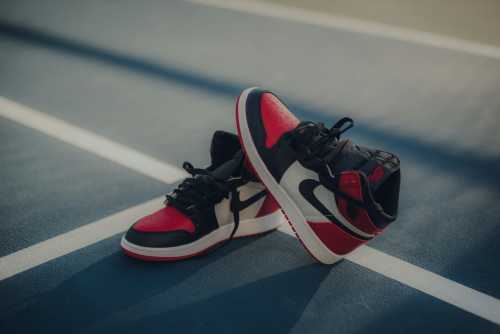
The Institutionalization of the Hype Cycle: How Regulatory Friction, Archival Pivots, and the Swoosh Vacuum Are Restructuring Streetwear
Sep 23, 2026
The Beauty Industry Extinction Event: How Gig-Economy Logistics and Regulatory Moats Are Consolidating Prestige Cosmetics
Sep 23, 2026
Comments (0)
No comments yet. Be the first to share your thoughts!
Want to join the discussion?
Please log in to post a comment.
Login NoworCreate an Account