
The Tomato Intervention: Can Daily Consumption Reverse Liver Fat in MASLD Patients?

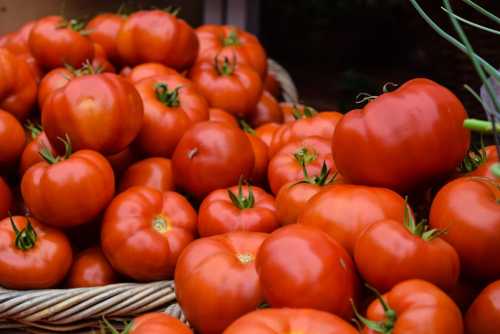
BOSTON — The Mediterranean diet has long been herald as a dietary panacea for cardiovascular and metabolic ailments, but a compelling new exploratory randomized controlled trial suggests that one of its most ubiquitous staples may hold a unique, targeted benefit for the liver. According to research published on August 9, 2026, daily consumption of tomatoes may significantly reduce hepatic fat accumulation in patients suffering from metabolic dysfunction-associated liver disease (MASLD).
MASLD—formerly known as non-alcoholic fatty liver disease—represents a burgeoning global health crisis, intricately linked to the rising tides of obesity and type 2 diabetes. The condition is characterized by hepatic steatosis, which, if left unchecked, can cascade into severe inflammation and irreversible scarring. While pharmaceutical interventions remain in the pipeline, researchers have increasingly turned their focus toward accessible, whole-food dietary modifications.
The POMOSANO Trial: A Tomato-Powered Intervention
In the recently concluded POMOSANO study, a cohort of 79 adult participants diagnosed with MASLD was divided into two distinct groups for a rigorous six-week period. The control group adhered to a strict tomato-free diet, while the intervention arm was prescribed a daily regimen of 200 grams of raw tomatoes alongside 50 grams of tomato sauce. Crucially, researchers instructed all participants to maintain their baseline lifestyles and physical activity levels, isolating the tomato consumption as the sole independent variable.
At the conclusion of the trial, imaging assessments revealed a fascinating divergence. While hepatic steatosis naturally declined in both groups—a likely artifact of the Hawthorne effect or general dietary awareness—the reduction was markedly more pronounced in the tomato-consuming cohort. The authors posited that this daily intake effectively mitigated fat accumulation independently of major fluctuations in body weight, total adiposity, or abdominal circumference.
Clinical Realities and Expert Skepticism
Despite the promising imaging data, the medical community remains cautiously reserved, emphasizing that the study was explicitly hypothesis-generating rather than definitively practice-changing.
The Caveats: The trial's brevity (six weeks) precludes any long-term prognostic value. Furthermore, the study excluded participants with a body mass index (BMI) over 30, deliberately omitting the very demographic that most frequently presents with advanced MASLD in clinical settings.
Dr. Randa Abdelmasih, an endocrinologist and obesity specialist at the University of Texas Medical Branch, noted that while the imaging findings are intellectually stimulating, the trial showed "no significant improvements in liver stiffness, fibrosis scores, liver enzymes, insulin resistance, inflammatory markers, lipid profile, or body composition."
"Therefore, while the imaging findings are interesting, we cannot conclude that tomato consumption meaningfully alters disease progression or improves clinically relevant outcomes," Abdelmasih told Medical News Today.
Dr. Jonathan Jennings, a board-certified internist with Medical Offices of Manhattan, echoed these sentiments, highlighting the study's broad inclusion criteria. "Type 2 diabetes is more likely to lead to MASLD than high blood pressure, but the study evaluates them as equal risk factors," he pointed out, suggesting that future research must stratify patients by the severity of their underlying metabolic dysfunction.
The Road Ahead for Hepatic Nutrition
The exact biological mechanism driving this localized fat reduction remains shrouded in mystery. The researchers notably failed to measure circulating levels of lycopene and other carotenoids—the potent antioxidants that give tomatoes their vibrant red hue and are widely suspected to be the active hepatoprotective agents.
For now, the medical consensus remains steadfast: sustained weight loss, aggressive management of insulin resistance, and a holistic caloric deficit remain the undisputed gold standards for treating MASLD. However, for patients seeking to augment their dietary arsenal, adding a daily serving of tomatoes to their plate may just be a scientifically supported step in the right direction.
Effect of Tomato Consumption on Liver Steatosis in MASLD: A Randomized Controlled Trial (POMOSANO Study).
— J P Fanton (@HealthyFellow) August 9, 2026
Further Reading:Read the full report at Medical News Today
Related Articles

The Fracturing Foundation: A Structural Analysis of Medical Research and Entertainment Industry Vulnerabilities
Sep 23, 2026
The Metabolic Arbitrage: How GLP-1 Agonists Are Rewiring Athletic Physiology and Sports Medicine
Sep 23, 2026
Comments (0)
No comments yet. Be the first to share your thoughts!
Want to join the discussion?
Please log in to post a comment.
Login NoworCreate an Account