
The Fashion Industry's Great Reset: How Tariffs, AI, and Changing Consumers Are Reshaping Style in 2026

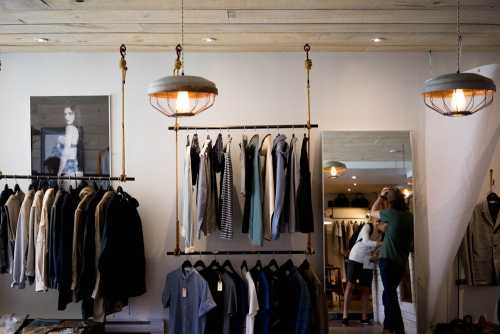
Imagine you are the captain of a giant ship sailing across the ocean. For many years, the waters have been calm and predictable. You knew exactly which route to take, how fast to sail, and where to find the best treasures. But suddenly, the weather changes. The winds shift direction, huge waves appear, and you have to learn to navigate in a completely new way. This is exactly what is happening in the fashion industry right now in 2026.
The fashion world is experiencing what experts are calling a "great reset." Everything is changing at once: how clothes are made, how they are sold, how people shop, and even what people want to buy. It is a lot to handle, but it is also creating exciting new opportunities for brands that can adapt quickly and creatively.
One of the biggest challenges facing fashion companies today is something called tariffs. A tariff is like a special tax that countries charge when products cross their borders. Imagine if you wanted to buy a toy from another country, but before you could get it, you had to pay an extra fee just because it traveled from far away. That is essentially what a tariff is.
In 2026, the United States has increased tariffs significantly, which means it now costs much more money for fashion brands to make clothes in one country and sell them in another. This is causing huge problems for the industry. Brands are having to completely rethink where they manufacture their products, how they price their items, and how they manage their supply chains. It is like having to redraw the entire map of how fashion works.
Seventy-six percent of fashion executives say tariffs are the biggest issue defining 2026. That is more than three out of every four leaders in the industry! They are scrambling to find new factories in different countries, negotiating new contracts, and trying to keep prices affordable for customers while still making enough profit to stay in business.
But tariffs are not the only big change happening. There is also a technological revolution taking place, and its name is Artificial Intelligence, or AI. AI is like having a super-smart computer assistant that can think, learn, and help solve problems. And in the fashion industry, AI is becoming more important than ever before.
Fashion executives say AI is the biggest opportunity for the industry right now. It is more important than creating new products or even sustainability initiatives. This is because AI can help companies do everything better and faster. It can predict what trends will be popular next season, it can design new clothes, it can manage inventory so stores do not run out of popular items, and it can even help customers find exactly what they are looking for.
But AI is not just changing how companies work behind the scenes. It is also changing how people shop. More and more, customers are using AI assistants to help them find products, compare prices, and get personalized recommendations. Instead of searching on Google, they are asking AI chatbots questions like, "What are the best summer dresses under $100?" or "Where can I find sustainable jeans in my size?"
This means that fashion brands now have to make sure their products show up in AI responses. It is like the new version of search engine optimization, or SEO. If an AI assistant does not know about your brand or recommend your products, you might as well not exist. This is a completely new challenge that companies are racing to figure out.
Meanwhile, customers themselves are changing what they want and how they spend their money. After years of rising prices and economic uncertainty, people are being more careful with their budgets. They are looking for value and quality instead of just buying the most expensive brand. They are spending more money on things that improve their health and wellbeing, like fitness equipment, organic food, and self-care products.
This shift in consumer behavior is having a huge impact on the fashion industry. Luxury brands, which sell very expensive clothes and accessories, are seeing slower growth. Customers are no longer willing to pay sky-high prices just for a fancy logo. Instead, they are turning to mid-market brands that offer good quality and stylish designs at more reasonable prices.
As a result, the mid-market segment is now the fastest-growing part of the fashion industry. Brands in this price range are investing in better materials, more creative designs, and improved store experiences to attract customers who want quality without the luxury price tag.
One category that is absolutely thriving right now is jewelry. While sales of clothes and handbags have slowed down, jewelry sales are booming. People are buying more necklaces, earrings, bracelets, and rings than ever before. This is because jewelry is seen as a lasting investment. Unlike a trendy shirt that might go out of style in a year, a beautiful piece of jewelry can last a lifetime and even be passed down to children and grandchildren.
Jewelry also allows for self-expression and self-gifting. More and more people, both men and women, are buying jewelry for themselves as a way to celebrate their achievements and express their personal style. This trend is expected to continue through at least 2028.
Another exciting category that is growing rapidly is smart eyewear. These are glasses that combine fashion with technology. They might have built-in cameras, speakers, or AI assistants. They look like regular stylish glasses, but they can do amazing things like take photos, play music, or translate languages in real-time. This category is projected to be worth more than $30 billion by 2030, making it one of the most promising areas for fashion and technology to come together.
Sustainability and resale are also becoming increasingly important. As prices rise in the primary market, more customers are turning to secondhand fashion. Shopping for used clothes is no longer seen as something only poor people do. It is now mainstream and even trendy. Major resale marketplaces have made it easy and convenient to buy and sell pre-owned fashion, and more customers are embracing it as a way to find unique pieces, save money, and reduce waste.
Fashion brands are starting to launch their own resale programs, allowing customers to trade in their old items for store credit or cash. While there are still operational challenges to figure out, resale represents a huge opportunity for brands to generate additional revenue and build stronger relationships with customers.
All of these changes are happening at the same time, creating a complex and challenging environment for fashion companies. But for those that can adapt and innovate, there are also tremendous opportunities. The industry is being reshaped in fundamental ways, and the brands that thrive will be those that can balance efficiency with creativity, technology with humanity, and profitability with purpose.
This is the great reset of fashion. It is difficult and uncertain, but it is also exciting and full of potential. The industry is being forced to evolve, to become more efficient, more sustainable, more customer-focused, and more innovative. And in the process, it is creating a new vision for what fashion can be in the 21st century.
Industry Analysis & Reports
The State of Fashion 2026: 46% of executives expect conditions to worsen. Tariffs, AI, and shifting consumer priorities top the agenda. https://t.co/example456#FashionIndustry
Full report at Business of Fashion
Related Articles

Fashion’s Strategic Pivot: Craftsmanship as a Defensive Moat Against Algorithmic Commoditization
Sep 22, 2026![[The End of the Halo Effect: Fashion’s Inevitable Reckoning with Greenwashing]](https://www.crimaz.com/assets/images/no-image.jpg)
[The End of the Halo Effect: Fashion’s Inevitable Reckoning with Greenwashing]
Sep 22, 2026
Comments (0)
No comments yet. Be the first to share your thoughts!
Want to join the discussion?
Please log in to post a comment.
Login NoworCreate an Account