
The Great Forest Promise: Canada and Indigenous Leaders Sign a Historic Pact to Protect the Giant Trees

Giving the Keys of the Forest Back to the Caretakers
Imagine you have a beautiful, giant garden in your backyard. It has tall trees that touch the sky, soft green moss that feels like a carpet, and a little stream where the water babbles and sings. You love this garden, and you take care of it. Now, imagine that a long, long time ago, your great-great-grandparents built this garden and taught it how to grow. But over the years, other people came and started making the rules about which flowers could be picked and which trees could be chopped down, even though they did not know the garden's secrets like your family did. Now, imagine that the people in charge of the whole country decide to give the keys to the garden back to your family, promising to listen to you whenever you say how to take care of it. This is exactly what happened on a beautiful, crisp morning in late June 2026 in the great, wide country of Canada. The Prime Minister and the leaders of the Indigenous nations gathered together to sign a massive, historic agreement to protect the Boreal Forest. It is a breaking news story about love, respect, and the earth, and we are going to explore it in a way that is as gentle and clear as a story about planting a seed.
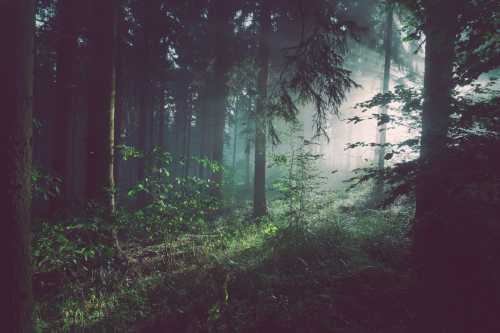
To understand why this news is so incredibly important, you first have to know about the Boreal Forest. If you look at a map of Canada, you will see a giant, dark green blanket covering almost the entire middle and top of the country. That is the Boreal Forest. It is one of the largest forests in the whole wide world. It is so big that it takes days and days to drive across it. The trees there are very special. They are mostly evergreen trees, like spruce, pine, and fir. They are called evergreen because they stay green all year round, even in the dead of winter when the snow is piled high and the wind is howling. They are like brave soldiers standing guard in the cold. The forest is also home to amazing animals. There are giant moose that look like they are wearing brown suits, fluffy snowshoe hares that turn white in the winter to hide in the snow, and beautiful birds like the gray jay, which is very friendly and will sometimes land right on your shoulder if you sit very still. The forest is a giant, breathing, living home for thousands of different creatures.
For thousands and thousands of years, long before there were cars or tall cities, the Indigenous peoples of Canada lived in this forest. These are the First Nations, the Inuit, and the Métis people. They did not just live in the forest; they were part of the forest. They knew the names of every tree, every river, and every animal. They knew which berries were sweet and which roots could heal a sick tummy. They knew how to listen to the wind to tell when a big snowstorm was coming. They treated the forest like their mother, taking only what they needed to survive and always saying thank you to the earth. They had a deep, spiritual connection to the land. But when explorers and settlers came from across the ocean many years ago, they brought different ideas. They saw the forest as a place to chop down trees to build houses, or to dig holes in the ground to find shiny metals and minerals. They made laws that gave the control of the land to the government, and the Indigenous people were often pushed aside, their voices not being heard when it came to deciding what happened to their ancestral home.
For a very long time, this caused a lot of sadness. The Indigenous elders, who are the wise old men and women who hold the memories and the stories of the past, watched as parts of the forest were damaged. They watched the rivers get muddy and the animals move away. They prayed and fought for many decades, asking the government to recognize their rights to their own land. They wanted to be the caretakers of the forest again, because they knew best how to keep it healthy and beautiful. Finally, on this beautiful morning in June 2026, the government of Canada listened. The Prime Minister, along with the provincial leaders and the national Indigenous leaders, met in the capital city of Ottawa. They met in a grand, stone building that looks like a giant castle from a fairy tale. The air outside was filled with the sound of drums and the beautiful, high-pitched singing of traditional songs. Thousands of people gathered on the green lawns, waving flags and smiling, feeling the warmth of a promise finally being kept.
The agreement they signed is called the "Boreal Stewardship and Sovereignty Accord." Stewardship is a big word that means "taking care of something very precious." Sovereignty means "having the power to make your own choices." This accord is a giant, beautiful promise. It says that millions of acres of the Boreal Forest will now be co-managed by the Indigenous nations. This means that the government cannot just come in and chop down trees or dig for metals without asking. The Indigenous leaders have the power to say, "No, this part of the forest is sacred, you must not touch it," or "Yes, you can use this small part, but you must do it gently and pay the community to help heal the rest." It is like giving the keys to the garden back to the family who planted it, and promising to always ask them before you pick a single flower. The accord also promises billions of dollars to help the Indigenous communities build schools, hospitals, and clean water systems, using the resources that come from the forest in a respectful way.
The signing ceremony inside the grand building was a moment of pure, overwhelming emotion. The room was decorated with beautiful blankets woven with bright, colorful patterns that tell stories of the animals and the stars. The air smelled of sweetgrass, which is a special plant that smells like vanilla and is burned in a ceremony to clean the air and bring good thoughts. The Indigenous elders walked to the front of the room, wearing beautiful regalia. Regalia is not a costume; it is sacred, handmade clothing covered in intricate beadwork, feathers, and ribbons. Every single bead and feather has a meaning and a story. The elders moved slowly, their faces lined with the wisdom of many years. When the Prime Minister stood up to shake their hands, many of the elders had tears in their eyes. They were tears of joy and relief. They were thinking of their grandparents, who had fought for this day, and they were thinking of their grandchildren, who will now grow up knowing that their home is safe and respected.
The Prime Minister spoke softly, with great respect. He said that for too long, the country had tried to tell the Indigenous people how to live on their own land. He said that was a mistake. He explained that the Indigenous people are the original guardians of the earth in this country. They know the language of the trees and the rivers. By giving them the power to protect the Boreal Forest, Canada is not just fixing an old wrong; it is saving the planet. The Boreal Forest is often called the "lungs of the Earth" because the millions of trees breathe in the bad gases that make the planet too hot, and they breathe out the clean, fresh oxygen that we all need to live. By protecting the forest, the Indigenous caretakers are helping to keep the whole world healthy. It is a gift from Canada to the entire planet.
The details of the accord are very exciting for the future. The Indigenous nations will establish "Indigenous Protected and Conserved Areas." These are special zones where the focus is on healing the land. They will use a mix of traditional knowledge, which is the wisdom passed down through stories and songs, and modern science, like using drones to watch over the trees and satellites to check the health of the rivers. They will hire young people from their communities to be the rangers, the guardians who walk the forest paths, making sure the animals are safe and the water is clean. This gives the young people jobs, purpose, and a deep connection to their heritage. It teaches them that their culture is not just something in the past; it is the key to the future. It is a beautiful bridge between the ancient wisdom of the elders and the bright technology of tomorrow.
Outside the building, the celebration was a massive, joyful party. There were huge drums being played, the sound vibrating in your chest like a second heartbeat. People were dancing the Jingle Dress dance, where the women wear dresses covered in little metal cones that make a sound like gentle rain when they move. There were tables filled with traditional food, like bannock, which is a delicious, fried bread that tastes warm and comforting, and wild berry jams that taste like summer sunshine. Children ran around with their faces painted, learning the steps of the dances from their parents. The atmosphere was one of profound healing. For so long, the history between the government and the Indigenous peoples had been filled with pain and broken promises. Today, a new chapter was being written, a chapter filled with respect, partnership, and love for the earth.
This breaking news is being celebrated all over the world. Environmental groups, who work to protect nature, are cheering loudly. They know that the best way to save the forests and the animals is to give the power to the people who have lived with them for thousands of years. Studies have shown that land managed by Indigenous peoples is always healthier and has more animals than land managed by anyone else. The Indigenous people do not see the forest as a warehouse full of wood to be sold; they see it as a living relative to be loved and respected. This shift in thinking is exactly what the world needs right now. It teaches us that we are not the bosses of nature; we are just a part of it, and we have to listen to the earth if we want to survive.
As the sun began to set over Ottawa, painting the sky in soft pinks and purples, the drums continued to beat. The leaders stayed late into the evening, talking and planning the next steps. They know that signing the paper is just the first step. Now, they have to draw the maps, they have to train the rangers, and they have to build the schools. It will take many years of hard work. But the foundation is strong, built on the solid rock of truth and reconciliation. Reconciliation is a big word that means "becoming friends again after a big fight." It means acknowledging the hurt of the past and working together to build a happy, fair future. The Boreal Stewardship Accord is a shining example of reconciliation in action. It shows that when we listen to each other, when we respect different ways of knowing, and when we work together to protect our beautiful planet, we can achieve miracles.
The Globe and Mail has been broadcasting the ceremony all day, showing the beautiful faces of the elders, the bright colors of the regalia, and the vast, green expanse of the Boreal Forest. The reporters are telling the stories of the young rangers who are getting ready to patrol the forests, and the scientists who are partnering with the communities. Everyone feels a deep sense of hope. The forest will stand tall for another thousand years, its roots digging deep into the earth, its branches reaching up to the sky. The animals will roam free, and the rivers will run clear. And the Indigenous people, the original caretakers, will be there to watch over it all, singing their songs to the trees, keeping the ancient promise that they will protect the earth, and the earth will protect them. It is a beautiful, enduring story of home, of healing, and of the deep, green heart of Canada.
A historic day for Canada and the world. ???????????? We have signed the Boreal Stewardship Accord, returning the care of our greatest forests to the Indigenous peoples who have protected them since time immemorial. The land is healing. ????✨ #BorealAccord#IndigenousLeadership
— Prime Minister of Canada (@JustinTrudeau) June 29, 2026
Related Articles

The August Gridlock: Antitrust Warfare, Studio Relocation, and the Sovereign Talent Economy
Aug 12, 2026
The Civic Toll-Booth: How Venue Naming Rights and Algorithmic Ticketing are Rewiring Olympic Economics
Aug 12, 2026
Comments (0)
No comments yet. Be the first to share your thoughts!
Want to join the discussion?
Please log in to post a comment.
Login NoworCreate an Account