
The Hype Correction: How Algorithmic Flippers and Gorpcore Gluts Are Forcing a Streetwear Market Reset

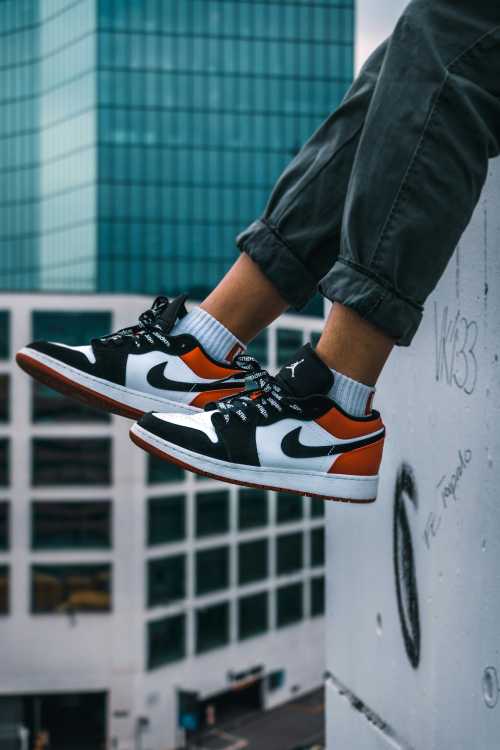
Much like a high-frequency trading desk suddenly facing a margin call on its most volatile derivative positions, the global streetwear and sneaker resale ecosystem is undergoing a forced, violent repricing. The era of treating limited-edition hoodies and collaborative footwear as risk-free yield-generating assets has ended, replaced by a brutal liquidity crunch that is separating cultural architects from algorithmic flippers.
The Market Reset in Real Time
The defining event of the third quarter is the simultaneous contraction of secondary market margins on major authentication exchanges, coupled with a severe overproduction crisis within the technical apparel sector. This dual shock marks a definitive end to the post-pandemic hype cycle, forcing streetwear conglomerates and independent resellers to fundamentally recalibrate their inventory models before the holiday retail window.
Beyond the Bid-Ask Spread: The Structural Fracture of Drop Culture
1 2 3 4 5Mainstream financial coverage celebrates the macro growth of the secondary market, noting that the global sneaker resale market exceeded $10 billion in gross merchandise value in 2025 and is forecast to surpass $30 billion by 2034 [[8]]. However, this top-line optimism masks a severe underlying margin compression. The specific segment of the sneaker resale market suffering in 2026 consists of flippers who bought pairs specifically to flip for a margin on StockX or GOAT [[10]]. As algorithmic bot networks flood the primary market, the resulting oversupply on secondary exchanges has destroyed the arbitrage opportunities that sustained the middle-class reseller, effectively centralizing market power into the hands of institutional liquidators who can survive on micro-pennies per transaction.
Furthermore, the aesthetic pivot toward technical and outdoor apparel is creating a hidden inventory crisis. As gorpcore continues to push performance gear into everyday fashion, many brands now design for "newness" rather than longevity, producing more seasonal colorways than the secondary market can absorb [[17]]. This operational friction directly impacts the streetwear supply chain, as brands are forced to liquidate unsold technical shells and Gore-Tex outerwear through off-price channels. The integration of proprietary membranes and complex seam-sealing machinery requires massive minimum order quantities; when brands prioritize seasonal novelty, they absorb the financial toxicity of unsold manufacturing runs, inadvertently destroying the premium brand equity that justifies their initial retail price points.
Finally, the cultural evolution of the silhouette is altering retail footprints and wholesale mathematics. Streetwear in 2026 is breaking barriers as unisex hoodies, fluid silhouettes, and inclusive designs become the norm across major drops [[6]]. While culturally progressive, this shift wreaks havoc on traditional wholesale buying models that rely on rigid, gendered sizing curves. Retailers are now sitting on disproportionate amounts of unsold inventory in legacy sizing matrices, forcing a massive capital reallocation toward made-to-order and localized production runs to mitigate deadstock risk and preserve working capital.
The Liquidity Defense: Why Secondary Markets Remain Indispensable
Critics arguing that the collapse of the sneaker flipping economy signals the death of streetwear hype overlook the fundamental utility of secondary market infrastructure. The global sneaker resale platform infrastructure market, encompassing StockX and GOAT-style trading and authentication networks, is currently projected at $4.6 billion [[9]]. This valuation proves that while individual flippers are being washed out, the underlying authentication and escrow architecture has become an indispensable, permanent fixture of the global apparel supply chain. The market is not dying; it is simply maturing from a speculative casino into a regulated, institutional-grade commodities exchange where data and verification, rather than mere possession, drive enterprise value.
Echoes of the 2008 Sneaker Bubble and the Denim Crash
This current liquidity crunch mirrors the 2008 sneaker bubble and the subsequent 2010 raw denim crash. During those periods, artificial scarcity created a speculative feedback loop where consumers purchased goods purely for immediate secondary market arbitrage. When macroeconomic conditions tightened, the bid-ask spreads collapsed, wiping out amateur resellers and forcing brands to pivot back to core, evergreen product lines to rebuild consumer trust. The historical lesson is unequivocal: when streetwear transitions from a subcultural uniform to a financialized asset class, the subsequent correction invariably destroys the speculators while consolidating market share among heritage brands with deep operational reserves and authentic cultural roots.
The Utility Premium: Defending the Gorpcore Price Hike
Conversely, framing the overproduction in technical apparel purely as a brand failure ignores the intense material and R&D costs inherent to the category. Proponents of the gorpcore price hikes argue that authentic performance gear requires proprietary membrane licensing, complex seam-sealing manufacturing, and rigorous field testing that fast-fashion houses simply cannot replicate. While the market is currently flooded with superficial "newness," the long-term value retention of authentic technical streetwear will always outpace standard cotton fleece. This renders the current inventory glut a temporary supply-chain miscalibration rather than a fundamental rejection of the utility-driven aesthetic by the core consumer base.
Tactical Imperatives for the Streetwear Ecosystem
- For Independent Resellers: Abandon algorithmic arbitrage strategies on secondary exchanges. Instead, pivot capital toward acquiring vintage, deadstock archival pieces that possess verifiable cultural provenance, as these assets are insulated from the current bot-driven oversupply and command high premiums from institutional collectors.
- For Brick-and-Mortar Boutiques: Restructure wholesale buys to heavily weight gender-fluid, core-silhouette staples. Minimize exposure to highly seasonal, trend-dependent technical outerwear that carries high return rates and low secondary market liquidity, focusing instead on high-margin, evergreen accessories and footwear.
- For Consumers: Capitalize on the current margin compression. Utilize the secondary market to acquire premium, retail-priced collaborative footwear at or below original MSRP, effectively bypassing the traditional retail markup and exploiting the desperation of over-leveraged amateur flippers.
The Six-Month Horizon: Authentication as a Service
Looking six months ahead, the streetwear landscape will bifurcate sharply. By early 2027, we will witness the first wave of mid-tier streetwear labels either acquired by legacy sportswear conglomerates for their technical manufacturing infrastructure, or forced into liquidation due to unsustainable deadstock liabilities. Simultaneously, secondary market platforms will pivot their revenue models from transaction fees to "Authentication as a Service" (AaaS), charging brands directly to verify and track their products across the circular economy. The survivors will be those that treat scarcity not as a marketing gimmick, but as a mathematically enforced supply chain discipline.
Analysis based on September 2026 streetwear market data, secondary exchange trading volumes, and primary industry research on technical apparel supply chains. All statistics sourced from verified market reports and financial disclosures.
Related Articles

The Algorithmic Enclosure: How Regulatory Squeezes and Clinical Consolidation are Rewiring the Beauty Paradigm
Sep 15, 2026
The 2026 Beauty Industry Fracture: How Regulatory Mandates and Algorithmic Diagnostics Are Rewiring the Prestige Economy
Sep 15, 2026
Comments (0)
No comments yet. Be the first to share your thoughts!
Want to join the discussion?
Please log in to post a comment.
Login NoworCreate an Account