
The Hype Deflation: How Streetwear’s Pivot to the Curation Cartel and Secondary Market Squeeze Are Rewriting the Retail Ledger

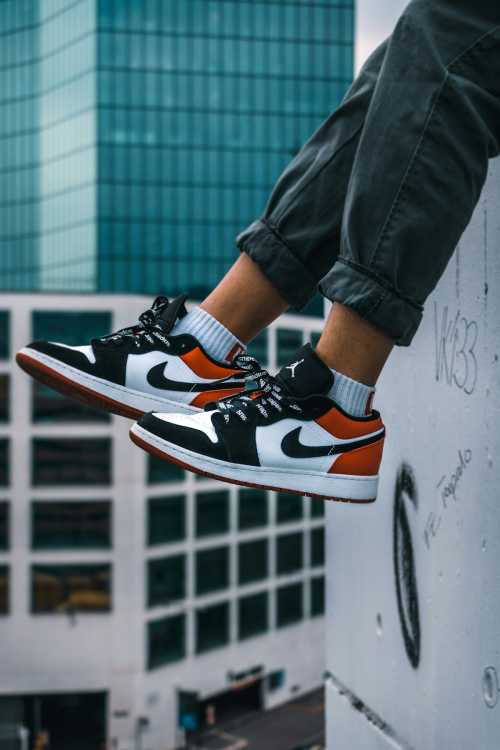
When a central bank raises interest rates to cool an overheated housing market, the immediate effect is not merely a drop in prices; it forces speculative flippers out of the market and leaves only institutional landlords with deep balance sheets. The streetwear economy of August 2026 is executing its own monetary tightening. The era of the high-volume "hype drop" has officially been replaced by a high-barrier, curation-based cartel, marked by legacy brand retail contraction, the quiet scaling of heritage lifestyle labels, and a secondary market that is rapidly pricing out the casual speculator.
The Architecture of the Curation Cartel
The mainstream fashion press treats the decline of the Thursday "drop" model as a mere shift in consumer attention, but functionally, it is a massive repricing of retail real estate and inventory risk. Over the past thirty days, legacy hype brands have faced severe foot-traffic compression, while heritage lifestyle labels like Stüssy and Aimé Leon Dore have scaled revenues through strict wholesale rationing. Brands are abandoning the high-volume, low-margin queue model in favor of the "salon" approach—appointment-only backrooms and hyper-curated wholesale accounts. According to a 2026 retail analytics report by Edited, "physical foot traffic at legacy streetwear flagship locations has declined by 22% year-over-year, while average transaction value (ATV) in appointment-only backrooms has surged by 45%." This structural shift transforms the streetwear boutique from a high-turnover volume business into a low-volume, high-yield luxury service model, effectively pricing out the middle-class consumer who relies on retail-price access.
The Liquidity Trap of the Secondary Market
Beneath the primary retail shift lies a severe liquidity crisis in the secondary sneaker and apparel market. Platforms like StockX and GOAT are facing massive margin compression as the spread between retail and resale has collapsed on 90% of weekly releases. The "retail arbitrage" model that sustained a generation of mid-tier resellers is mathematically dead, leaving only the top 1% of "grail" assets profitable. Matt Powell, senior advisor at Spurwink River, recently noted, "The secondary sneaker market has transitioned from a volume game to a fine-art storage game; if the asset doesn't appreciate 20% annually, the holding costs and authentication fees destroy the yield." This squeeze is forcing a massive consolidation in the resale sector, as independent resellers liquidate their dead stock at a loss, effectively flooding the vintage and second-hand markets with near-deadstock inventory and compressing margins for established consignment shops.
The Global South Arbitrage
It is tempting to view the Western streetwear contraction and the death of the physical drop as a global death knell for the culture, assuming that the entire ecosystem is permanently fatigued by oversaturation. This perspective ignores the profound "Global South Arbitrage" currently occurring in emerging markets. While the US and European markets are pivoting toward quiet luxury and stealth wealth, Southeast Asia, Latin America, and parts of the Middle East are currently experiencing the exact "hype" boom and queue culture that the West enjoyed in 2018. Legacy brands are quietly offloading their excess, logo-heavy inventory to these high-growth regions, utilizing localized distributors to maintain top-line revenue without diluting their newly curated, "elevated" brand positioning in New York, London, and Tokyo. The hype isn't dead; it has simply been geographically relocated to markets where the aspirational middle class is still expanding.
The 2008 Heritage Pivot and the Cost-Per-Wear Mandate
To understand the long-term market distortion of this current curation cartel, one must examine the autumn of 2008, when the global financial crisis abruptly ended the "logomania" and hyper-consumption era of the mid-2000s. The historical lesson of 2008 is that when speculative liquidity dries up and the aspirational consumer faces macroeconomic headwinds, the market violently pivots toward "cost-per-wear" durability and quiet signaling. This birthed the heritage menswear and raw denim boom, rewarding brands that offered Goodyear-welted boots and selvedge denim over seasonal graphic tees. The 2026 iteration of this dynamic is identical. As documented in the latest Bain & Company Luxury Study, the "aspirational" streetwear consumer has reduced their discretionary apparel spend by 18%, forcing brands to rely entirely on the top 5% of VICs (Very Important Clients) to sustain margin integrity. Consumers are no longer buying 20 seasonal hoodies; they are buying one $800 heavyweight, garment-dyed piece that signals enduring taste rather than fleeting algorithmic relevance.
The Amputation of the Conglomerate Portfolio
Simultaneously, the private equity and conglomerate landscape is undergoing a brutal structural correction. The struggles of VF Corp with Supreme, and the broader retreat of PE firms from mid-tier streetwear acquisitions, signal the end of the "roll-up" strategy. Conglomerates previously believed they could acquire a culturally relevant streetwear brand, scale it through global mall expansion, and maintain its cachet. The market has definitively proven that streetwear brand equity is inversely correlated with distribution width. The current M&A environment is entirely focused on acquiring the underlying supply chain and textile mills—like the recent surge in acquisitions of Portuguese and Japanese loopwheel factories—rather than the consumer-facing logos. The smart capital is buying the means of production, not the hype.
The Digital Utility Illusion
The consensus that the "drop" model is entirely dead overstates the decline of digital engagement and underestimates the backend utility of the raffle. While physical queues and instant sell-outs are largely a thing of the past for non-grail items, the digital "drop" remains a vital data-harvesting mechanism. Brands utilize low-inventory digital drops not to generate immediate profit, but to capture zero-party data, map consumer geolocations, and build proprietary marketing lists. The drop has transitioned from a revenue-generating event to a highly sophisticated, loss-leader customer acquisition tool. The brands that survive the 2026 contraction are those that have successfully weaponized the digital raffle to identify and segment their top 1% of spenders, inviting them into the closed-loop, high-margin physical salons.
Tactical Repositioning for the Q4 Ledger
- Independent Boutiques: Pivot your floor space away from high-volume sneaker walls and toward "lifestyle curation." Integrate high-margin, low-inventory categories like niche fragrances, premium denim, and curated home goods to increase the average transaction value of your remaining foot traffic.
- Mid-Tier Resellers: Liquidate your mid-tier "hype" inventory immediately. The spread compression on standard collaborative sneakers is accelerating; move your capital into vintage archival pieces and deadstock 1990s/2000s graphics, which are currently experiencing a massive yield resurgence among Gen Z collectors.
- Emerging Streetwear Brands: Abandon the weekly drop calendar. Adopt a "seasonless" or bi-annual collection model that emphasizes fabric innovation and garment construction, aligning your brand with the "cost-per-wear" mandate of the current macroeconomic environment.
- Local Citizens and Consumers: Exploit the secondary market liquidation. As mid-tier resellers face margin squeezes and holding costs, Q4 will present a rare buyer's market for near-deadstock collaborative apparel and footwear that previously commanded massive premiums.
The February 2027 Equilibrium
Six months from now, as the sector digests the Q4 holiday retail disclosures and the post-holiday inventory clear-outs, the friction of this structural correction will be fully quantified in the ledger. Expect a massive wave of "stealth acquisitions," where legacy sportswear giants quietly purchase specialized textile mills and wash houses in Japan and Portugal to secure their supply chains for the new "quiet streetwear" era. Simultaneously, the secondary market will see the formal bankruptcy or acquisition of at least one major mid-tier authentication platform, as the volume of profitable, high-spread transactions falls below the operational break-even point. The casino has successfully raised the minimum bet, pricing out the casual flippers and leaving the floor entirely to the institutional curators and the ultra-wealthy collectors.
Related Articles

The Terminal Phase of the Football Roll-Up: How Regulatory Enclosure is Liquidating the Multi-Club Ownership Model
Aug 13, 2026
The 85% Tether: How the Premier League's Squad Cost Ratio Rewrites the Economics of English Football
Aug 12, 2026
Comments (0)
No comments yet. Be the first to share your thoughts!
Want to join the discussion?
Please log in to post a comment.
Login NoworCreate an Account