
The Magic Shoes Made from Trash: How New York's Biggest Streetwear Brand is Saving the Ocean

What Exactly is Streetwear?
Before we talk about the magic shoes, we need to understand what "streetwear" actually means. A long time ago, clothes were just for keeping you warm or looking fancy for a party. But in the 1980s and 1990s, kids in big cities like New York, Los Angeles, and Tokyo started wearing clothes that were comfortable for skating on skateboards, dancing hip-hop, and hanging out on the street. They wore baggy hoodies, graphic t-shirts, and really cool sneakers. This style became known as "streetwear." It was not about following the rules of high fashion; it was about expressing who you were, where you came from, and what you loved to do.
Today, streetwear is a massive, multi-billion dollar industry. It is no longer just for skaters and musicians; it is worn by movie stars, billionaires, and regular people all over the world. Brands like Supreme, Bodega, and Kith have become as famous as luxury car companies. When these brands release a new item, people get so excited that they will camp out on the sidewalk for three days just to be the first one to buy it. This is called "hype." But with all this excitement and millions of shoes being sold, a big problem started to grow. The planet was getting hurt, and the streets needed a new hero.
The Big News: The "Ocean Walker" Drops in New York
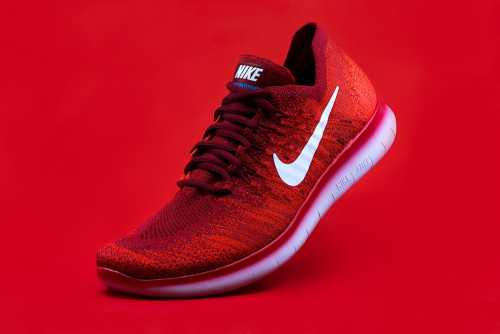
This week in New York City, one of the most famous streetwear brands in the world announced a shoe that has everyone talking. They call it the "Ocean Walker." At first glance, it looks like a classic, chunky, stylish sneaker that you would see on the feet of your favorite rapper or skateboarder. It has thick laces, a cool sole, and a sleek design. But the secret is not in how it looks; the secret is in what it is made of. The Ocean Walker is the first high-fashion streetwear sneaker to be made entirely from trash pulled out of the ocean and grown from mushrooms.
You heard that right. The upper part of the shoe, the soft part that covers your foot, is not made of cow leather or synthetic plastic. It is made from "mylo," which is a material grown from mushroom roots. The laces, the lining, and the mesh are all spun from plastic bottles and fishing nets that volunteers pulled out of the Pacific Ocean. Even the glue used to stick the shoe together is made from plant sap, not harsh chemicals. The brand has managed to take the worst pollution on Earth and turn it into the most desirable object in New York City. It is a massive statement that says we do not have to destroy the planet to look cool.
The Science of Mushroom Leather and Ocean Plastic
How do you actually make a shoe out of a mushroom and ocean trash? It sounds like a science experiment from a cartoon, but it is very real, very complex science. Let us start with the mushroom part. Mushrooms are actually just the fruit of a giant underground network of roots called mycelium. Think of mycelium like a microscopic web that connects the roots of trees and helps them share food. Scientists figured out how to grow this mycelium web in large trays in a laboratory. By controlling the light, temperature, and food, they can make the mycelium grow into a thick, dense mat.
Once the mat is thick enough, they harvest it, treat it with natural, plant-based oils, and press it flat. The result is a material that looks, feels, and acts exactly like animal leather. It is soft, it is strong, and it bends when you walk. But because it is made from mushrooms, it grows in just a few weeks, uses almost no water, and does not require raising any cows. Now, for the ocean plastic. When fishing nets and plastic bottles are pulled from the sea, they are cleaned, shredded into tiny flakes, and melted down. These melted flakes are spun into soft, strong threads, just like cotton or wool. These threads are then woven into the fabric of the shoe. It is a brilliant process that turns environmental disasters into beautiful, wearable art.
The "Drop" Culture: Why People Line Up for Blocks
If the shoe is so good for the planet, why is everyone acting so crazy about buying it? This brings us back to "hype" and the "drop" culture. In streetwear, brands do not just keep shoes on the shelf all year round. They "drop" them. A drop is a specific day and time when a limited number of shoes are released for sale. Once they are gone, they are gone forever. This creates a massive sense of urgency. If you do not buy the Ocean Walker today, you will never be able to buy it from the store again.
Outside the brand's flagship store in SoHo, Manhattan, the line wrapped around the block. People brought tents, sleeping bags, and chairs. They shared food and music. For these fans, buying the shoe is not just about having something to wear on their feet. It is about being part of a community. It is about proving that they care about the culture, that they understand the art, and that they support the message of saving the ocean. When they finally get to the front of the line and hand over their money, they are not just buying a sneaker; they are buying a ticket into an exclusive club of people who "get it." The brand has brilliantly used the psychology of exclusivity to sell a message of environmental salvation.
The Environmental Impact: More Than Just a Gimmick
Some people might look at this and say, "It is just a shoe, how much can it really help the planet?" That is a very fair question. A single pair of shoes, even if it is made of mushrooms, will not clean up the entire Pacific Ocean. But the impact is not about this one shoe; it is about the ripple effect. The traditional sneaker industry is incredibly dirty. It takes thousands of gallons of water to grow the cotton for one pair of shoes, and the tanning process for leather uses toxic chemicals that can poison rivers.
By creating the Ocean Walker, this New York brand has proven that a massive, profitable company can completely change its supply chain. They have shown the rest of the industry that it is possible to make a highly desirable product without hurting the Earth. When a brand like this succeeds, other brands get scared that they will lose customers, so they start making their own eco-friendly shoes. The real magic of the Ocean Walker is not the mushroom leather; it is the blueprint it provides for the rest of the fashion world. It forces the entire industry to level up and start taking care of the planet.
The Future of Hype: When Being Green is the Ultimate Flex
So, what does this mean for the future of streetwear? For a long time, "sustainable" fashion had a bit of a boring reputation. People thought that eco-friendly clothes were just plain, scratchy, beige shirts that looked like potato sacks. But the success of the Ocean Walker proves that sustainability can be loud, proud, and incredibly cool. The next generation of kids growing up today does not just want to look good; they want to feel good about what they are wearing. They want their clothes to reflect their values.
In the future, the ultimate "flex" or status symbol will not just be a rare logo or a limited-edition colorway. The ultimate flex will be knowing that your outfit has a zero-carbon footprint, that it was made without harming any animals, and that it actually helped clean up the environment. The streetwear kids who used to camp out for plastic sneakers are now camping out for mushroom sneakers. It is a beautiful evolution of the culture. It shows that the streets are not just a place for consumption; they are a place for innovation, activism, and leading the charge toward a better, cleaner, and brighter future for all of us.
Related Articles

The Financialization of the Pitch: How Private Equity, Labor Friction, and Geopolitics Are Rewiring Global Football
Sep 18, 2026
The Hedge Fund on Cleats: Football's Regulatory Margin Call and the MCO Reckoning
Sep 17, 2026
Comments (0)
No comments yet. Be the first to share your thoughts!
Want to join the discussion?
Please log in to post a comment.
Login NoworCreate an Account