
The Mid-Year Fashion Marathon: Resort Collections and Men's Weeks Define the Runways of June 2026

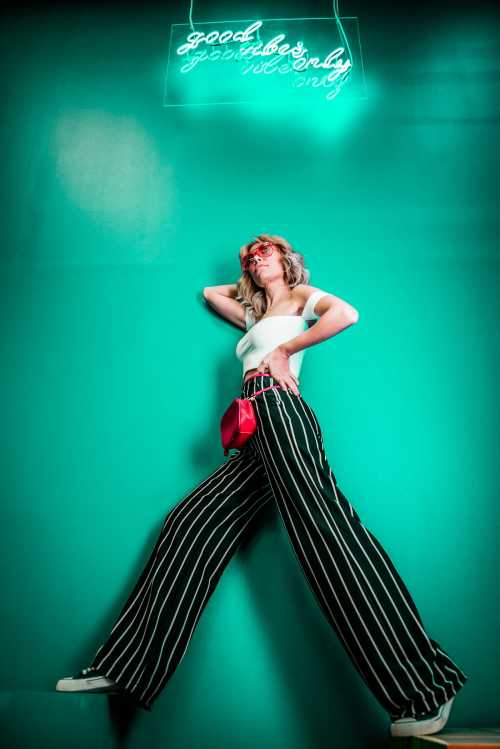
Imagine, if you will, that the fashion world is like a grand, global theater production. For most of the year, the designers are backstage, working feverishly in their ateliers and studios. They are sketching, sewing, draping fabrics on mannequins, and arguing over the perfect shade of blue. Then, at specific times of the year, the curtain rises, the lights come up, and they present their creations to the world in spectacular runway shows. For decades, the fashion calendar was very rigid and predictable. There were two main seasons: Spring/Summer shows in September and Fall/Winter shows in February. But as we move through June 29, 2026, the fashion calendar has become much more fluid, more inclusive, and more responsive to the needs of modern consumers. The runway season never truly ends; it simply shifts its focus. And this week, the focus is on three critical pillars of the industry: the Resort collections (clothes designed for vacation and warm-weather travel), the Men's Fashion Weeks (showcasing the latest in menswear), and the Pre-Fall presentations (a bridge between seasons). Let us walk through this exciting, mid-year fashion marathon together, step by step, exploring how New York, London, and Toronto are each contributing their own unique vision to the global runway conversation.
Our journey begins in the United States, specifically in the bustling, concrete jungle of New York City. While the massive, official New York Fashion Week happens in September and February, the city's fashion scene is incredibly active year-round. In late June, the spotlight turns to "Resort" collections, also known as "Cruise" collections. Now, you might be wondering, what exactly is a Resort collection? Well, imagine you are planning a luxurious winter vacation to a warm, sunny place like the Caribbean, the South of France, or Hawaii. You need clothes that are perfect for that specific lifestyle: elegant evening wear for dinners by the ocean, comfortable but chic daywear for exploring new cities, and swimwear that makes you feel confident and beautiful. Resort collections are designed specifically for this "in-between" season, bridging the gap between the heavy coats of winter and the light fabrics of summer.
This week, several major American fashion houses, including Ralph Lauren, Michael Kors, and Tory Burch, presented their Resort 2027 collections in New York. But here is the exciting part: after years of relying on digital lookbooks and pre-recorded videos during the global pandemic and its aftermath, the physical runway show has made a triumphant, full-force return. Designers have realized that fashion is not just about the clothes; it is about the experience, the emotion, and the shared moment of witnessing art come to life.
Ralph Lauren, a brand that has built its entire identity on the fantasy of the American Dream, presented its Resort collection at a stunning, historic estate in the Hamptons, just outside of New York City. The show was a masterclass in "quiet luxury" and timeless elegance. The runway was set on a manicured lawn overlooking the Atlantic Ocean. The models walked barefoot on the grass, wearing flowing, ivory linen dresses, wide-brimmed straw hats, and nautical-inspired striped sweaters draped over their shoulders. The color palette was a soothing mix of cream, navy blue, and soft coral. The message was clear: true luxury is not about logos or flashiness; it is about the quality of the fabric, the precision of the tailoring, and the feeling of effortless, sun-drenched relaxation. This collection was designed for the woman who owns a beach house, who sails on weekends, and who values heritage and craftsmanship above all else.
In contrast, Michael Kors presented his Resort collection in the heart of Manhattan, at a sleek, modern gallery space in Chelsea. His vision of resort wear was far more urban and fast-paced. The collection featured sharp, tailored suits in bright, tropical colors like electric blue and flamingo pink, paired with strappy, high-heeled sandals and oversized sunglasses. The fabrics were high-tech and performance-oriented, designed to resist wrinkles and keep the wearer cool in the humidity of a city summer. This was resort wear for the woman who is traveling for business, who is running from a boardroom meeting to a rooftop cocktail party, and who needs her clothes to work as hard as she does. The New York Resort presentations this week proved that "vacation" means different things to different people, and American designers are mastering the art of catering to every single lifestyle.
As we cross the Atlantic Ocean to the United Kingdom, the fashion conversation shifts dramatically. While New York is focused on resort wear for women, London is hosting one of the most important events on the global fashion calendar: London Fashion Week Men's (LFWM) for the June 2026 season. Now, it is important to understand that London has always been the edgy, rebellious, and experimental younger sibling of the fashion world. Paris is the elegant grandmother, Milan is the wealthy uncle, and New York is the cool, commercial cousin. But London? London is the punk-rock artist who is not afraid to shock you, challenge you, and make you question everything you thought you knew about style.
London Fashion Week Men's in June 2026 has been a groundbreaking celebration of the redefinition of masculinity. For centuries, menswear was governed by very strict, rigid rules. Men wore suits, ties, and sensible shoes. Colors were muted—navy, grey, black, and brown. Fabrics were traditional—wool, cotton, and tweed. To deviate from these rules was to risk being judged, mocked, or excluded. But the designers showing in London this week are tearing up the rulebook and setting it on fire. They are proving that men's fashion can be just as expressive, just as emotional, and just as diverse as women's fashion.
The standout show of the week was by the British designer Jonathan Anderson for his own label, JW Anderson. Anderson is known for his intellectual, conceptual approach to fashion, and his June 2026 menswear collection was a profound meditation on the fluidity of gender. The runway featured male models wearing delicate, sheer lace blouses, voluminous, floor-length skirts made of tulle, and corsets that cinched the waist to create an hourglass silhouette. But these were not "women's clothes" simply put on male bodies; they were garments designed specifically to celebrate the male form in a new, unconventional way. The lace was heavy and structured, the skirts had pockets and utilitarian details, and the corsets were worn over crisp, white shirts, blending the masculine and the feminine into a harmonious, powerful whole. The collection was a bold statement that a man can be strong and sensitive, traditional and avant-garde, all at the same time.
Another highlight of London Fashion Week Men's was the emergence of a new generation of Black British designers who are using their platforms to explore themes of identity, heritage, and social justice. One such designer, Martine Rose, presented a collection that was inspired by the underground rave culture of 1990s London. The clothes were oversized, baggy, and deconstructed, featuring distorted tailoring where the shoulders were shifted to one side and the hems were uneven. The fabrics were a mix of high-tech synthetics and traditional British wool, creating a clash of textures that mirrored the clash of cultures in modern London. The show was not just about selling clothes; it was about telling a story of a specific time, a specific place, and a specific community that has been historically overlooked by the mainstream fashion industry. London Fashion Week Men's in June 2026 has proven that the runway is not just a place to display products; it is a platform for cultural commentary, for social change, and for the celebration of diversity in all its forms.
Finally, we travel north to Canada, where the fashion scene in June 2026 is taking a slightly different, but no less important, direction. While New York is focused on the fantasy of resort wear and London is pushing the boundaries of gender and masculinity, Toronto is hosting a series of intimate, highly curated Pre-Fall showcases that celebrate the very best of Canadian design and local craftsmanship. Now, what is "Pre-Fall"? It is a collection that arrives in stores in late summer, bridging the gap between the light, airy clothes of summer and the heavy, warm clothes of autumn. It is a transitional season, and the clothes need to be versatile, layerable, and practical for the unpredictable weather of early autumn.
But the Canadian approach to Pre-Fall is not just about the clothes; it is about the people who make them. In an era where most fashion is mass-produced in giant factories on the other side of the world, a growing movement of Canadian designers is committed to keeping their production local. They are working with small, family-owned workshops in Toronto, Montreal, and Vancouver. They are sourcing their fabrics from Canadian mills and their wool from Canadian sheep farms. They are paying their workers fair, living wages and ensuring safe, dignified working conditions. This week, the "Made in Canada" fashion movement took center stage, proving that local production is not just an ethical choice; it is a creative one that results in higher quality, more unique, and more meaningful clothing.
The standout showcase of the week was by the Toronto-based designer Eve Gravel. Although she is originally from Montreal, her brand has become a symbol of the Canadian commitment to slow, thoughtful fashion. Her Pre-Fall collection was presented in a converted warehouse in the city's West End, surrounded by local artists, musicians, and community leaders. The collection featured oversized, boxy blazers in rich, autumnal shades of rust, mustard, and forest green. The fabrics were heavy, textured wools and tweeds, woven in Quebec. The details were exquisite: hand-stitched buttonholes, custom-made brass buttons, and linings printed with original artwork by Canadian illustrators. But the most striking aspect of the show was the casting. The models were not all tall, thin, and young. They were women of all ages, all sizes, and all ethnicities, reflecting the true diversity of the Canadian population. The message was clear: fashion is for everyone, and Canadian design is rooted in inclusivity and community.
Another highlight of the Toronto Pre-Fall showcases was the focus on Indigenous design and collaboration. Several non-Indigenous Canadian designers presented collections that were created in partnership with First Nations artists, ensuring that traditional patterns, symbols, and techniques were used with permission, respect, and fair compensation. This is a significant shift from the past, where Indigenous designs were often appropriated without credit or payment. The new model of collaboration is empowering Indigenous communities, providing economic opportunities, and educating the wider fashion industry about the rich, vibrant cultural heritage of Canada's First Peoples. The Canadian runway scene in June 2026 is proving that fashion can be a force for reconciliation, for cultural preservation, and for building a more just and equitable society.
So, as we look at these three distinct runway events across the USA, the UK, and Canada, we might ask ourselves: why does all of this matter? Why do we need fashion shows in June, when the "big" fashion weeks are in September and February? The answer lies in the changing rhythm of modern life and the evolving needs of the global consumer.
In the past, the fashion industry operated on a very slow, predictable cycle. Designers showed their clothes six months before they arrived in stores. This gave magazines time to edit and photograph the collections, gave buyers time to place their orders, and gave manufacturers time to produce the garments. But in the digital age, everything has accelerated. Consumers want newness constantly. They are bored by the old collections before they even go on sale. They see a picture on Instagram and they want to buy it immediately. This is the "see now, buy now" culture, and it has forced the fashion industry to adapt.
The mid-year runway season—Resort, Pre-Fall, and the Men's weeks—is the industry's response to this demand for constant novelty. These collections arrive in stores when the main seasonal collections are becoming stale and discounted. They provide a fresh injection of newness, a reason for customers to return to the stores, and a way for brands to maintain momentum and relevance throughout the entire year. But more importantly, these mid-year shows offer designers a creative freedom that the high-pressure, main season shows do not. Resort and Pre-Fall are often more commercial, more wearable, and more experimental. Designers can take risks, play with new ideas, and explore different aesthetics without the overwhelming scrutiny of the global press.
Furthermore, the mid-year season has become a crucial platform for diversity and inclusion. Because the main fashion weeks are so crowded and competitive, it is often difficult for new, emerging, or marginalized designers to get a slot on the official calendar. But the mid-year shows are more flexible, more accessible, and more open to new voices. This is why we see so many young, Black, Indigenous, and LGBTQ+ designers making their mark in June. They are using this time to tell their stories, to showcase their talents, and to build their brands on their own terms.
As we move deeper into the summer of 2026, the runway shows will continue. They will move to Paris for Haute Couture week, then to the various international fashion weeks for the Spring/Summer 2027 season. But the energy, the creativity, and the innovation of this June mid-year season will resonate throughout the rest of the year. It has proven that fashion is not a static, rigid industry bound by old rules. It is a dynamic, living, breathing art form that is constantly evolving to reflect the world we live in. And in New York, London, and Toronto, that evolution is happening right now, one runway show at a time.
Related Articles
The Gauge Standardization of Global Apparel: How Runway Mandates are Engineering a Luxury Oligopoly
Aug 13, 2026
The Vault-Settlement Protocol: How Archival Securitization and Ambassador Syndicates are Rewiring Celebrity Style Economics
Aug 12, 2026
Comments (0)
No comments yet. Be the first to share your thoughts!
Want to join the discussion?
Please log in to post a comment.
Login NoworCreate an Account