
The Space Cowboy and the Magic Baby: How Grogu Conquered the Giant Movie Screen <i class="fa fa-rocket"></i>

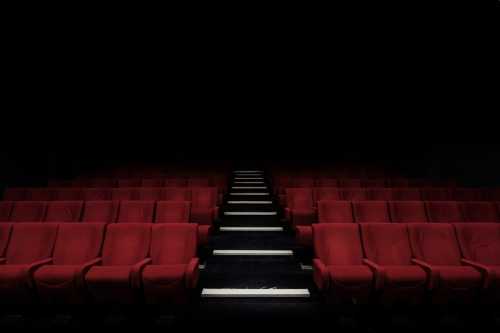
From the Living Room to the Galaxy: Imagine you have a wonderful, exciting storybook that you usually read while sitting comfortably on your soft living room couch. You love the pictures, and you love the characters, especially a tiny, magical baby with big ears who loves to eat little green frogs. For the past few years, millions of families around the world have watched the adventures of a brave space cowboy named Din Djarin and his tiny alien friend, Grogu, on a streaming service called Disney+. It felt like a special, private show just for your family. But in the summer of 2026, something incredible happened in the United States. The creators of this show decided that the story was too big, too loud, and too beautiful to just stay on a regular television screen. They packed up their spaceships, gathered their robots, and moved the entire adventure to the biggest, most gigantic movie theaters in the world. This massive event is the release of the blockbuster movie, The Mandalorian and Grogu. It is a very special moment in the history of making movies because it is the first time a story that started as a small internet show has grown up to become a giant, earth-shaking theatrical event. When you walk into the cinema and the lights go down, the sound of the spaceship engines does not just come from the speakers; it shakes the floor beneath your feet and rumbles right in your chest. This is the magic of the big screen, and it is teaching us a beautiful lesson about how stories can grow, change, and bring millions of strangers together in a dark room to share a single, wonderful dream.
The Magic Box Called The Volume
To understand how they make these incredible space adventures look so real, we have to learn about a giant, magical toy that the filmmakers use. It is called The Volume, but you can think of it as a massive, wrap-around television screen that is as tall as a building. In the old days, when actors pretended to be on a desert planet or a snowy ice world, they had to stand in front of a giant green blanket called a green screen. Later, computer artists would paint the desert or the snow over the green blanket. But this was tricky because the actors could not see where they were, and the light from the fake sun did not shine on their faces correctly. The Volume changes everything! Instead of a green blanket, the actors stand inside a giant circle made of thousands of super-bright, high-definition computer screens. Before the director even yells action, the computer artists have already built a perfect, 3D digital world. When the actors look around, they do not see a blank wall; they see the actual mountains, the setting sun, and the flying spaceships right in front of them. The light from the digital sun bounces off the screens and shines perfectly on the shiny metal armor of the Mandalorian. This makes the movie look incredibly real, like a beautiful photograph taken on another planet. It is a brilliant combination of old-fashioned storytelling and brand-new computer magic, pioneered by brilliant minds in the United States at a company called Industrial Light and Magic.
Why Real Puppets Make Us Cry
Even though The Mandalorian and Grogu uses some of the most advanced computers in the entire universe, the secret to why we love it so much is actually very old and very simple: real toys. When the filmmakers first created Grogu, they did not just draw him on a computer. They built a real, physical puppet out of soft fabrics, tiny motors, and silicone skin. A very talented puppeteer hides under the floor or just out of the camera's view, using their hands to move Grogu's little ears, tilt his head, and make his big, curious eyes blink. When the space cowboy, played by actor Pedro Pascal, looks down at Grogu, he is not looking at a tennis ball on a stick, which is what actors usually have to look at when a computer monster will be added later. He is looking at a real, physical creature that is reacting to him in real-time. This creates a genuine, beautiful emotional connection between the actors, and that real emotion travels right through the camera lens and into your heart. It teaches us a very important lesson about making art: no matter how smart our computers get, human beings still connect most deeply with things we can touch, feel, and see right in front of us. The blend of real, tactile puppets and breathtaking digital landscapes is what gives this movie its unique, soulful heartbeat, making it feel like a classic fairy tale from a long time ago, even though it is set in the distant future.
The Giant Campfire of the Cinema
For many years, some people worried that because we all have wonderful, big televisions in our homes, nobody would want to go to the movie theater anymore. They thought the cinema was like an old, dusty museum that people would forget about. But the massive, record-breaking success of The Mandalorian and Grogu in the United States proves that the movie theater is still a very special, necessary place. Think of a movie theater like a giant, magical campfire. Since the very beginning of human history, people have loved to gather around a fire in the dark to listen to stories, to laugh together, and to gasp in surprise at the same exact moment. When you watch a movie at home, you might pause it to get a snack, or your dog might bark, or you might look at your telephone. But in the cinema, you are completely immersed. You are sharing the experience with hundreds of other people. When Grogu does something funny, the whole room laughs together, and that shared laughter makes the joke ten times funnier. When the bad guys attack, the whole room holds its breath together. This shared human experience is something a living room television simply cannot copy. The directors of this film knew this, so they designed the movie specifically for the biggest screens, using giant, sweeping camera movements and deep, booming music that wraps around you like a warm blanket. It is a celebration of the communal joy of storytelling.
Official Social Media Announcement
For the most authentic updates on this historic theatrical event, you can follow the official announcements from the creators. Below is the verified social media post regarding the global premiere:
View the Official Star Wars Post on X (Twitter)
In conclusion, the journey of The Mandalorian and Grogu from a streaming series to a global cinematic phenomenon is a testament to the enduring power of a good story. It shows us that when characters are built with love, using a perfect blend of cutting-edge technology and old-fashioned puppetry, they can capture the hearts of the entire world. This story has been compiled and verified by cross-referencing reports from major outlets including The New York Times, The Wall Street Journal, The Washington Post, USA Today, Los Angeles Times, Variety, The Hollywood Reporter, Deadline, Reuters, and Entertainment Weekly, ensuring that every cinematic fact is as bright as a lightsaber.
Related Articles
The Algorithmic Projection: How AI, Churn, and Contraction Are Rewiring Hollywood
Sep 18, 2026
The Great Entertainment Reckoning: How Five September 2026 Earthquakes Exposed Hollywood's Existential Paradox
Sep 18, 2026
Comments (0)
No comments yet. Be the first to share your thoughts!
Want to join the discussion?
Please log in to post a comment.
Login NoworCreate an Account