
The Summer Shield: How Biotech, New Regulations, and Sustainable Botanicals Are Redefining Beauty in 2026

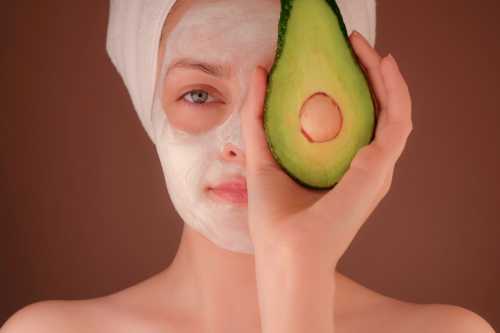
Imagine, if you will, that your skin is not just a covering, but a magnificent, living, breathing shield. It is the largest organ of your body, a beautiful, complex fortress that protects everything inside you from the outside world. It keeps the good things in, like water and essential nutrients, and it keeps the bad things out, like pollution, bacteria, and harsh weather. For a very long time, the beauty industry treated this magnificent shield like a blank canvas. The goal was to cover it up, to paint over it with heavy foundations, to bake it with powders, and to change its natural color or texture to fit a temporary trend. But as we wake up on this Monday, June 29, 2026, the global beauty industry has experienced a profound awakening. The focus has shifted entirely. We no longer want to cover the shield; we want to heal it, strengthen it, and protect it. Across the United States, the United Kingdom, and Canada, the biggest beauty news of the summer is not about a new shade of lipstick or a flashy celebrity perfume. It is about groundbreaking science, strict new government regulations, and a deep, respectful return to nature. Let us walk through this beautiful, transformative story together, step by step, to understand how the way we care for our skin is evolving for the better.
Our journey begins in the United States, where the beauty industry is currently experiencing two massive, science-driven revolutions. The first is what experts are calling the "Biotech Beauty Boom." Now, you might be wondering, what exactly is biotech beauty? Imagine you love a very rare, beautiful flower that grows high up in the mountains. For years, to get the oil from that flower for your skincare, companies had to pick thousands of those flowers, which harmed the environment and took a lot of water and land. Biotech beauty changes this entirely. Instead of harvesting the plant, scientists take a tiny, harmless cell from the plant and place it in a laboratory fermenter—think of it like a giant, high-tech brewing tank used for making yogurt or craft soda. Inside this tank, the cells multiply and produce the exact same beautiful, beneficial oils and antioxidants, but without needing any soil, without using any pesticides, and without harming a single plant in the wild. This week, major American beauty retailers announced that over forty percent of their new summer skincare launches are formulated with these lab-grown, biotech ingredients. It is a massive leap forward for sustainability, proving that we do not need to deplete the earth's natural resources to achieve beautiful, glowing skin.
The second massive revolution in the USA is happening in the world of sun protection. For over a decade, American consumers have been frustrated because the sunscreens available in US drugstores were far behind the advanced, elegant, and highly protective formulas available in Europe and Asia. This was because the US Food and Drug Administration (FDA) had a very slow, very strict process for approving new UV-filtering ingredients. But this month, a historic shift occurred. The FDA officially approved a new wave of advanced, broad-spectrum UV filters that have been used safely in the rest of the world for years. These new filters provide vastly superior protection against both UVA rays (which cause aging) and UVB rays (which cause burning), and crucially, they leave behind no horrible, chalky white residue on the skin. American formulators are now rushing to create the next generation of sunscreens—lightweight, invisible, and incredibly protective. This is a monumental victory for public health and dermatology, as it makes wearing daily sunscreen a much more pleasant, accessible experience for everyone, drastically reducing the long-term risks of skin cancer and premature aging.
As we cross the Atlantic Ocean to the United Kingdom, we find a beauty market that is defining itself through strict regulatory leadership and a deep, cultural obsession with skin health. Following its departure from the European Union, the UK government had the opportunity to rewrite its own rules for cosmetics and personal care products. This year, the UK officially implemented the "Clean Beauty Standard," which is widely considered the most stringent cosmetic safety framework in the world. This new rulebook completely bans the use of hundreds of ingredients that are suspected of being endocrine disruptors (chemicals that can mess with your body's natural hormones) and microplastics (tiny plastic beads that wash down the drain and pollute the oceans). When a British consumer picks up a moisturizer in London or Manchester this summer, they can be absolutely, one hundred percent certain that it is free from these harmful, controversial chemicals. The UK has essentially raised the bar for the entire global industry, forcing international brands to reformulate their products if they want to be sold in British shops.
This regulatory focus on safety and health has perfectly aligned with the biggest beauty trend in the UK right now: "Barrier Repair." If you remember our metaphor about the skin being a magnificent shield, the "barrier" is the outermost, most delicate layer of that shield. When this barrier is healthy, your skin looks plump, dewy, and radiant. But modern life—stress, pollution, harsh weather, and the overuse of strong, acidic exfoliating chemicals—can crack and damage this barrier. When the barrier is damaged, the skin becomes red, angry, dry, and incredibly sensitive. British consumers have largely rejected the old trend of aggressively scrubbing and peeling their skin. Instead, they are flocking to "barrier repair" creams and serums. These products are packed with ingredients like ceramides (which act like the mortar between the bricks of your skin cells), soothing oat extract, and gentle peptides. The UK beauty market in 2026 is all about gentleness, about nurturing the skin, and about achieving a healthy, calm, and resilient complexion rather than an artificially perfected one. It is a beautiful, comforting shift toward self-care and skin wellness.
Finally, we travel north to Canada, where the beauty industry is making headlines by deeply integrating environmental stewardship, cultural respect, and radical inclusivity. Canada is a country defined by its vast, pristine, and breathtaking natural landscapes, from the deep, ancient forests to the rugged coastlines. Canadian beauty brands are leaning heavily into this identity, but they are doing so with a profound sense of respect and responsibility. The biggest news in Canadian beauty this summer is the formalization of the "Indigenous Botanical Partnership" initiative. For years, the global beauty industry has a dark history of "biopiracy"—taking traditional plants and knowledge from Indigenous communities, patenting them, and making millions without ever giving back to the people who discovered those plants' benefits.
In 2026, major Canadian beauty conglomerates have completely reversed this harmful practice. They are partnering directly with First Nations, Inuit, and Métis communities to sustainably harvest and formulate products using traditional botanicals like sweetgrass, cedar, wild rose, and arctic moss. But these are not just simple supplier relationships; they are equitable partnerships. The Indigenous communities hold co-ownership stakes in the product lines, receive fair, premium compensation for their knowledge and harvest, and have full veto power over how their cultural heritage is represented in the marketing. When you buy a Canadian serum infused with sustainably harvested cedar extract this summer, you are directly supporting Indigenous economic sovereignty and environmental conservation. It is a beautiful model that proves the beauty industry can be a force for cultural reconciliation and ecological preservation.
Furthermore, Canada is leading the charge on true, uncompromising inclusivity in color cosmetics. The days of a brand launching a foundation line with only twenty shades and calling it "diverse" are completely over in Canada. This week, the country's largest beauty retail conglomerate announced a new, mandatory vendor standard: any brand selling complexion products in their stores must offer a minimum of fifty shades, and crucially, those shades must cover the full spectrum of undertones—cool, warm, neutral, olive, and peach. This ensures that people with very pale skin with olive undertones, or very deep skin with cool red undertones, can finally find their exact, perfect match. The Canadian market is sending a powerful message to the world: inclusivity is not a marketing buzzword or a limited-edition capsule collection; it is a fundamental, non-negotiable baseline requirement for doing business. Every single person deserves to feel seen, represented, and beautiful.
So, as we look at these three distinct but equally important movements across the USA, the UK, and Canada, what is the common thread that ties them all together? Why are American scientists growing ingredients in labs, why are British regulators banning hundreds of chemicals, and why are Canadian brands partnering with Indigenous communities and expanding shade ranges? The answer is simple: we have entered the era of "Skin-First" beauty.
For decades, the beauty industry sold us the idea that our natural skin was flawed, that it needed to be fixed, hidden, or transformed. We bought into the fear that aging was a disease, that pores were enemies, and that our natural texture was something to be ashamed of. But in 2026, that paradigm has completely collapsed. Consumers in the USA, the UK, and Canada are demanding products that actually improve the biological health of their skin. They want the advanced, sustainable science of American biotech. They want the fierce, protective safety standards of the UK. And they want the respectful, inclusive, and earth-honoring ethos of Canada.
This shift is profoundly empowering. It means that our beauty routines are no longer about masking our insecurities; they are about celebrating and protecting our biology. It means that the products we put on our bodies are safe for our long-term health, safe for the workers who make them, and safe for the planet we all share. The beauty industry of 2026 is smarter, cleaner, kinder, and infinitely more innovative than it has ever been in the past. As you walk through the aisles of your local beauty store this summer, whether you are in New York, London, or Toronto, you are not just looking at bottles of lotion and tubes of pigment. You are looking at the culmination of groundbreaking science, strict ethical standards, and a deep, global respect for the magnificent, living shield that is your skin. And that is truly something beautiful to celebrate.
Related Articles
The Molecular Enclosure of Global Beauty: How Regulatory Shocks are Engineering a Cosmetics Oligopoly
Aug 13, 2026
The High-Low Beauty Squeeze: What Circana's Twin 7% Growth Signal Means for the Middle of the Market
Aug 12, 2026
Comments (0)
No comments yet. Be the first to share your thoughts!
Want to join the discussion?
Please log in to post a comment.
Login NoworCreate an Account