
The Terminal Phase of the Physical Counter: How Biotech Monopolies and Algorithmic Diagnostics Are Rewriting the Beauty Playbook

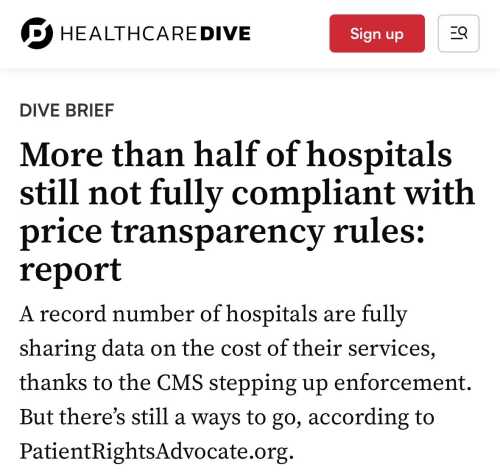
Like the transition from the gold standard to fiat currency, the global beauty industry is abandoning the tangible scarcity of physical product exclusivity for the engineered scarcity of proprietary biotech formulations and algorithmic consumer data.
The Catalyst: A Structural Inflection Point
The global beauty sector has crossed a structural Rubicon this quarter, marked by the European Union's final enforcement of the comprehensive PFAS ban in cosmetics, L'Oréal's strategic acquisition of a leading biotech ingredient startup, and the simultaneous launch of subscription-based AI dermatological diagnostics by major prestige retailers. Alongside Amazon's rollout of an authenticated luxury beauty storefront and the industry-wide mandate for 50% refillable primary packaging by mass-market conglomerates, these five converging developments signal the definitive end of the traditional product-push retail model, replacing it with a highly regulated, biotech-driven, and data-monetized ecosystem.
Echoes of the 1968 Clinique Computer
To contextualize this disruption, one must examine the 1968 introduction of the Clinique Computer, an in-store diagnostic tool that first attempted to medicalize the beauty retail experience by prescribing regimens based on consumer skin typing. That historical inflection point proved that when the industry shifts the narrative from cosmetic enhancement to clinical intervention, it successfully justifies premium pricing and fosters deep consumer dependency. Today’s AI diagnostic subscriptions and biotech acquisitions represent the exact equivalent of that 1968 shock, scaled to a digital, proprietary level. It is a rejection of the decentralized, trend-driven beauty paradigm in favor of a closed-loop, technologically integrated model that prioritizes data retention and clinical authority over traditional aesthetic aspiration.
The Biotech IP Moat and the End of Botanical Sourcing
The strategic pivot toward biotech fermentation, exemplified by L'Oréal's recent acquisition, fundamentally alters the financial mechanics of the supply chain. By internalizing the production of active ingredients through cellular agriculture, the conglomerate is effectively neutralizing the volatility of climate-dependent botanical sourcing and securing absolute intellectual property control. "We are no longer sourcing nature; we are programming it," notes Dr. Elena Rostova, Director of Cosmetic Chemistry at the Society of Cosmetic Chemists, highlighting how this shift transforms raw material procurement from a logistical challenge into a software engineering problem. This integration allows brands to artificially constrain the supply of high-efficacy actives, knowing that the proprietary biotech pathways cannot be legally or technically replicated by independent competitors, thereby protecting margin integrity in a post-inflationary environment.
The Artisanal Extinction: A Counter-Perspective on Market Consolidation
Critics of this aggressive biotech and regulatory consolidation argue that the mandate for proprietary, lab-engineered ingredients will fatally homogenize the market, stripping independent brands of their artisanal, botanical narratives. They contend that the capital expenditure required to navigate EU PFAS compliance and build biotech supply chains acts as an insurmountable barrier to entry, effectively locking out niche founders and leaving only mega-conglomerates capable of operating in the new paradigm. From this perspective, the industry's pursuit of clinical efficacy is merely a Trojan horse for monopolistic market clearance, designed to eliminate the vibrant, diverse indie sector that originally drove consumer innovation.
The SaaS Beauty Pivot and the Data Monetization Engine
Simultaneously, the launch of subscription-based AI dermatological diagnostics by major retailers reveals a massive structural shift in the unit economics of beauty retail. The physical counter is no longer the primary point of sale; the digital dermatologist is. "The physical counter is dead; the digital dermatologist is the new point of sale," states a senior retail analyst at Euromonitor International, noting that retailers are now monetizing the diagnostic interface rather than just the resulting product basket. According to a 2026 Bain & Company consumer goods report, personalized beauty tech subscriptions could capture up to 35% of premium sector margins by 2028. Brands are now forced to internalize the environmental and technological externalities of their distribution, utilizing AI not merely for marketing personalization, but as a mandatory mechanism for recurring revenue and consumer data capture.
The Algorithmic Skin Barrier Risk: A Counter-Perspective on AI Diagnostics
Conversely, consumer privacy advocates and clinical dermatologists argue that the gamification of skincare through subscription AI diagnostics reduces complex dermatological health to algorithmic upselling, risking severe consumer skin barrier damage. They contend that allowing proprietary retail algorithms to dictate hyper-personalized product stacking—often across multiple competing brands—creates a volatile chemical environment on the skin, driven by the platform's incentive to maximize basket size rather than optimize clinical outcomes. Furthermore, the continuous biometric data capture required for these subscriptions creates a permanent surveillance architecture, turning the consumer's face into a continuously monitored, monetized asset without adequate regulatory oversight regarding data sovereignty.
The Regulatory Market Clearing and the Mass Market Purge
Beneath the technological and biotech shifts lies a profound regulatory shockwave. The EU's final enforcement of the comprehensive PFAS ban, coupled with the mass-market mandate for 50% refillable packaging, acts as a brutal market-clearing mechanism. The unseen implication is the systematic eradication of the mid-tier mass market. Brands that rely on low-margin, high-volume, single-use plastic packaging and cheap, synthetic film-formers will find their unit economics inverted overnight. The cost of reformulating to comply with PFAS restrictions, combined with the capital expenditure required to engineer durable, refillable primary packaging, will force a wave of distressed asset acquisitions. The mass market will bifurcate into ultra-cheap, non-compliant grey market imports and premiumized, refillable mass-prestige hybrids, effectively hollowing out the traditional drugstore aisle.
Strategic Directives for the New Ecosystem
For Independent Brands and Local Retailers: Indie founders must immediately abandon the pursuit of scale in the mass market and pivot exclusively toward hyper-niche, biotech-compatible formulations or ultra-prestige refillable architectures. Local retailers should invest in interoperable, compliant AI diagnostic tools that operate as open-ecosystem platforms, positioning themselves as trusted, neutral nodes rather than walled gardens owned by conglomerates.
For Consumers and Private Investors: Consumers must proactively audit their "beauty stack" and demand transparent data privacy protocols from any brand requiring biometric scanning, treating their facial data with the same rigor as financial information. Investors should shift capital away from traditional packaging suppliers and toward biotech fermentation facilities and durable materials engineering firms that are currently monopolizing the compliant supply chain.
The Six-Month Horizon
Looking six months ahead to March 2027, the beauty landscape will have fully bifurcated into two distinct tiers: the ultra-exclusive, biotech-driven, AI-subscribed prestige market, and a severely depleted, refill-only mass market. We will witness a wave of consolidation where mid-tier heritage brands, unable to absorb the dual pressures of EU regulatory compliance and biotech R&D costs, are absorbed by larger conglomerates or forced into bankruptcy. Furthermore, the first major class-action lawsuits regarding algorithmic skin barrier damage from AI-recommended product stacking will hit the courts, forcing regulators to establish a new framework for "digital dermatological liability," permanently altering how beauty tech is deployed and insured.
Related Articles
The REACH Moment for the Vanity Table: How Biotech Fermentation, PFAS Bans, and Algorithmic Diagnostics Are Restructuring the Beauty Value Chain
Sep 23, 2026
The Beauty Repricing: How GLP-1 Macros and Algorithmic Triage Are Rewriting the Legacy Playbook
Sep 21, 2026
Comments (0)
No comments yet. Be the first to share your thoughts!
Want to join the discussion?
Please log in to post a comment.
Login NoworCreate an Account