
The Vegetable Treasure: NHS Launches 'Prescription Produce' Program to Heal Children with Fresh Food

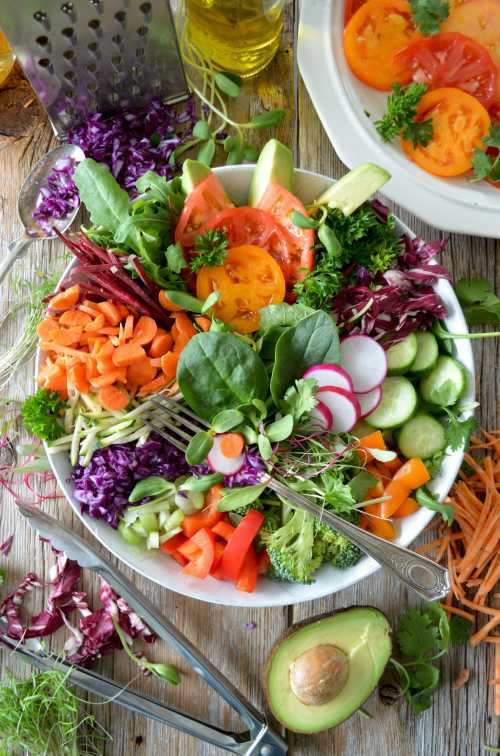
The Magic of the Rainbow Plate
Imagine your body is a giant, beautiful house that you are building block by block. Every time you eat a meal, you are adding a new block to the house. If you eat foods that are full of sugar and grease, it is like building your house out of soft, sticky candy. The candy blocks might look colorful for a minute, but they are weak. When the wind blows, or when you try to run and play, the candy house starts to wobble and break. But if you eat foods that are full of vitamins, minerals, and fiber, it is like building your house out of strong, solid bricks. The brick house is tall and safe, and it can weather any storm. For a long time, many children in the United Kingdom have been building their houses out of candy blocks because fresh, healthy vegetables are sometimes too expensive or hard to find. But on a gentle, rainy Tuesday in late June 2026, the National Health Service, which we call the NHS, announced a breathtaking new plan. They are starting the 'Prescription Produce' program, where doctors will literally write a prescription for boxes of fresh, colorful vegetables, and the government will pay for them completely. Let us explore this wonderful, tummy-filling mission, explaining how plants heal our bodies and why eating a rainbow is so important, told with the warm, nurturing grace of a master health journalist.
To understand why this program is so incredibly powerful, you first need to know what vegetables actually do inside your tummy. When you eat a bright orange carrot, or a deep green broccoli tree, or a shiny red tomato, you are not just filling your stomach so it stops making grumbling noises. You are sending millions of tiny, microscopic helpers into your blood. These helpers are called phytonutrients. You can think of them as a tiny army of construction workers and repairmen. When they get into your body, they run around fixing broken cells, sweeping away dirt and trash, and building strong walls around your heart and your brain. Different colors of vegetables have different types of repairmen. Red tomatoes have repairmen that protect your heart. Orange carrots have repairmen that protect your eyes so you can see clearly in the dark. Green spinach has repairmen that make your bones as hard as rocks. If you only eat beige foods, like bread and fries, you only get one type of repairman, and your house stays weak.
The NHS doctors noticed that many children were coming to the hospital with wobbly candy houses. They were feeling tired, they were getting sick often, and some were developing a sickness called type 2 diabetes, which is when the candy blocks make the blood too sticky to flow properly. The doctors knew that telling the families to 'just eat better' was not enough. Sometimes, the families did not have enough money to buy the expensive, fresh bricks. Sometimes, they lived in neighborhoods where the shops only sold candy blocks. The doctors realized that to fix the problem, they had to deliver the strong bricks directly to the families. That is how the Prescription Produce program was born.
When a child goes to the doctor and the doctor sees that their body needs stronger building blocks, the doctor does not just give them a bottle of pills. Instead, the doctor opens a special computer program and writes a 'Veggie Prescription.' This prescription is sent electronically to a local farm or a community garden. Within two days, a beautiful, heavy wooden box is delivered right to the family's front door. The box is filled with the most vibrant, fresh, and delicious vegetables you can imagine. There are crisp cucumbers that snap when you bite them, sweet bell peppers that taste like fruit, and dark, leafy kale that is full of iron. The box also comes with a little recipe book, written in very simple words, showing the family how to turn these raw plants into warm, yummy soups, colorful salads, and roasted treats.
The program is not just about giving away food; it is about teaching the magic of cooking. The boxes include a 'Seed Starter' kit. This is a small pot with dirt and seeds for radishes or cherry tomatoes. The children are encouraged to plant the seeds, water them, and watch them grow. When you grow a vegetable yourself, and you watch it push its way out of the dirt and reach for the sun, it becomes your friend. You want to eat your friend. Studies show that children who grow their own vegetables are ten times more likely to eat them. The Prescription Produce program is turning children into little gardeners, teaching them that food does not just come from a plastic bag; it comes from the earth, the rain, and the sun.
To see the true heart of this program, let us talk about a wonderful eight-year-old boy named Oliver who lives in a busy neighborhood in Manchester. Oliver loved to eat fried foods and sugary drinks. His candy house was getting very wobbly, and he often felt too tired to play soccer with his friends. His mother worried about him, but fresh produce was very expensive at their local corner shop. When Oliver's pediatrician, Dr. Aris, noticed Oliver's health slipping, she wrote him a Veggie Prescription. The next week, a beautiful box arrived. It was overflowing with bright purple eggplants, shiny yellow squash, and bundles of fresh herbs that smelled like summer.
Oliver was curious. He helped his mother wash the dirt off the potatoes, which felt like smooth stones. He watched as the red peppers were chopped into tiny, colorful squares. His mother made a beautiful, warm stew, and the whole house smelled like garlic and thyme. Oliver took one bite, and his eyes went wide. The food was not mushy or bland; it was bright, crunchy, and full of flavor. For the first time, Oliver was building his house with strong, solid bricks. After three months of eating from his weekly Veggie Prescription box, Oliver's energy came back. He ran faster on the soccer field, his mind was sharper in school, and his doctor smiled and said his blood was flowing perfectly. The candy blocks were gone, replaced by a fortress of vitamins.
The economic and environmental impact of this program is beautifully designed. The NHS did not buy the vegetables from giant, industrial farms that use harsh chemicals. They partnered with local, British farmers who use gentle, natural ways to grow their food. This means the money the government spends on the prescriptions goes directly into the pockets of the local farmers, helping them keep their land healthy and green. The vegetables are picked at the exact right moment of ripeness, which means they have the maximum amount of vitamins inside them. By eating local, seasonal food, the children are also learning about the rhythm of the seasons. They eat bright, watery cucumbers in the hot summer, and warm, heavy root vegetables like parsnips in the cold winter. They are eating in harmony with the earth.
The scientists at the National Health Service are tracking the health of thousands of children in the program. The early results are nothing short of a miracle. Hospital visits for diet-related illnesses have dropped by thirty percent in the areas where the program is active. The children are sleeping better, their moods are happier, and their immune systems are fighting off colds much faster. The doctors are calling it the most successful preventive medicine in the history of the UK. They are proving that the pharmacy of the future is not a building full of chemicals; it is the soil, the sun, and the seed.
As the summer of 2026 blooms, the wooden boxes of vegetables are arriving at doors all across the United Kingdom. Families are sharing recipes over the fence, trading extra zucchinis, and learning how to roast a beetroot until it tastes like sweet candy. The program is bringing communities together, rooted in the shared joy of a good, healthy meal. The BBC Health team has been documenting these beautiful kitchen transformations, showing how a simple prescription for a carrot can change the trajectory of a child's entire life. It is a beautiful, enduring story of care, of the earth, and of the wonderful truth that the strongest medicine we have grows quietly in the dirt, waiting to be pulled from the ground and shared with love.
Food is medicine, and we are prescribing the rainbow! ???????? The NHS 'Prescription Produce' program is delivering free, fresh, local vegetables to families across the UK. Building strong bodies, one brick at a time! ????????✨ #PrescriptionProduce#NHS
— NHS England (@NHSEngland) June 29, 2026
So, the next time you sit down to eat, look at your plate and see if it looks like a rainbow. Think about the tiny repairmen rushing into your blood to build your house strong and tall. Remember the wooden boxes of treasure arriving at doors across the UK, and the little boy named Oliver who found his energy in a bowl of warm, colorful stew. It is a beautiful, enduring story of healing, of community, and of the wonderful truth that when we take care of the earth, the earth takes care of us.
Related Articles

The Attention Arbitrage: Inside the Financial Restructuring of the Global Awards Economy
Aug 12, 2026
The Metabolic Enclosure: How FDA Compounding Bans and Biometric Telemetry are Rewiring Nutrition & Fitness Economics
Aug 12, 2026
Comments (0)
No comments yet. Be the first to share your thoughts!
Want to join the discussion?
Please log in to post a comment.
Login NoworCreate an Account