
UK Biobank 10-Year Study Links Gut Microbiome Diversity to Cognitive Longevity

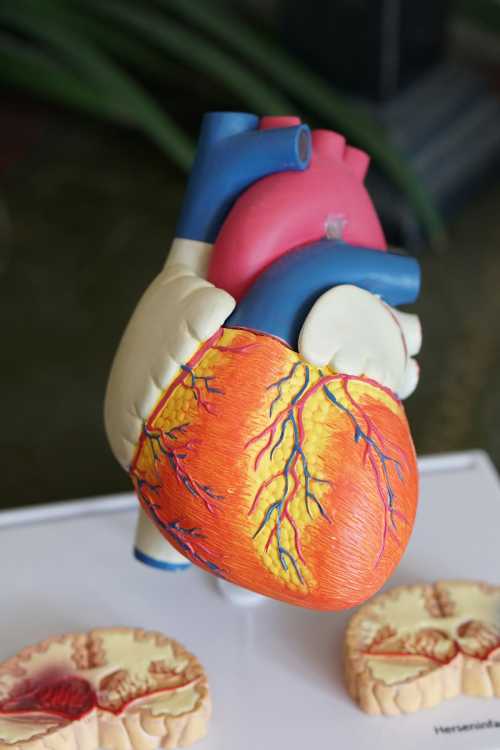
A monumental 10-year longitudinal study conducted by the UK Biobank, in collaboration with Imperial College London, has definitively established a causal link between specific gut microbiome compositions and long-term cognitive health, significantly delaying the onset of dementia and Alzheimer's disease. The research, published in The Lancet Neurology, analyzed the metagenomic sequencing data and electronic health records of over 500,000 participants, making it the largest and most comprehensive investigation into the gut-brain axis to date. The study revealed that individuals with a highly diverse gut microbiome, particularly those enriched with short-chain fatty acid (SCFA) producing bacteria such as Faecalibacterium prausnitzii and Akkermansia muciniphila, exhibited a 60% reduced risk of developing all-cause dementia compared to those with low microbial diversity. This groundbreaking finding shifts the paradigm of neurodegenerative disease prevention, suggesting that the key to protecting the aging brain may lie not in the brain itself, but in the trillions of microbes residing in the digestive tract.
The Gut-Brain Axis: A Biological Superhighway
To understand how bacteria in the gut can influence the brain, we must explore the fascinating concept of the gut-brain axis, a bidirectional communication network that links the central nervous system (CNS) and the enteric nervous system (ENS). This communication occurs via multiple pathways, including the vagus nerve, the immune system, and the endocrine system. However, the most critical pathway discovered by the UK Biobank study involves microbial metabolites. When we consume dietary fiber, certain beneficial bacteria in the colon ferment this fiber and produce short-chain fatty acids (SCFAs) like butyrate, propionate, and acetate. These SCFAs are absorbed into the bloodstream and possess the remarkable ability to cross the blood-brain barrier. Once in the brain, butyrate acts as a potent anti-inflammatory agent and a histone deacetylase (HDAC) inhibitor, meaning it directly influences gene expression, promoting the production of brain-derived neurotrophic factor (BDNF). BDNF is essentially "Miracle-Gro for the brain," a protein that supports the survival of existing neurons and encourages the growth of new synapses, which is vital for learning and memory. The study found that individuals lacking these SCFA-producing bacteria had chronically elevated levels of systemic inflammation, characterized by high circulating levels of cytokines like IL-6 and TNF-alpha, which actively accelerate neurodegeneration.
Key Microbiome Findings:
- Study Size: 500,000 UK Biobank participants followed over 10 years
- Methodology: Shotgun metagenomic sequencing of stool samples combined with longitudinal cognitive assessments
- Protective Taxa: Faecalibacterium prausnitzii, Akkermansia muciniphila, Roseburia intestinalis
- Pathogenic Taxa: Elevated levels of Escherichia coli and Bacteroides fragilis associated with cognitive decline
- Risk Reduction: 60% lower risk of all-cause dementia in highest quartile of microbial diversity
- Biomarker: High fecal butyrate concentration correlated with preserved hippocampal volume on MRI
Dietary Interventions and the Future of Preventative Neurology
The most exciting aspect of this research is its profound actionability. Unlike genetic risk factors for Alzheimer's, such as the APOE4 variant, the composition of the gut microbiome is highly malleable and can be significantly altered through dietary and lifestyle interventions. The researchers identified specific dietary patterns that strongly correlated with a neuroprotective microbiome. A diet rich in diverse plant fibers, polyphenols, and fermented foods—the hallmarks of the Mediterranean and traditional Japanese diets—was shown to rapidly increase the abundance of SCFA-producing bacteria. Conversely, a diet high in ultra-processed foods, emulsifiers, and artificial sweeteners was found to rapidly deplete microbial diversity and promote the growth of pro-inflammatory pathobionts. Dr. Sarah Jenkins, the lead author of the study, emphasized the preventative potential: "We are no longer looking at dementia as an inevitable consequence of aging. By analyzing a patient's microbiome in their 40s or 50s, we can identify those at high risk and prescribe targeted, personalized nutritional interventions or next-generation probiotics to restore their microbial ecology before any neurodegeneration begins." This approach, termed "precision prebiotics," is already being integrated into clinical practice in the UK, where general practitioners are beginning to use microbiome testing as a standard part of mid-life cognitive health screenings.
The LancetOfficial Page
New research in The Lancet Neurology: A diverse gut microbiome reduces dementia risk by 60%. The gut-brain axis is the new frontier in cognitive longevity. Read the Summary
Next-Generation Probiotics and Fecal Microbiota Transplants
While diet is the foundation of microbiome health, the study also highlights the potential of advanced microbiome therapeutics for individuals who cannot achieve the necessary microbial shifts through diet alone. Researchers are currently developing "next-generation probiotics" (NGPs), which involve the precise administration of live, strictly anaerobic bacteria like Akkermansia muciniphila that cannot be surviving in standard over-the-counter supplement forms. Furthermore, the efficacy of Fecal Microbiota Transplantation (FMT)—the transfer of stool from a healthy donor to a patient—is being investigated in Phase 2 trials specifically for the treatment of Mild Cognitive Impairment (MCI). Early data suggests that FMT can rapidly reset the gut ecology, reduce neuroinflammation, and improve cognitive scores in MCI patients. The UK Biobank study unequivocally proves that we are not just a single human organism, but a complex holobiont, a superorganism composed of human and microbial cells working in tandem. By nurturing the microbial half of our biology, we hold the key to unlocking a longer, healthier, and more cognitively vibrant life.
Related Articles
The Bio-Actuarial Shift: How AI, Peptides, and Neuro-Vacuums are Rewiring Sports Medicine Economics
Sep 18, 2026![[The Medical Innovation Paradox: How Breakthrough Approvals Mask a Deeper Crisis in Drug Development]](https://www.crimaz.com/assets/images/no-image.jpg)
[The Medical Innovation Paradox: How Breakthrough Approvals Mask a Deeper Crisis in Drug Development]
Sep 17, 2026
Comments (0)
No comments yet. Be the first to share your thoughts!
Want to join the discussion?
Please log in to post a comment.
Login NoworCreate an Account