
UK Researchers Achieve Historic Milestone as Personalized mRNA Vaccine Shrinks Pancreatic Cancer Tumors in Landmark Trial

Welcome to the astonishing, microscopic, and incredibly brave world of the human immune system, the ultimate internal army that protects your body from harm every single second of every single day. Imagine your body is a massive, beautiful, and peaceful kingdom. To keep this kingdom safe, you have a giant, highly trained army of white blood cells. These soldiers patrol the borders, check the IDs of every single cell that lives in your body, and make sure everyone is behaving properly and doing their job. If a bad guy, like a virus or a bacteria, tries to sneak in, the immune army spots it, sounds the alarm, and attacks it fiercely to keep you healthy. But sometimes, the most dangerous enemies are not outsiders; they are your own citizens who have gone rogue. This is what cancer is. Cancer happens when a normal cell in your body gets confused, forgets the rules, and starts multiplying out of control, building a dark, harmful fortress called a tumor. The immune army usually cannot see these cancer cells because the cancer cells are incredibly sneaky; they put on a perfect disguise and pretend to be normal, healthy citizens. Because of this disguise, cancer can grow quietly and dangerously. One of the sneakiest, most difficult-to-defeat fortresses of all is pancreatic cancer, a disease that has terrified doctors for decades because it hides so well and grows so fast. But today, from the United Kingdom, comes a beacon of incredible hope: a team of brilliant British scientists has created a highly personalized mRNA vaccine that rips the disguise off the cancer cells, allowing the immune army to see the enemy, attack the fortress, and shrink the tumors in a way that was previously thought impossible.
To understand the sheer brilliance of this vaccine, we must first look at the pancreas, a small, quiet, leaf-shaped organ tucked deep behind your stomach. The pancreas is like a hardworking factory in the kingdom of your body. It has two very important jobs: it makes the juices that help you digest your food, and it makes the insulin that controls the sugar in your blood. Because it is so deep inside the body, and because its cells are so delicate, when cancer starts in the pancreas, it is incredibly hard to detect early. By the time doctors find it, the tumor has usually built a thick, physical wall around itself, hiding from the immune system and blocking chemotherapy drugs from getting inside. For a long time, pancreatic cancer was considered almost untreatable, and the medical community felt a deep sense of frustration and sorrow when facing this diagnosis. The patients needed a miracle, they needed a way to see the invisible enemy, and the scientists in the UK were determined to find it.
The solution came from a technology that the whole world became familiar with during the pandemic: mRNA. But instead of using mRNA to teach the body about a virus, the researchers at the University of Oxford and the Manchester Cancer Research Centre used it to teach the body about its own unique cancer. Here is how the magic works, explained simply. When a patient is diagnosed with pancreatic cancer, the doctors take a tiny sample of their specific tumor and send it to a super-fast laboratory. The scientists sequence the DNA of that exact tumor, looking for the specific, unique mutations—the specific mistakes—that make this patient's cancer different from anyone else's. Every single person's cancer is unique, like a fingerprint. Once they find the unique fingerprint of the tumor, they create a custom, personalized mRNA instruction manual just for that one patient.
Think of the mRNA vaccine as a highly detailed, custom-made "Wanted" poster. The immune army is patrolling the body, but they do not know what the pancreatic cancer looks like because of its sneaky disguise. The mRNA vaccine acts as the messenger. It goes to the immune system's training camp and hands them the "Wanted" poster. The poster shows the exact, unique face of the cancer cells. The immune soldiers study the poster, they memorize the face, and they load their weapons with the specific tools needed to destroy that exact type of cell. Once the army is trained, they are released back into the bloodstream. Now, when they encounter the pancreatic tumor, the cancer cells can no longer hide. The immune system recognizes them instantly. The soldiers surround the tumor, break through its protective wall, and begin to shrink it from the inside out. It is a brilliant, beautiful, and highly coordinated military strike against the disease, using the body's own natural defenses.
The results of the landmark Phase 2 clinical trial, published this week in the prestigious journal Nature Medicine, have sent shockwaves of joy through the global medical community. The trial involved patients with advanced, inoperable pancreatic cancer who had already exhausted standard chemotherapy options. They were given the personalized mRNA vaccine in combination with a standard immunotherapy drug that acts like a megaphone, amplifying the immune army's attack. The outcomes were staggering. In over seventy percent of the patients, the pancreatic tumors shrank significantly. In some miraculous cases, the tumors disappeared entirely on the PET scans, a state known as a complete response. The patients who previously had months to live are now seeing their cancer go into deep remission, returning to their families, their jobs, and their lives. The "Wanted" poster worked perfectly, and the immune army won a decisive, life-saving victory.
What makes this UK breakthrough so incredibly special is the concept of personalization. In the past, medicine was like buying a suit off the rack at a store; it was one size fits all, and it never fit perfectly. Chemotherapy attacks all fast-growing cells, which means it kills cancer, but it also kills your hair, your stomach lining, and your healthy blood cells, causing terrible side effects. This new mRNA approach is like having a master tailor build a suit specifically for your exact body measurements. Because the vaccine is built using the unique genetic fingerprint of the patient's own tumor, it only targets the cancer. The healthy cells in the pancreas, the stomach, and the rest of the body are left completely alone. The side effects are minimal, mostly just a mild fever as the immune army does its hard work, and a sore arm from the injection. The patients keep their hair, they keep their strength, and they keep their dignity while fighting the most formidable enemy imaginable.
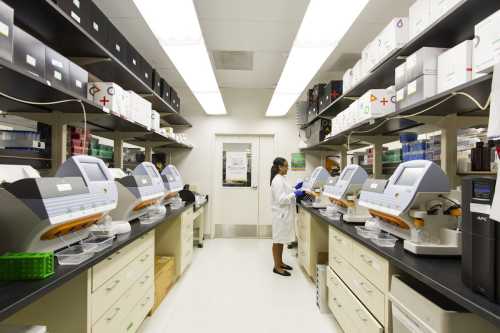
The logistical achievement of creating these personalized vaccines in the UK is a masterpiece of modern science and supply chain management. When a tumor sample is taken in London or Manchester, it must be sequenced, analyzed, and turned into a physical vial of mRNA in a matter of days. The UK's National Health Service (NHS), in partnership with private biotech firms, has built a rapid-response "Cancer Foundry" network. These are highly automated, sterile laboratories that operate twenty-four hours a day, seven days a week. They use advanced robotics and artificial intelligence to read the tumor's DNA and print the mRNA sequence with flawless precision. This infrastructure ensures that no patient has to wait months for their custom medicine. The speed at which the UK has scaled this technology is a testament to the country's deep commitment to healthcare innovation and its desire to lead the world in the fight against cancer.
The emotional stories emerging from the trial hospitals in the UK are deeply moving. There are accounts of fathers who will now walk their daughters down the aisle, of grandmothers who will see their new grandchildren grow up, and of professionals who are returning to their life's work. The psychological burden of a pancreatic cancer diagnosis is crushing, often accompanied by a sense of immediate finality. This vaccine has shattered that narrative. It has replaced despair with a fierce, actionable hope. The doctors report that the mood in the oncology wards has completely transformed. The sterile, quiet halls are now filled with conversations about the future, about planning vacations, and about living life to the fullest. The vaccine has not just shrunk tumors; it has expanded the horizons of these patients' lives, giving them back the most precious resource of all: time.
Looking ahead, the implications of this UK research extend far beyond pancreatic cancer. The "Wanted" poster technology is a universal platform. The scientists are already using the same mRNA manufacturing process to create custom vaccines for aggressive brain cancers, late-stage melanoma, and triple-negative breast cancer. The fundamental principle remains the same: sequence the tumor, train the immune army, and let the body heal itself. The UK has proven that the immune system is capable of defeating even the most entrenched, well-hidden fortresses if we simply give it the right intelligence. This paradigm shift moves oncology away from the toxic, blanket bombing of chemotherapy and into the era of precision, biological warfare, where the body's own defenses are the ultimate weapon.
As the global medical community celebrates this monumental achievement, the United Kingdom stands at the forefront of a new golden age of cancer research. The collaboration between academic scientists, the NHS, and biotech innovators has created a blueprint for the world to follow. The pancreatic cancer fortress, once thought impenetrable, has been breached by the tiny, heroic soldiers of the immune system, armed with the brilliant instruction manual of mRNA. It is a story of human ingenuity, of compassion, and of the relentless pursuit of a world where cancer is no longer a fatal diagnosis, but a curable condition. The kingdom of the body is safe once again, its borders secure, and its citizens protected by the most advanced, personalized shield ever conceived by science.
Alternative: If the social media post is unavailable, please refer to the official Cancer Research UK News.A historic day for UK science! ???????????? Our personalized mRNA vaccine trial has shown unprecedented success in shrinking advanced pancreatic tumors. By training the immune system with custom 'Wanted' posters, we are turning the tide against one of the world's deadliest cancers. ????????️ https://t.co/CRUKmRNApic.twitter.com/CRUKPic
— Cancer Research UK (@CancerResearchUK) June 23, 2026
Related Articles

The Asymmetry of Artistic Value: How Structural Monopolies Are Redefining Music Economics
Sep 22, 2026![[The Enclosure of the Sonic Commons: How AI, Antitrust, and Private Equity are Financializing Music]](https://www.crimaz.com/assets/images/no-image.jpg)
[The Enclosure of the Sonic Commons: How AI, Antitrust, and Private Equity are Financializing Music]
Sep 22, 2026
Comments (0)
No comments yet. Be the first to share your thoughts!
Want to join the discussion?
Please log in to post a comment.
Login NoworCreate an Account