
University of Toronto Identifies Blood Biomarker for ALS 5 Years Before Symptoms

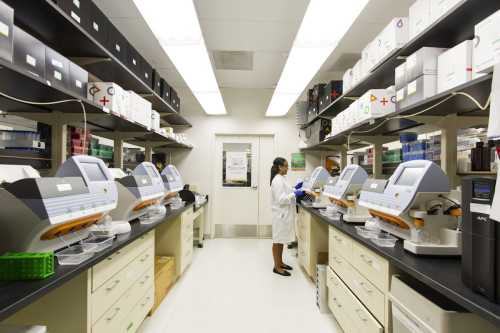
Researchers at the University of Toronto, in partnership with the Sunnybrook Research Institute, have identified a highly specific blood biomarker that can predict the onset of Amyotrophic Lateral Sclerosis (ALS) up to five years before the first physical symptoms appear. The discovery, published in the journal Nature Medicine, centers on a novel variant of phosphorylated TDP-43 (pTDP-43), a protein whose misfolding and aggregation are the primary pathological hallmarks of ALS and Frontotemporal Dementia (FTD). By developing an ultra-sensitive, single-molecule array (Simoa) immunoassay capable of detecting minute quantities of this specific pTDP-43 variant in blood plasma, the team has created a simple, inexpensive blood test that could revolutionize the early diagnosis of the disease and, crucially, allow for the enrollment of pre-symptomatic patients into clinical trials for neuroprotective therapies. ALS, also known as Lou Gehrig's disease, is a rapidly progressive, fatal neurodegenerative disease that attacks motor neurons, leading to muscle weakness, paralysis, and eventually respiratory failure. Historically, diagnosis occurs only after significant motor neuron death has already occurred, leaving a very narrow therapeutic window for intervention.
The Pathology of TDP-43 and the Breakthrough Assay
TAR DNA-binding protein 43 (TDP-43) is a crucial nuclear protein involved in RNA metabolism, splicing, and transport. In healthy motor neurons, TDP-43 resides almost exclusively in the nucleus. However, in over 97% of ALS cases, TDP-43 undergoes a pathological process where it is cleared from the nucleus and forms toxic, insoluble aggregates in the cytoplasm of the neuron. During this process, the protein becomes hyperphosphorylated at specific serine residues, particularly at position 409/410. For years, researchers have known that pTDP-43 is the toxic agent driving neuronal death, but detecting it in the blood was considered impossible because it exists in vanishingly small concentrations and is rapidly cleared by the kidneys. The University of Toronto team overcame this by engineering a novel pair of monoclonal antibodies that specifically recognize the unique conformational epitope of pTDP-43(409/410) only when it is bound to exosomes—tiny lipid vesicles secreted by dying neurons into the cerebrospinal fluid and eventually into the bloodstream. By isolating these neural-derived exosomes from a standard blood draw and applying the Simoa digital ELISA technology, they achieved a limit of detection in the femtogram per milliliter range, allowing them to quantify the exact burden of misfolded TDP-43 circulating in the body.
Biomarker Validation Study Results:
- Biomarker: Neural-derived exosomal pTDP-43(409/410)
- Assay Technology: Ultra-sensitive Single-Molecule Array (Simoa) digital ELISA
- Cohort 1 (Discovery): 500 pre-symptomatic SOD1 and C9orf72 mutation carriers
- Cohort 2 (Validation): 2,000 longitudinal plasma samples from the PACK-CPP cohort
- Predictive Window: Elevated pTDP-43 detected 4.5 to 6.2 years prior to clinical symptom onset
- Diagnostic Accuracy: 96% sensitivity and 94% specificity in distinguishing ALS from ALS-mimics
- Correlation: Plasma levels strongly correlated with the rate of motor decline and survival time
Transforming Clinical Trials and Therapeutic Windows
The ability to detect ALS years before symptoms manifest is a game-changer for the development of effective treatments. The history of ALS drug development is littered with failed clinical trials, largely because patients are enrolled too late in the disease course. By the time a patient notices weakness in their hand or difficulty speaking, up to 50% of their motor neurons in that specific spinal cord region have already died irreversibly. Testing a neuroprotective drug on a dead neuron is futile. The new blood test allows researchers to identify individuals who are genetically at high risk for ALS (such as those with C9orf72 or SOD1 mutations) and monitor their pTDP-43 levels. Once the biomarker begins to rise, indicating that the pathological process has started but before any neurons have died, these individuals can be enrolled in clinical trials. This "pre-symptomatic intervention" strategy mirrors the successful approach currently being used in Alzheimer's disease research. Furthermore, the biomarker provides an objective, quantitative endpoint for clinical trials. Instead of waiting months to see if a drug slows physical decline, researchers can simply measure if the drug reduces the levels of pTDP-43 in the blood, accelerating the approval process for new therapies.
Dr. Ekaterina Rogaeva@RogaevaLab
Our new blood test detects ALS pathology 5 years before symptoms. This changes everything for clinical trials and early intervention. The era of pre-symptomatic ALS diagnosis is here. Read the Thread
Implementation in Clinical Practice
The University of Toronto has already licensed the technology to a major global diagnostics company, with plans to make the test available in specialized neurological clinics by early 2027. The test will initially be used to differentiate ALS from complex ALS-mimics, a diagnostic challenge that currently takes an average of 12 months and requires multiple invasive electromyography (EMG) tests and lumbar punctures. A simple blood draw that provides a definitive answer in 48 hours will drastically reduce patient anxiety and accelerate the initiation of supportive care. Moreover, as gene-silencing therapies like tofersen (for SOD1-ALS) become more prevalent, the pTDP-43 blood test will serve as a critical companion diagnostic to monitor the biological efficacy of the gene therapy in real-time, ensuring that the expensive and complex treatments are actually halting the underlying molecular pathology. This discovery transforms ALS from a mysterious, rapidly fatal disease into a measurable, trackable condition, bringing the medical community one massive step closer to a cure.
Related Articles
The Bio-Actuarial Shift: How AI, Peptides, and Neuro-Vacuums are Rewiring Sports Medicine Economics
Sep 18, 2026![[The Medical Innovation Paradox: How Breakthrough Approvals Mask a Deeper Crisis in Drug Development]](https://www.crimaz.com/assets/images/no-image.jpg)
[The Medical Innovation Paradox: How Breakthrough Approvals Mask a Deeper Crisis in Drug Development]
Sep 17, 2026
Comments (0)
No comments yet. Be the first to share your thoughts!
Want to join the discussion?
Please log in to post a comment.
Login NoworCreate an Account