
Healthcare Policy September 2026: Five Critical Shifts Reshaping America's Medical Landscape

Like a surgeon's scalpel making precise incisions, September 2026 has exposed the fragile anatomy of American healthcare policy—revealing both the diseased tissue requiring removal and the healthy organs worth preserving.
The Transparency Paradox: Compliance Without Clarity
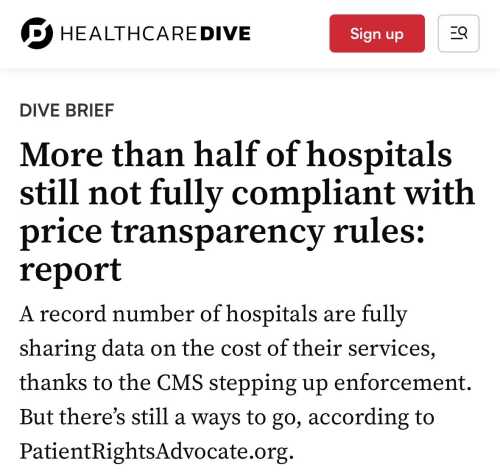
Five years after hospital price transparency regulations took effect, a September 11, 2026 report from PatientRightsAdvocate.org reveals that 51% of U.S. hospitals still fail to fully comply with federal disclosure requirements [[44]]. While this represents improvement from 2024 levels, the achievement rings hollow when examining the quality of disclosed information.
Of the 49% achieving technical compliance, merely 18% posted actual dollar-and-cents pricing for at least half of their services [[44]]. The remainder deploy algorithmic obfuscation—mathematical formulas requiring PhD-level comprehension rather than the transparent pricing consumers need to make informed decisions.
"CMS has made progress enforcing its hospital transparency rules, but this report shows that most hospitals still owe patients clear, usable dollars-and-cents prices they can look up before receiving care."
— Cynthia Fisher, Founder and Chairman, PatientRightsAdvocate.org [[44]]
The Centers for Medicare & Medicaid Services has escalated enforcement, fining 28 hospitals (up from 15 in November 2024) and issuing warnings to over 500 facilities [[44]]. Non-compliant hospitals face penalties reaching $2 million annually—a figure designed to sting but one that remains negligible for health systems operating billion-dollar budgets.
The Administrative Burden Counterweight
Hospital administrators argue that compliance demands steep upfront investment, ongoing maintenance costs, and technical complexity that divert resources from patient care [[44]]. The American Hospital Association contends that current regulations prioritize form over function, forcing facilities to dedicate IT budgets to checkbox compliance rather than meaningful price communication.
This objection carries weight when considering that rural hospitals operating on 2-3% profit margins must allocate six-figure sums to develop machine-readable files that patients rarely access. The tension between transparency ideals and operational reality reveals a policy designed in boardrooms rather than billing departments.
Medicaid Work Requirements: The September Guidance Gambit
On September 8, 2026, CMS released critical guidance on medical frailty exclusions from Medicaid work requirements scheduled for January 1, 2027 implementation [[4]]. The three-tiered verification framework attempts to operationalize statutory exemptions for individuals with serious medical conditions, disabling mental disorders, substance use disorders, and developmental disabilities.
Tier 1 covers conditions automatically qualifying as significantly impairing work ability. Tier 2 requires supplementary data—co-morbidities, pharmacy records, or functional assessments. Tier 3 triggers individualized review demanding extensive documentation [[4]].
The American Medical Association filed an amicus brief supporting 25 states challenging the June 3 Interim Final Rule's narrowed medical frailty definition, arguing it imposes an impairment standard exceeding statutory language [[4]]. The organization warns that procedural complexity will cause widespread disenrollment of eligible individuals for administrative rather than eligibility reasons.
According to KFF tracking, states must implement work requirements by January 1, 2027, mandating 80 hours monthly of work, education, job training, volunteering, or earning at least $580 monthly [[49]][[54]]. The Congressional Budget Office estimates work requirements will reduce federal Medicaid spending by $326 billion over 10 years—savings achieved primarily through coverage loss rather than increased employment [[16]].
The Coverage Churn Conundrum
Research from states that previously implemented work requirements demonstrates that administrative burden—not employment status—drives coverage loss. Arkansas's 2018 experiment resulted in 18,000 beneficiaries losing coverage despite 99% meeting work requirements, primarily due to reporting complexities.
State Medicaid directors face a logistical nightmare: building verification systems, processing exemptions, and conducting outreach within compressed timelines while managing concurrent redetermination processes from the post-pandemic eligibility unwind. The guidance's suggestion that states may use diagnosis codes for ex parte reviews offers limited relief when electronic health records rarely capture functional limitations affecting work capacity.
FDA Leadership at the Crossroads: The Overton Nomination
Dr. Heidi Overton's September 24, 2026 confirmation hearing before the Senate HELP Committee represents more than routine personnel action—it signals a fundamental philosophical reckoning for the Food and Drug Administration [[59]]. Nominated August 19, 2026, the current Domestic Policy Council deputy director faces scrutiny over previous vaccine-related statements that concern even some Republican senators [[1]].
Senator Bill Cassidy (R-LA), committee chairman, has expressed reservations about Overton's nomination, creating an unusual intra-party dynamic [[1]]. The hearing occurs as the FDA grapples with regulating generative AI-enabled medical devices, overseeing novel drug pricing frameworks, and maintaining public trust in vaccine safety following pandemic-era politicization.
The agency simultaneously plans to create two new deputy commissioner positions—one focused on technology and AI, another on drugs—reflecting evolving regulatory priorities [[1]]. This restructuring acknowledges that 21st-century medical innovation outpaces traditional approval pathways.
The Innovation-Safety Equilibrium
Critics argue that leadership prioritizing deregulation risks repeating historical mistakes—the thalidomide tragedy of the 1960s or the opioid crisis of the 2000s both stemmed from insufficient safety scrutiny. Proponents counter that excessive caution delays life-saving treatments, citing that the average drug approval timeline of 10-15 years costs patients denied access to breakthrough therapies.
The confirmation outcome will determine whether the FDA pivots toward accelerated approval pathways favored by the current administration or maintains evidence-based review standards championed by career scientists. This decision carries implications beyond pharmaceuticals—affecting medical device regulation, food safety, and tobacco oversight.
Pharmaceutical Pricing: The Most-Favored-Nation Expansion
President Trump's August 31, 2026 announcement of nine additional pharmaceutical manufacturers joining most-favored nation (MFN) pricing agreements brings the total to 26 companies representing 90% of the domestic market [[67]][[70]]. Under these voluntary deals, manufacturers provide Medicaid programs MFN prices—matching rates paid by other developed nations—while committing to U.S. manufacturing investments and Strategic Active Pharmaceutical Ingredients Reserve contributions [[1]].
The administration claims these agreements cover 89% of brand-name drugs, achieving through negotiation what previous legislative efforts failed to accomplish [[69]]. The deals emerged from an executive order signed May 12, 2025, demonstrating executive action's capacity to reshape pharmaceutical economics absent congressional legislation [[71]].
However, the voluntary nature raises questions about sustainability. Manufacturers may accept MFN pricing for existing products while launching new drugs at premium prices or delaying U.S. market entry—a strategy observed in international reference pricing implementations abroad.
The Innovation Investment Dilemma
Pharmaceutical executives argue that reduced revenue from price controls diminishes R&D budgets, ultimately reducing breakthrough drug development. The industry consistently cites that bringing a new drug to market costs $2.3 billion and requires 10-15 years—figures contested by independent researchers who estimate actual costs at $1 billion or less when accounting for tax benefits and failed trial write-offs.
Health economists note that pharmaceutical companies allocate twice as much to marketing as R&D, suggesting that pricing pressure might redirect spending rather than stifle innovation. The MFN agreements' manufacturing investment commitments attempt to balance affordability with domestic production capacity—a geopolitical consideration amplified by pandemic-era supply chain vulnerabilities.
The Silent Crisis: Physician Mental Health Recognition
House Resolution 1519, introduced by Representatives Haley Stevens (D-MI) and Brian Fitzpatrick (R-PA), designated September 17, 2026, as National Physician Suicide Awareness Day [[4]]. The bipartisan resolution acknowledges that 6 in 10 physicians experience heightened anger, tearfulness, or anxiety, while 7 in 10 report stigma surrounding mental health care seeking [[4]].
AMA President Dr. Willie Underwood III stated: "Physicians dedicate their lives to caring for others, yet too many are struggling to care for themselves. Workforce shortages, the frustration and lost productivity caused by relentless prior authorization demands, and the financial pressures of running a medical practice are taking a toll on physicians' mental health" [[4]].
The resolution arrives as physician suicide rates remain 40% higher than the general population, with female physicians facing particularly elevated risk. Medical licensing boards' invasive mental health inquiries create perverse incentives—physicians avoid treatment to protect careers, exacerbating underlying conditions.
Beyond Symbolic Recognition
Critics argue that awareness days constitute performative policymaking absent structural reforms addressing root causes: administrative burden consuming 2 hours on paperwork for every 1 hour of patient care, declining autonomy as private equity acquisitions transform practices into corporate employment, and compensation pressure from stagnant reimbursement rates.
Meaningful intervention requires licensing reform removing mental health questions unrelated to current impairment, institutional support systems replacing punitive peer review, and cultural transformation destigmatizing vulnerability in a profession built on infallibility expectations.
Six-Month Forecast: The Convergence Point
By March 2027, these five policy threads will intersect, creating compound effects exceeding their individual impacts:
- Hospital Consolidation Acceleration: Price transparency enforcement costs and Medicaid work requirement administrative burdens will push marginal facilities toward merger or closure, particularly affecting rural hospitals already operating on precarious finances.
- Coverage Loss Cascade: Medicaid work requirements implementation will trigger coverage loss for an estimated 1-3 million beneficiaries—not from ineligibility but from procedural failures, documentation gaps, and system errors. Uncompensated care costs will shift to commercial payers, accelerating premium increases.
- FDA Regulatory Recalibration: A confirmed Dr. Overton will likely accelerate the RAPID coverage pathway for breakthrough devices (announced August 7, 2026) while relaxing generative AI oversight, creating tension with patient safety advocates and career staff.
- Pharmaceutical Market Distortion: MFN pricing will produce apparent Medicaid savings while manufacturers adjust launch strategies, potentially delaying U.S. introduction of novel therapies or prioritizing non-MFN product lines.
- Physician Workforce Contraction: Absent licensing reform, physician burnout and suicide will worsen workforce shortages, particularly in primary care and emergency medicine—specialties already facing 40-50% vacancy rates in rural areas.
Actionable Intelligence for Stakeholders
For Healthcare Consumers:
- Request itemized price estimates before elective procedures using hospital price transparency files—though data quality varies, some facilities provide usable information.
- Medicaid beneficiaries should document work requirement exemptions immediately, retaining copies of all submissions and maintaining updated contact information with state agencies.
- Verify that prescription medications are covered under MFN pricing agreements, as savings vary by drug and pharmacy.
For Healthcare Providers:
- Audit price transparency compliance to avoid CMS fines, prioritizing actual dollar amounts over algorithmic disclosures.
- Prepare for increased uncompensated care from Medicaid disenrollments by strengthening charity care programs and negotiating enhanced commercial rates.
- Implement confidential mental health support systems for staff, recognizing that physician suicide risk correlates with access to lethal means.
For Hospital Administrators:
- Invest in user-friendly price estimation tools rather than minimum-compliance machine-readable files—patient satisfaction and regulatory compliance need not be mutually exclusive.
- Model financial impact of 15-20% Medicaid enrollment declines and develop contingency plans for service line reductions.
- Engage with FDA on RAPID pathway opportunities for breakthrough devices, particularly in cardiology, oncology, and orthopedics.
For Policymakers:
- Simplify Medicaid work requirement verification through automated data matching rather than beneficiary documentation burdens.
- Remove mental health questions from medical licensing applications unless directly related to current impairment affecting patient safety.
- Codify price transparency regulations with specific dollar-and-cents disclosure requirements, eliminating algorithmic loopholes.
The Historical Mirror: Lessons from 1996 Welfare Reform
Medicaid work requirements echo the 1996 Personal Responsibility and Work Opportunity Reconciliation Act, which transformed cash assistance through employment mandates. That reform reduced welfare rolls by 60% over five years—celebrated as success by proponents, criticized by researchers who found that most beneficiaries cycled between low-wage work and poverty without achieving economic self-sufficiency.
The critical difference: healthcare access affects survival in ways food stamps and TANF do not. Arkansas's 2018 Medicaid work requirement experiment provides the proximate precedent—18,000 beneficiaries lost coverage despite near-universal work compliance, primarily due to administrative complexity. The state subsequently abandoned the program after courts ruled CMS approval violated statutory requirements.
Scaling this experience to 41 states implementing requirements by January 2027 suggests potential coverage loss in the millions, with disproportionate impact on rural communities, communities of color, and individuals with episodic disabilities not meeting strict medical frailty criteria [[55]].
The Unseen Implications: Market Concentration and Care Access
Beyond immediate policy effects, September 2026's developments accelerate structural transformations with decade-long consequences:
Private Equity Acceleration: Compliance costs and reimbursement pressure will drive independent physician practices toward private equity acquisition. The number of PE-owned practices has grown 300% since 2015; by 2027, this trend will reach critical mass in dermatology, gastroenterology, and emergency medicine.
Two-Tiered System Emergence: MFN pricing and transparency mandates create de facto two-tiered access—Medicaid patients facing restricted provider networks and prior authorization barriers, commercially insured patients encountering narrow networks designed to control costs, and cash-paying patients receiving transparent pricing but bearing full financial risk.
Innovation Geography: FDA's RAPID pathway and AI regulatory framework will concentrate breakthrough device development in regions with robust venture capital—Silicon Valley, Boston, Research Triangle—widening geographic disparities in access to cutting-edge treatments.
The convergence of these forces suggests that by mid-2027, American healthcare will exhibit greater efficiency metrics but reduced equity, increased transparency but diminished access, and accelerated innovation but concentrated benefits. Whether this represents progress or regression depends on one's position within the system—a truth as old as healthcare policy itself.
Sources: This analysis draws from CMS guidance documents, AMA advocacy updates, PatientRightsAdvocate.org compliance reports, Congressional Budget Office scoring, and peer-reviewed research on Medicaid work requirements and physician mental health outcomes.
Related Articles

The Hub-and-Spoke Monopoly: How Medicaid Purges, PBM Cartels, and Algorithmic Loopholes Are Rewiring Healthcare Policy
Sep 23, 2026
The Healthcare Policy Pivot of 2026: Disenrollment, PBM Reform, and the Consolidation Trap
Sep 23, 2026![[The Systemic Recalibration: How PBM Reform, Medicaid Unwinding, and Telehealth Squeezes Are Rewiring Healthcare Economics]](https://www.crimaz.com/assets/images/no-image.jpg)
Comments (0)
No comments yet. Be the first to share your thoughts!
Want to join the discussion?
Please log in to post a comment.
Login NoworCreate an Account