
How to Tap the Older Menswear Shopper: Luxury Brands Target Untapped Demographic in 2026

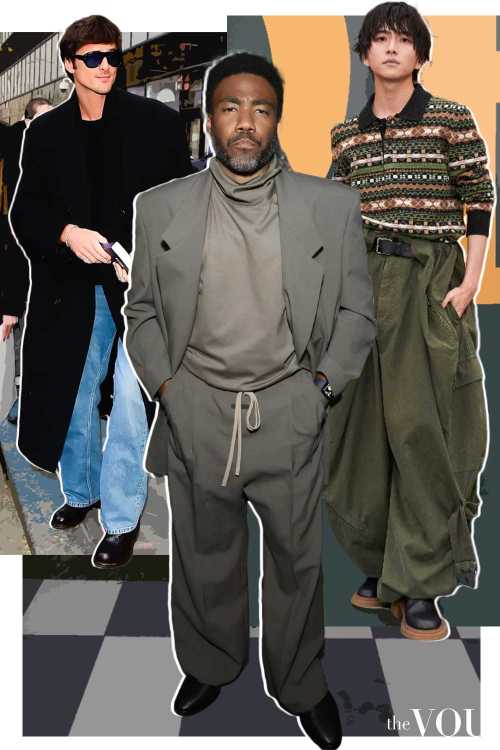
The fashion industry is waking up to a lucrative reality: older men represent a massively underserved market with significant purchasing power and sophisticated taste. As of June 19, 2026, luxury brands and retailers are finally developing targeted strategies to engage this demographic, recognizing that the older menswear shopper represents one of the industry's greatest untapped opportunities www.vogue.com .
For too long, menswear marketing has fixated on youth culture, chasing millennials and Gen Z with streetwear collaborations and social media campaigns. Meanwhile, men over 40—often with higher disposable income, clearer personal style, and less interest in fast fashion trends—have been largely ignored by brands chasing the next big thing.
The Economic Reality
Men aged 40-65 control significant wealth and are willing to invest in quality pieces that reflect their maturity and success. Unlike younger shoppers who may prioritize quantity and trendiness, older menswear consumers typically value craftsmanship, fit, and timeless design over fleeting fashion moments.
This demographic understands the cost-per-wear equation and is willing to pay premium prices for items that will last years rather than seasons. They're less susceptible to fast fashion's siren call and more interested in building a curated wardrobe of investment pieces.
What Older Menswear Shoppers Want:
- Superior fit and tailoring for mature body types
- Quality fabrics and construction
- Timeless designs over trend-driven pieces
- Comfort without sacrificing style
- Age-appropriate marketing and representation
- Shopping experiences that respect their time and intelligence
Fit and Proportion: The Foundation
One of the biggest challenges older men face is finding clothes that fit mature body types. As bodies change with age, the slim-fit silhouettes that dominate contemporary menswear often prove unflattering or uncomfortable. Brands that offer tailored fits, extended sizing, and designs that accommodate different body shapes will win loyalty.
The rise of made-to-measure services and brands offering multiple fit options (slim, regular, relaxed) reflects growing recognition that one size does not fit all. Older shoppers appreciate brands that acknowledge physical reality and design accordingly.
"Older men are not looking for 'old man clothes'—they want sophisticated, contemporary designs that happen to fit and flatter mature bodies. The distinction is crucial."
Marketing and Representation Matter
Perhaps the most significant shift brands must make is in marketing and representation. When older men rarely see themselves reflected in fashion advertising, they receive the implicit message that fashion is not for them. Brands like Brunello Cucinelli, Tom Ford, and Zegna have long understood this, consistently featuring mature models in their campaigns.
The industry is now seeing more brands feature older ambassadors and campaign stars, recognizing that representation drives sales. When a 50-year-old man sees someone his age looking sharp and confident in a brand's clothing, he can envision himself in those clothes too.
The Digital Divide
While older consumers are increasingly comfortable with online shopping, they often prefer different digital experiences than younger shoppers. They value detailed product information, clear sizing guides, high-quality photography, and responsive customer service over gamified apps and influencer partnerships.
Brands targeting this demographic successfully invest in user-friendly websites, comprehensive size guides, easy return policies, and accessible customer service. They recognize that convenience and clarity trump trendiness for this audience.
Product Strategy: Quality Over Quantity
Older menswear shoppers gravitate toward brands that emphasize quality materials, superior construction, and timeless design. They're less interested in logo-mania and more drawn to subtle luxury—pieces that signal taste and discernment rather than brand awareness.
This translates to strong sales in categories like premium denim, quality knitwear, tailored outerwear, and fine accessories. Brands that excel in these categories while maintaining consistent quality build loyal followings among older consumers.
The Retail Experience
Physical retail remains important for older menswear shoppers, who often appreciate personalized service, expert fitting assistance, and the ability to touch and feel fabrics. Brands that invest in knowledgeable staff, comfortable store environments, and genuine customer care create experiences that convert browsers into loyal customers.
The opportunity is clear: brands that authentically engage the older menswear shopper—through appropriate product, thoughtful marketing, and respectful service—will capture market share in a demographic with money to spend and loyalty to give. The question is no longer whether to target older men, but how to do it well.


Comments (0)
No comments yet. Be the first to share your thoughts!
Want to join the discussion?
Please log in to post a comment.
Login NoworCreate an Account