
The Convergent Crisis: How Zoonotic Spillover, AMR, and Metabolic Drugs Are Rewiring Public Health

Public Health Intelligence & Strategic Analysis
The Convergent Crisis: How Zoonotic Spillover, AMR, and Metabolic Drugs Are Rewiring Public Health
Just as a structural engineer does not wait for a skyscraper to visibly sway before reinforcing its foundation against seismic shifts, public health infrastructure cannot afford to react only after a pathogen breaches the human population or a chronic disease epidemic overwhelms hospital capacity.
The Catalyst of Convergent Crises
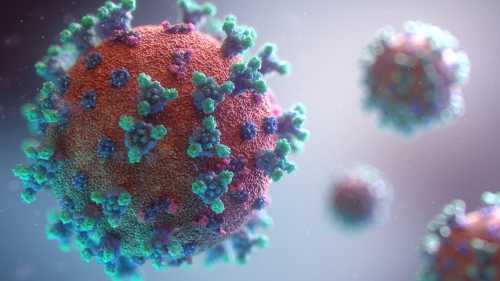
The global public health architecture is currently confronting a multi-front systemic stress test. The World Health Organization has formally declared the Bundibugyo Ebola outbreak in the Democratic Republic of the Congo and Uganda a Public Health Emergency of International Concern [[2]]. Simultaneously, the CDC continues to track H5N1 avian influenza, confirming human cases linked to dairy herds and noting the virus's ongoing mutation to infiltrate human cells [[15]], [[17]]. Compounding these infectious threats, the WHO has issued urgent new guidelines addressing the dual pressures of surging global antimicrobial resistance and the unprecedented population-level adoption of GLP-1 receptor agonists for obesity management [[30]], [[23]].
The Efficacy Versus Frailty Paradox
Proponents of widespread GLP-1 deployment argue that the cardiovascular and metabolic benefits overwhelmingly justify the rapid rollout. They point to clinical data demonstrating that GLP-1 medications like semaglutide and tirzepatide help patients lose 15 percent to 20 percent of their body weight, outcomes that behavioral interventions rarely achieve [[32]]. From this viewpoint, withholding these therapies due to theoretical long-term muscle loss concerns is an ethical failure that perpetuates the immediate, proven harms of severe obesity. While this clinical efficacy is undeniable, this perspective neglects the macroeconomic reality of healthcare financing. Without concurrent, mandated resistance training and protein supplementation protocols covered by insurance, the net public health outcome may simply trade one chronic disease burden for another.
The Unseen Implications of the Metabolic Shift
Mainstream discourse frequently celebrates GLP-1 medications as a miracle cure for obesity, noting that usage among U.S. adults has surged to 11% in 2026 [[31]]. However, the unseen implication is a looming secondary public health crisis centered on musculoskeletal degradation and sarcopenia. As primary research explicitly warns, "The impact of GLP-1 receptor agonists (GLP1-RA) treatment on lean mass and body composition in patients with obesity is not fully understood" [[36]]. This knowledge gap raises severe alarms about long-term frailty in aging populations. Consequently, healthcare systems will inevitably see a shifting burden from metabolic disease wards to orthopedic and geriatric care units, straining infrastructure entirely unprepared for this specific morbidity profile.
The Climate Multiplier in Antimicrobial Resistance
While antimicrobial resistance (AMR) is frequently discussed in isolated clinical silos, its acceleration is now inextricably linked to environmental factors. Recent ecological studies demonstrate that "rising ambient temperatures are associated with elevated levels of antibiotic resistance," creating a vicious feedback loop where climate change directly compromises our last-line pharmacological defenses [[26]]. The mainstream media largely ignores that this convergence means routine surgical procedures and minor infections in warming regions will soon carry mortality rates comparable to the pre-antibiotic era. This dynamic will fundamentally alter global life expectancy projections and destabilize healthcare systems in the Global South.
The Zoonotic Spillover Economic Drag
The persistence of H5N1 in livestock and its demonstrated capacity for mammalian transmission represents more than a biological threat; it is an acute economic vulnerability. The unseen implication is the systemic fragility of the global protein supply chain. As public health agencies are forced to mandate widespread culling and restrict livestock movement to contain outbreaks, the resulting agricultural inflation will disproportionately impact food-insecure populations. This creates a syndemic of malnutrition and infectious disease susceptibility that traditional, siloed epidemiological models consistently fail to capture or mitigate.
Echoes of the 1918 Secondary Mortality Trap
This multi-vector public health landscape directly mirrors the 1918 Influenza Pandemic's secondary bacterial pneumonia crisis. A century ago, the primary viral infection was devastating, but the majority of mortality was driven by secondary bacterial infections for which no effective treatments existed. Today, the convergence of novel zoonotic viruses with a backdrop of escalating antimicrobial resistance creates a modern equivalent. The historical lesson is stark: medical countermeasures focused solely on the primary pathogen are insufficient if the underlying ecological and pharmacological environment renders patients vulnerable to opportunistic, untreatable secondary complications.
The Limits of the 'One Health' Panacea
Some policy advocates assert that implementing a "One Health" framework, which integrates human, animal, and environmental health surveillance, is a definitive solution for the AMR crisis [[23]]. They argue that coordinated global monitoring will swiftly identify and contain resistant strains before they become endemic. However, this argument is overly optimistic regarding geopolitical and economic realities. In low-resource settings, the immediate economic imperative to maintain agricultural yield often supersedes abstract, long-term antimicrobial stewardship goals. Without enforceable, economically subsidized alternatives to antibiotic growth promoters in livestock, international guidelines remain largely performative, leaving critical surveillance gaps in the regions most likely to generate novel resistant pathogens.
Strategic Imperatives for Stakeholders
- Healthcare Systems: Immediately integrate sarcopenia screening and mandatory nutritional counseling into all GLP-1 prescription protocols to mitigate long-term musculoskeletal degradation and prevent downstream orthopedic burdens.
- Local Governments: Diversify municipal food procurement contracts to include plant-based and alternative protein sources, insulating public institutions from the inevitable price shocks of zoonotic livestock culling.
- Citizens and Patients: Advocate for comprehensive health insurance policies that explicitly cover physical therapy and dietary support alongside metabolic medications, rather than accepting siloed pharmaceutical coverage.
The Six-Month Horizon
Within the next six months, the WHO will likely expand its emergency declarations to include specific AMR hotspots, treating resistant fungal and bacterial pathogens with the same emergency mobilization protocols historically reserved for viral outbreaks [[24]]. Simultaneously, major health insurers will begin instituting strict prior-authorization requirements for GLP-1 therapies, mandating documented participation in concurrent muscle-preservation programs to control long-term liability. Finally, we will see the first major sovereign wealth funds divest from industrial agriculture conglomerates that fail to meet stringent, independently verified antimicrobial stewardship benchmarks, signaling a permanent shift in how global capital evaluates biological risk.
References: Data synthesized from recent public health reports including the WHO Ebola PHEIC Declaration, Nature Medicine AMR Climate Study, and JAMA WHO GLP-1 Guidelines.
Related Articles

The Illusion of Modernization: How Systemic Decay and Pharmacological Hype Are Reshaping Public Health
Aug 19, 2026
The Structural Fracture: How Policy Volatility and Market Forces Are Rewiring Public Health Economics
Aug 19, 2026
Comments (0)
No comments yet. Be the first to share your thoughts!
Want to join the discussion?
Please log in to post a comment.
Login NoworCreate an Account