
The Garden in the City: How London Fashion Week 2026 Grew Its Clothes in Local Parks and Rooftops

Imagine you are holding a beautiful, soft, warm sweater. You love how it feels against your skin, and you love the color. But have you ever stopped to think about the incredible, epic journey that sweater took just to get into your hands? In the old world of fashion, the story of a single sweater is a massive, globe-trotting adventure. The cotton seeds might be planted in the rich soil of India. The cotton is picked and sent to a spinning mill in China to become thread. The thread is woven into fabric in Turkey. The fabric is dyed in Italy, shipped to a factory in Bangladesh to be cut and sewn, and finally put on a massive cargo ship that crosses the ocean to arrive at a store in London. By the time you buy it, that sweater has traveled thousands of miles, burning massive amounts of fossil fuels and involving dozens of different people across the planet. It is a miracle of global trade, but it is also a heavy burden on the Earth. But in 2026, the brilliant, rebellious designers of London Fashion Week decided to shrink that massive globe down to the size of a single neighborhood. They launched the "Hyper-Local" movement, proving that the most luxurious, high-fashion garments in the world can be grown, harvested, and woven within just a few miles of the runway. This is the story of how London turned its parks, rooftops, and community gardens into the most exclusive fashion farms on the planet.
The Long Journey: Why Global Fashion is Heavy
To understand why the hyper-local movement is such a radical and necessary shift, we must look at the carbon footprint of the traditional global supply chain. Every time a truck, a train, a plane, or a massive cargo ship burns fuel to move goods from one side of the world to the other, it puffs invisible greenhouse gases into the sky. These gases act like a thick, warm blanket wrapped around the Earth, trapping the sun's heat and causing the planet's climate to change in dangerous ways. The fashion industry is responsible for about ten percent of all these global carbon emissions—more than all international flights and maritime shipping combined. Furthermore, when a brand relies on a global supply chain, they have very little visibility into how the workers are treated or how the local environment is impacted at every single step. A brand in London might know that their final factory is safe and fair, but they have no idea if the cotton farmers on the other side of the world are being paid fairly or using toxic pesticides. The global system is fast and cheap, but it is deeply disconnected from the local communities it touches.
The Concrete Jungle Blooms: Growing Flax and Hemp in London
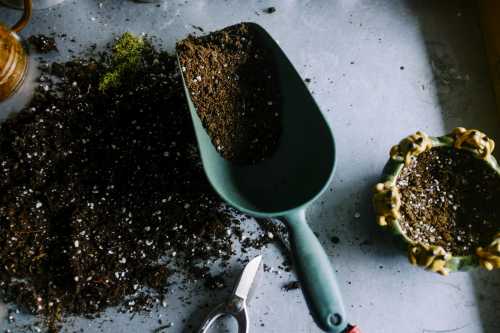
The designers of London Fashion Week 2026 decided to completely flip this model on its head. They asked a simple question: What if we grew the raw materials for our clothes right here in the city, in the empty spaces between the buildings? Over the last three years, the British Fashion Council partnered with urban agricultural experts to transform unused urban spaces into high-yield textile farms. They focused on two incredible, ancient plants: flax (which makes linen) and hemp. These plants are magical because they grow incredibly fast, require very little water, and actually pull carbon dioxide out of the air, cleaning the city as they grow. Today, in 2026, you can walk through community gardens in King's Cross, see lush fields of green flax growing on the rooftops of warehouses in Shoreditch, and watch hemp stalks swaying in the wind in repurposed parking lots in South London. The designers are literally walking out their back doors, harvesting the plants from the London soil, and taking them to local, micro-mills to be spun into thread. The entire process, from seed to sweater, happens within a five-mile radius of the city center.
True luxury is not about flying a fabric across the world; it is about knowing the exact patch of earth where your clothes were born. By growing our textiles in the heart of London, we are not just reducing carbon emissions; we are reconnecting the wearer to the soil, the seasons, and their own community.
The Rooftop Runway: A Showcase of the Neighborhood
The climax of this incredible urban farming experiment was the "Roots & Concrete" showcase during London Fashion Week 2026. Instead of hosting the show in a traditional, drafty, energy-guzzling exhibition hall, the organizers built the runway directly on top of a massive, newly harvested urban flax farm in East London. The models walked barefoot on pathways made of recycled glass, surrounded by the very plants that their clothes were made from. The collection was a masterclass in raw, natural beauty. The garments featured the natural, undyed colors of the plants—soft oatmeals, deep earthy browns, and vibrant, living greens. Because the fibers were grown locally and processed using mechanical, water-free methods, the fabrics had a beautiful, textured, organic feel that synthetic materials simply cannot replicate. When the audience touched the clothes, they could feel the story of the city in the weave. They could feel the London rain that watered the flax, the London sun that helped it grow, and the hands of local artisans who spun the thread. It was fashion with a profound sense of place, a deep, unbreakable connection to the ground it was shown on.
The Community Weave: Creating Local Jobs and Green Spaces
Beyond the environmental and aesthetic triumphs, the hyper-local fashion movement is having a massive, positive impact on the people of London. By bringing the entire supply chain into the city, the fashion industry is creating hundreds of new, green, local jobs. We are talking about urban farmers, agricultural technicians, micro-mill operators, and local weavers. These are good, stable jobs that do not require a university degree but provide a living wage and a deep sense of pride. Furthermore, the urban textile farms are not just growing clothes; they are growing community. The spaces where flax and hemp are grown are designed as public parks and educational gardens. School children from across London visit these farms to learn about biology, sustainability, and the origins of the things they wear. The fashion industry is no longer an isolated, elite club hidden behind the heavy doors of Mayfair; it is an open, green, living part of the city's daily life. The designers are acting as community gardeners, using their platforms to green the concrete, clean the air, and bring people together.
As the final model walked down the rooftop runway in East London, the applause was deafening, not just for the beautiful clothes, but for the powerful idea they represented. London Fashion Week 2026 proved that we do not have to sacrifice beauty, quality, or high fashion to protect our planet and our local communities. By shrinking the globe and focusing on the soil right beneath our feet, the British fashion industry has created a new paradigm. They have shown us that the most luxurious thing you can wear is not a fabric that traveled ten thousand miles to get to you; it is a fabric that grew just down the street, nurtured by the rain, the sun, and the hands of your neighbors. The garden in the city has bloomed, and it is dressing the future in the beautiful, sustainable colors of home.
Official Runway Announcement:
From the soil of East London to the runway. ???????????? Witness the 'Roots & Concrete' collection at #LFW2026, featuring 100% hyper-local, urban-grown flax and hemp. We are redefining luxury by bringing the supply chain home. #LFW #HyperLocalFashion
— British Fashion Council (@BritishFashion) June 20, 2026
Read the full BFC urban agriculture and runway report: Official BFC Hyper-Local Report
Related Articles

The Architectural Fracture: How Capital, AI, and Regulation Are Rewiring Luxury Brands
Sep 18, 2026
The Architecture of Exclusivity: How ESG Mandates, M&A, and Consumer Fatigue Are Rewiring the Luxury Sector
Sep 18, 2026
Comments (0)
No comments yet. Be the first to share your thoughts!
Want to join the discussion?
Please log in to post a comment.
Login NoworCreate an Account