
The Great British Garden: How the UK is Replanting Our Health with Whole Foods

Plastic plants are like ultra-processed foods. From far away, they might look okay. They are bright, they are uniform, and they never seem to wilt. But if you look closely, you will see they are made of artificial materials. They have no smell, they do not grow, and they do not support any life. No bees come to visit a plastic flower, and no birds build nests in a plastic tree. When we eat ultra-processed foods, we are putting plastic plants inside our bodies. We might look fine on the outside for a little while, but on the inside, our garden is starving for real nourishment.
This is the central message of a groundbreaking new wave of health research and policy in the United Kingdom. The British Medical Association (BMA) has released a powerful report detailing the profound impact of ultra-processed foods on the nation's diet. They are sounding the alarm that these factory-made foods are not just empty calories; they are actively harming the nation's health, contributing to rising rates of obesity, heart disease, and other chronic conditions.
The Science of the Soil: What the Researchers Found
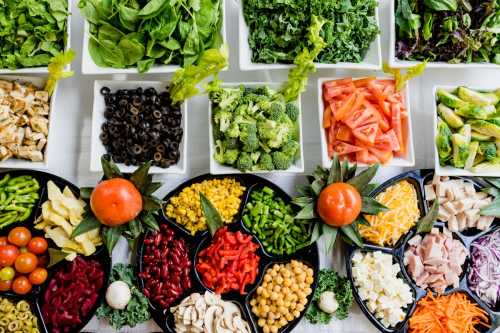
At the same time, brilliant researchers at the University of Bristol have been studying what happens when people switch from plastic plants back to real seeds. Their findings are incredibly encouraging. They discovered that when people commit to a wholefood diet—eating foods that are as close to their natural state as possible—they naturally start to eat more fruits and vegetables. They do not have to force themselves to eat an apple; they just naturally choose the apple over the apple-flavored candy because their body recognizes the real food as valuable fuel.
The Bristol study shows that wholefoods are packed with fiber, vitamins, and minerals that act like a team of expert gardeners inside your body. They repair damaged cells, protect your heart, and keep your digestion running smoothly. Ultra-processed foods, on the other hand, are stripped of these nutrients and loaded with artificial preservatives, colors, and flavors. They are designed to be eaten quickly and in large quantities, which overrides your body's natural signals that tell you when you are full.
In response to this growing body of evidence, the UK government has just released its May 2026 update on obesity, physical activity, and nutrition. This comprehensive profile paints a clear picture of where the country stands and where it needs to go. The data shows that while awareness of healthy eating is high, the food environment still makes it very difficult for people to make the right choices. Ultra-processed foods are cheaper, more heavily advertised, and more readily available than fresh produce.
The new government strategy aims to change this environment. It is not just about telling people to eat better; it is about making the healthy choice the easy choice. This includes stricter regulations on the advertising of junk food, especially to children. Imagine if you could not see any commercials for sugary cereals or fast food during children's television programs. That is the kind of protection the new policies are designed to provide. It is about shielding the most vulnerable members of our society from being targeted by companies that profit from poor health.
But what does this mean for you, the individual, walking down the high street or sitting down for Sunday dinner? It means that you have the power to transform your own internal garden, starting today. You do not need a degree in nutrition to understand the basic principles of wholefood eating. It is about returning to the basics. It is about choosing an orange instead of a carton of orange juice. It is about choosing a piece of chicken and roasting it with herbs, instead of buying a pre-packaged chicken nugget filled with stabilizers.
The BMA report also emphasizes the importance of community and access. Not everyone lives near a fresh food market, and not everyone can afford organic produce. The new policies aim to address these inequalities by supporting local farmers' markets, encouraging community gardens, and ensuring that healthy food is subsidized so that it is affordable for every family. Everyone deserves the chance to grow a beautiful garden, regardless of their income or where they live.
Physical activity is the other half of the equation. Just as a garden needs to be tended and weeded, our bodies need movement to stay healthy. The May 2026 profile highlights the critical link between nutrition and physical activity. When you eat real food, you have more energy to move. And when you move, your body becomes better at utilizing the nutrients from the food you eat. It is a beautiful partnership. A walk in the park after a meal of whole foods is one of the best things you can do for your body and your mind.
Tending Your Garden: Practical Steps for the UK
Here are some simple, actionable ways to start replanting your health with whole foods:
- Embrace the seasons: Buy fruits and vegetables that are in season in the UK. They are cheaper, they taste better, and they have not traveled thousands of miles to get to your plate. Strawberries in the summer and root vegetables in the winter are nature's perfect choices.
- Cook from scratch: The simplest way to avoid ultra-processed foods is to cook your meals from raw ingredients. It does not have to be complicated. A simple stir-fry with fresh vegetables and a lean protein is quick, delicious, and far healthier than a ready meal.
- Read the labels carefully: If a product has a long list of ingredients you do not recognize, or if sugar is one of the first three ingredients, put it back on the shelf. Choose products with short, simple ingredient lists that you can understand.
- Plan your meals: When you are hungry and in a rush, it is easy to grab a processed snack. By planning your meals for the week and preparing some ingredients in advance, you ensure that you always have a healthy option ready to go.
The shift towards wholefoods in the UK is more than just a health trend; it is a cultural renaissance. It is a return to the rich culinary heritage of the British Isles, which has always been rooted in high-quality, local produce. From the fresh seafood of the coast to the hearty root vegetables of the countryside, the ingredients for a vibrant, healthy life are right here. We just need to rediscover them.
As the new policies take effect and the research continues to pour in, the message is clear: it is time to pull up the plastic plants. It is time to get our hands dirty in the soil, to plant real seeds, and to nurture them with care. The result will be a nation that is not just surviving, but truly flourishing. A nation where our gardens are full of life, color, and vitality. And that is a future worth growing towards.
Related Articles
The Great Nutrition Reset: Why 2026's Dietary Guidelines and GLP-1 Revolution Are Creating a $2 Billion Supplement Crisis
Sep 23, 2026
The Yield Management of Attention: How Streaming’s Profitability Pivot Recreated the Cable Monopoly
Sep 22, 2026![[The Pharmacological Pivot: How GLP-1 Agonists and FDA Crackdowns Are Rewiring the Fitness Economy]](https://www.crimaz.com/assets/images/no-image.jpg)
Comments (0)
No comments yet. Be the first to share your thoughts!
Want to join the discussion?
Please log in to post a comment.
Login NoworCreate an Account