
The Kennedy Center Name Vote Is a Corporate Governance Story Wearing a Culture-War Costume

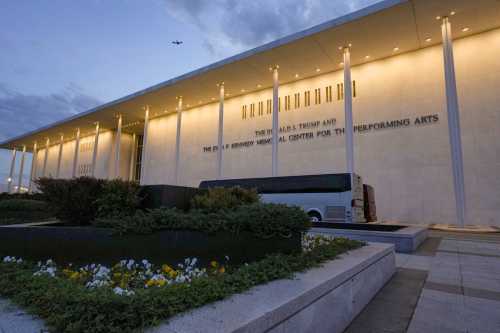
When a landlord renames a building mid-lease, the dispute was never about the signage; it is about who holds the deed. Washington's Kennedy Center fight is precisely that transaction, executed in marble.
On Thursday, August 13, the Center's board voted to re-inscribe President Trump's name on the facade, reading "The John F. Kennedy Center for the Performing Arts Restored and Renovated By President Donald J. Trump," to name the plaza after him and to close most venues for two years of renovation, a package that directly tests U.S. District Judge Christopher Cooper's May order stripping the earlier letters and blocking a July 5 closure he called "ill-informed and seemingly preordained."
Three Implications the Cable Coverage Skips
First, naming rights are being deployed as executive-brand instruments, and the precedent risk extends to every federally adjacent institution in the capital. Once the philanthropic norm, that buildings honour donors and memorial subjects, not sitting politicians, is broken, every institutional name becomes renegotiable, and every board composition becomes a proxy contest.
Second, the two-year dark period is a demand shock for the regional live-entertainment market. Bookings will migrate to the Warner Theatre, DAR Constitution Hall and MGM National Harbor, while DC hospitality loses an anchor calendar. Executives describe steel corroded "as thin as tissue paper" and 800-ton chillers decades past replacement, so the capital backlog is real; the question the market will price is whether renovation becomes a pretext asset for the naming agenda.
Third, the revenue mix is quietly re-engineering. Artist boycotts and subscription churn shrink earned and contributed income from traditional patrons, while political patronage and new donor cohorts fill the gap, changing the institution's effective constituency and, with it, its programming risk profile.
The Counter-Ledger: Maintenance Is Not Theater
Two corrections keep the analysis honest. The renovation itself is defensible capital stewardship, not pure spectacle; corroded structural steel and obsolete chillers are safety liabilities that no board may lawfully ignore. And the governance question is genuinely contested: Rep. Joyce Beatty calls the vote "a transparent effort to circumvent the Court's ruling," while Sen. Sheldon Whitehouse decries a "rubber stamp," yet the board's statutory discretion over facilities and naming remains an open legal question that courts, not commentators, will settle.
The Precedent: When Names Become Negotiable
American cultural institutions have historically treated names as endowments, permanent because the donations behind them were. The 2025 original inscription and this week's re-inscription invert that logic, converting names into revocable political instruments. The lesson from corporate history is unambiguous: once a naming convention is broken, the asset's value collapses into whoever controls the board at any given moment, which is exactly the volatility the performing-arts market least needs.
Actionable Moves for Patrons and the Local Market
- Ticket holders and subscribers should document refund and credit rights now, before closure terms are formalised.
- Competing DC-area venues should lock multi-year touring deals while the Center is dark; the windfall window is finite.
- Artists and agents should negotiate moral-clause and relocation riders for Kennedy Center contracts.
February 2027: The Docket Decides
Six months out, expect either a contempt ruling or a negotiated settlement on the naming question, published subscription-recovery metrics, and the first competing-venue windfall reports. The marble will say what the board votes; the balance sheet will say what the public believes.
Primary sources:Axios reporting · ABC7 New York · PBS News Hour video
Related Articles

Sabrina Ionescu Stays: The Liberty Re-Signing Is the WNBA's Star-Economy Maturity Test
Aug 14, 2026
Carpenter, Domingo, Theron: The Academy Museum Gala Is Hollywood's New Prestige Central Bank
Aug 14, 2026
Comments (0)
No comments yet. Be the first to share your thoughts!
Want to join the discussion?
Please log in to post a comment.
Login NoworCreate an Account