
The Transactional Red Carpet: How Archival Assets and AI Are Rewiring Celebrity Style


Evaluating the modern celebrity style ecosystem like a boundless cultural utopia is a categorical error; it is akin to assessing a city’s economic health solely by the number of billboards on its highways, while ignoring the crumbling infrastructure and unpaid contractors beneath the pavement. The fashion influence sector in 2026 is no longer defined by aspirational viral fame or unchecked editorial gatekeeping. Instead, it is undergoing a ruthless structural recalibration, driven by the aggressive financialization of archival garments, the systemic integration of synthetic AI styling, and a complex regulatory crackdown on celebrity-endorsed greenwashing. This convergence is forcing a fundamental repricing of digital and physical influence, shifting the paradigm from speculative attention-harvesting to audited, compliance-driven brand partnerships.
The Transactional Red Carpet
The defining reality of this cycle is the simultaneous collision of record-breaking media valuation and extreme access monetization. The 2026 Met Gala generated a record $1.56 billion in Media Impact Value (MIV), up 19% from the previous year, as ticket prices surged to $100,000 funanc1al.com . This event underscores a definitive shift where celebrity style has evolved from organic cultural expression into a highly transactional, algorithmically optimized marketing vehicle. Furthermore, celebrity stylists are increasingly building personal brands on platforms like YouTube, shifting the power dynamic away from traditional magazine editors toward direct-to-consumer fashion authorities fashionbombdaily.com . This is not a temporary administrative friction; it is a permanent rewriting of the fashion social contract, where access to cultural capital is increasingly contingent on strict financial and algorithmic compliance.
The Archival Asset Class
Mainstream media coverage remains fixated on superficial celebrity wardrobe malfunctions or designer drama, willfully ignoring the profound macroeconomic shift occurring in the secondary fashion market. Archival fashion is no longer merely a styling choice; it is an appreciating asset class. The global vintage fashion market, valued at USD 8.45 billion in 2025, is projected to reach USD 18.87 billion by 2033 www.futuredatastats.com . When a high-profile celebrity wears a rare archival piece on a global stage, it does not just generate press; it artificially inflates the secondary market valuation of that specific designer's historical output. This creates a speculative bubble around fashion history, where independent vintage dealers and auction houses are forced to compete with well-funded celebrity styling teams for a finite supply of culturally significant garments, fundamentally altering the supply chain of historical fashion.
The Synthetic Style Disruption
Simultaneously, the integration of artificial intelligence and virtual styling is fundamentally altering the economics of red carpet appearances. Advanced platforms now enable the generation of hyper-realistic AI fashion models and virtual red carpet looks, blurring the lines between human celebrity and synthetic media www.photogptai.com . This technological leap threatens to decouple brand association from human talent entirely. Fashion houses are increasingly recognizing that they can bypass the unpredictable reputational risks, scheduling conflicts, and exorbitant fees of human celebrities by deploying perfectly controlled, algorithmically generated virtual avatars. This creates a dangerous feedback loop: as the marginal cost of generating a flawless virtual red carpet moment approaches zero, the premium placed on human celebrity endorsements will inevitably compress, forcing human stylists to prove their unique, irreplaceable value beyond mere aesthetic coordination.
Nuance: The Authenticity Premium Critics frequently argue that the rise of AI-generated fashion and virtual styling will permanently decimate the human celebrity styling industry, reducing red carpet artistry to sterile, prompt-generated content. However, this perspective ignores the empirical reality of consumer psychology. While synthetic avatars excel at high-volume brand awareness, they lack the lived experience and emotional resonance required to drive high-ticket luxury conversions. The technology is not replacing the human stylist; it is ruthlessly eliminating the middle tier of mediocre, easily replicable styling, forcing human creators to elevate their output to highly specialized, deeply authentic niches that AI cannot authentically simulate.
The Greenwashing Accountability Gap
Compounding this systemic fragility is the severe credibility crisis facing the sustainability narrative in celebrity style. A 2025 European Commission study identified greenwashing as a systemic risk, noting that vague environmental claims by celebrity-endorsed brands lack verifiable lifecycle data dataintelo.com . As public scrutiny intensifies, the reputational damage from a single unsubstantiated "eco-friendly" claim now outweighs the short-term PR benefits of the endorsement. Celebrity environmental activists are attempting to shape sustainable fashion trends, but they are increasingly caught in the crossfire of regulatory enforcement actions targeting unsubstantiated carbon-neutral claims anuprerna.com . The financial models of mid-tier apparel brands were historically predicated on consumer apathy toward supply chain opacity. As regulatory scrutiny tightens around unsubstantiated claims, the cost of compliance will act as a moat, favoring legacy conglomerates with dedicated sustainability auditing teams while crushing independent brands that lack the capital for rigorous lifecycle assessments.
Nuance: The Circular Economics Defense Detractors often condemn the explosive growth of the vintage and archival fashion market as an exclusionary practice that prices out everyday consumers, turning sustainable fashion into an elitist pursuit www.instagram.com . Yet, this argument fundamentally misunderstands the mechanics of circular economics. By extending the active lifecycle of a garment through high-profile celebrity validation, the carbon footprint per wear is significantly reduced. The celebrity endorsement of vintage fashion is not inherently promoting exclusivity; it is creating a closed-loop economic model that actively diverts textiles from landfills and validates secondhand consumption at a macro level, provided it is paired with genuine durability in primary manufacturing.
Echoes of the 1990s Supermodel Monopoly
This current inflection point mirrors the consolidation of power during the 1990s supermodel era. During that period, a handful of models commanded unprecedented fees and dictated global trends, leading brands to believe that human faces were the only viable marketing vehicles. The critical lesson from that epoch is that extreme concentration of influence inevitably breeds market fatigue and unsustainable costs, prompting brands to seek alternative, decentralized, or synthetic methods of consumer engagement. Today’s proliferation of virtual influencers and micro-stylist brands is undergoing the exact same market correction, proving that the unbundled, wild-west era of celebrity influence was merely a temporary anomaly before the market naturally reverted to audited, performance-driven metrics.
Strategic Imperatives for Market Participants
Local boutique retailers and independent stylists must immediately audit their inventory and service offerings, pivoting away from fast-fashion dependencies and investing in authenticated archival pieces or direct-to-consumer styling subscriptions. Citizens and consumers should actively demand verifiable sustainability credentials from celebrity-endorsed brands, recognizing that vague "eco-friendly" marketing is increasingly a legal liability rather than a genuine commitment. Furthermore, institutional investors must scrutinize fashion-tech startups that rely on opaque AI-generated content, favoring entities with transparent, verifiable human-in-the-loop creative processes and robust compliance frameworks.
The Six-Month Horizon: Bifurcation of Influence
Within six months, the celebrity style landscape will witness a sharp, irreversible bifurcation. Legacy fashion houses that successfully integrate authenticated archival styling and transparent sustainability metrics will capture disproportionate market share and command premium pricing. Conversely, brands clinging to unverified greenwashing claims and over-relying on synthetic, AI-generated celebrity proxies will face severe reputational compression and mounting regulatory liability. The era of speculative, frictionless influence is definitively over; the era of audited, culturally verified style has begun.
Related Articles

The Provenance Pivot: How Archival Sourcing and AI Likeness Are Rewiring Celebrity Style Economics
Aug 21, 2026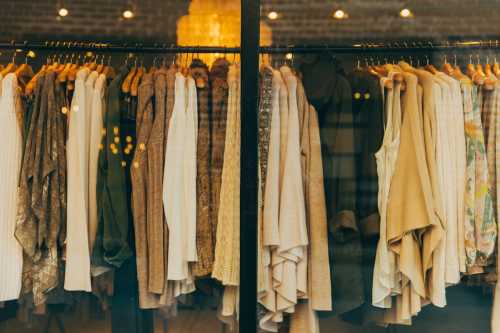
The Structural Realignment: How Regulatory Shocks and Algorithmic Design Are Rewriting Fashion Economics
Aug 20, 2026
Comments (0)
No comments yet. Be the first to share your thoughts!
Want to join the discussion?
Please log in to post a comment.
Login NoworCreate an Account