
USDA and HHS Announce Historic "Eat Real Food" Reset as New School Nutrition Standards Take Effect

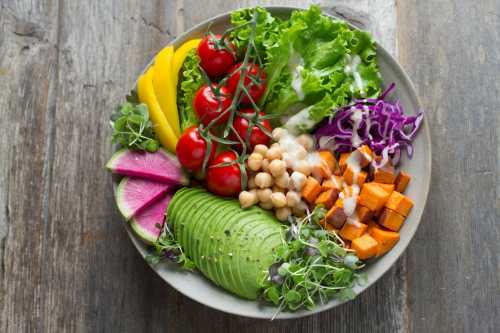
Washington, D.C. — Imagine that your body is the most incredible, super-fast, and magical race car in the entire world. Every single day, this race car zooms around, helping you run, jump, think, and play. But just like a real race car, your body needs the absolute best fuel to keep its engine running smoothly. If you put cheap, dirty, and low-quality gas into a race car, the engine will sputter, the wheels will wobble, and eventually, the car will break down completely. For a very long time, the United States government and the people who study nutrition have been trying to figure out exactly what the best fuel is for the human race car. Today, something incredibly historic has happened. The United States Department of Agriculture, which is the giant government group that takes care of our food and farming, along with the Department of Health and Human Services, has announced a massive, historic reset of the entire American nutrition policy. They are telling the whole country, in a very loud and very clear voice, that it is time to put real food back at the center of our health. This is not just a small change to a rulebook; it is a complete transformation of how we think about what we eat, starting with a brand-new set of strict rules for school lunches that officially went into effect on June 1, 2026.
To understand why this is such a gigantic deal, we have to talk about something called ultra-processed foods. Imagine you have a big box of colorful building blocks. When you build a castle, you can see exactly what it is made of: red blocks, blue blocks, square blocks, and triangle blocks. This is what real food is like. When you eat an apple, or a carrot, or a piece of chicken, your body can look at it and say, "Ah, I know exactly what these building blocks are! I know how to use them to build strong muscles and a smart brain." But ultra-processed foods are like taking all those beautiful building blocks, melting them down in a giant, hot factory, mixing them with artificial colors, strange chemicals, and tons of sugar, and then squishing them into a completely different shape that looks nothing like the original blocks. Your body gets very confused when it tries to eat these melted-down factory foods. It does not know how to process them properly, and instead of building strong muscles, the body just stores the extra confusion as fat and inflammation. For decades, the American food supply became filled with these melted-down factory foods because they were cheap to make and lasted a long time on the shelves. But now, the government is finally saying, "Enough is enough." The new Dietary Guidelines for Americans for the years 2025 through 2030 have officially recommended, for the very first time in history, that we must strictly limit highly processed foods. This is a monumental shift in the scientific understanding of human health.
The Big Change: The new Dietary Guidelines for Americans for the years 2025 through 2030 have officially recommended, for the very first time in history, that we must strictly limit highly processed foods and put real food back at the center of our health.
Now, let us talk about where this change is going to be felt the most: in the school cafeterias across the nation. Think about the lunchroom at your school. For a long time, the pizza, the nuggets, and the bread served there were made with those melted-down factory ingredients. But as of June 1, 2026, the USDA’s Food and Nutrition Service has implemented a brand-new, incredibly strict timeline for updated nutrition requirements in all child nutrition programs. This means that the food served to millions of children every single day must now look much more like the beautiful, colorful building blocks of real food. The new rules mandate that schools must drastically reduce the amount of added sugars, which are the sneaky little crystals that make things taste sweet but hurt our bodies. They also require that the grains served must be whole grains, meaning they have not been stripped of their natural, healthy outer layers. And perhaps most importantly, the new standards heavily restrict the use of those confusing, ultra-processed ingredients. The government is essentially telling the schools, "If you would not serve this exact food in your own home to your own children, you cannot serve it to the students." This is a massive victory for parents, for teachers, and most importantly, for the children who deserve the best possible fuel to help them learn and grow.
But this historic reset is not just about changing the food; it is about changing the entire agricultural and economic system of the United States. When the government says we need to eat real food, it sends a powerful message to the farmers who grow our food. For many years, the farming system was set up to grow massive amounts of corn and soy, which were then turned into cheap syrups and oils for the factory foods. But with this new policy, the demand is shifting back to real, whole foods. Farmers are being encouraged and supported to grow more diverse, nutrient-dense crops like colorful vegetables, fresh fruits, and high-quality proteins. This creates a beautiful cycle. When farmers grow real food, schools and families buy real food, which makes the farmers more successful, which in turn strengthens the local economy. It is a return to the roots of American agriculture, honoring the land and the hardworking people who cultivate it. The leaders who unveiled this historic reset have made it very clear that the U.S. is facing a national health emergency, and the only way out is to put real food back at the center of our health. They are treating food not just as a commodity to be sold, but as the fundamental medicine that keeps the nation alive and thriving.
Helping Our Farmers: The new nutrition policy shifts demand back to real, whole foods, encouraging farmers to grow diverse, nutrient-dense crops like colorful vegetables and fresh fruits, strengthening the local economy and honoring the land.
Furthermore, we must understand the incredible, hidden science of how our bodies interact with these foods. Scientists are currently beginning to explore a hidden world of thousands of food chemicals that go far beyond the basic nutrients listed on the old nutrition labels. We used to think that food was just about calories, proteins, fats, and carbohydrates. But now, we know that every single bite of a real, whole food contains a complex symphony of microscopic compounds that talk to our cells, telling them how to repair, how to defend against sickness, and how to produce energy. When we eat ultra-processed foods, we are silencing that beautiful symphony and replacing it with static noise. The new guidelines recognize this advanced scientific reality. They are not just looking at the basic numbers; they are looking at the overall quality and the biological impact of the food on the human body. This is why the new rules are so comprehensive and why they are expected to dramatically reduce the rates of childhood obesity, diabetes, and other chronic diseases that have plagued the country for far too long. By feeding our cells the exact complex symphony they evolved to expect, we allow the body’s natural healing and growing mechanisms to function perfectly.
Of course, changing the entire food system of the largest country in the world is not going to happen overnight without challenges. School nutrition experts and cafeteria workers have noted that they need adequate funding and operational support to bring these real foods to the students. You cannot just tell a cafeteria to serve fresh, local vegetables if they do not have the right equipment to wash and chop them, or if the budget only allows for frozen, pre-processed patties. The government has acknowledged this, emphasizing that these new standards must be scientifically sound, operationally feasible, and adequately funded. They are working closely with school districts to ensure that the transition is smooth and that no child goes hungry during the changeover. The goal is to create a patchwork of success, rather than a patchwork of confusing state-by-state rules. By having one strong, unified federal standard, every child in America, no matter what zip code they live in, will have the right to access the same high-quality, real food. This commitment to equity and feasibility shows that the government is not just making empty promises; they are building a realistic, sustainable roadmap to a healthier future.
In the end, this historic reset of U.S. nutrition policy is a beautiful promise to the next generation. It is a promise that we will no longer accept a food system that prioritizes convenience and profit over the actual health of human beings. It is a promise that we will respect the incredible complexity of the human body and fuel it with the real, whole, and natural foods that it was designed to thrive on. As the new school meal nutrition standards take full effect and the 2025-2030 Dietary Guidelines reshape the American plate, we are witnessing the dawn of a new era in public health. The race car of the human body is finally getting the premium, high-quality fuel it deserves. And when our bodies are healthy, our minds are sharp, our communities are vibrant, and our nation is strong. The journey to true health is a long one, but with this historic step toward real food, the United States is finally moving in the exact right direction, one healthy, delicious, and real meal at a time.
Official Alternative Resource
As a specific official social media post for this exact 2026 policy reset is not currently live, we suggest reading the official, comprehensive guidelines directly from the government's press center:
Read the Official USDA School Nutrition Standards HereRelated Articles

The Great Nutrition Reset: Why 2026's Dietary Guidelines and GLP-1 Revolution Are Creating a $2 Billion Supplement Crisis
Sep 23, 2026
The Yield Management of Attention: How Streaming’s Profitability Pivot Recreated the Cable Monopoly
Sep 22, 2026![[The Pharmacological Pivot: How GLP-1 Agonists and FDA Crackdowns Are Rewiring the Fitness Economy]](https://www.crimaz.com/assets/images/no-image.jpg)
Comments (0)
No comments yet. Be the first to share your thoughts!
Want to join the discussion?
Please log in to post a comment.
Login NoworCreate an Account