
CDC Issues Urgent Health Alert as Domestically Acquired Cyclosporiasis Cases Surge Across Multiple U.S. States

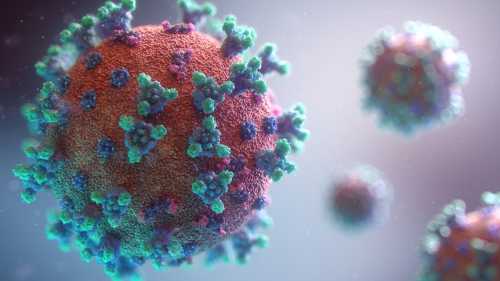
In a stupefying escalation of foodborne illness, the Centers for Disease Control and Prevention (CDC) has issued an urgent Health Alert Network (HAN) advisory regarding a dramatic surge in domestically acquired cyclosporiasis cases across multiple United States jurisdictions.
According to the official alert disseminated on July 14, 2026, the CDC has received reports of 1,645 confirmed domestic cases of cyclosporiasis since May 1, 2026. Furthermore, public health officials are actively investigating more than 5,100 additional suspected cases that require further epidemiological analysis to confirm domestic acquisition. This represents a staggering increase compared to the mere 249 cases reported nationally during the same period last year.
Understanding the Pathogen
Cyclosporiasis is an intestinal illness caused by the microscopic parasite Cyclospora cayetanensis. Individuals become infected by ingesting food or water contaminated with the parasite. The illness is characterized by profuse watery diarrhea, abdominal cramping, bloating, nausea, and profound fatigue. If left untreated, the illness can be prolonged, lasting for weeks or even months, with symptoms that may wax and wane over time.
Official Public Health Advisory
California Department of Public Health (CAHAN) Official Alert:
CDC/Health Alert - July 14, 2026: The CDC is notifying clinicians, public health practitioners, and laboratorians of cases of domestically acquired cyclosporiasis in multiple U.S. states. This Health Advisory provides background information about cyclosporiasis, current U.S. surveillance data, and recommendations for clinicians, laboratorians, and public health departments to support recognition, diagnosis, and reporting.
Clinical Recommendations and Diagnostics
The CDC advisory strongly urges healthcare providers to maintain a heightened index of suspicion for cyclosporiasis in patients presenting with persistent, unexplained gastrointestinal symptoms, particularly those with a history of consuming fresh produce or untreated water. Standard ova and parasite (O&P) examinations are insufficient for detecting Cyclospora; instead, clinicians must specifically request modified acid-fast staining, multiplex gastrointestinal PCR panels, or fluorescence microscopy to ensure accurate diagnosis.
Upon confirmation, the recommended treatment is a course of trimethoprim-sulfamethoxazole (TMP-SMX). Public health departments are also emphasizing the critical importance of immediate case reporting to facilitate rapid source tracking and prevent further dissemination of the pathogen through the food supply chain.
Preventative Measures for the Public
As investigations continue to identify the specific agricultural sources or distribution networks responsible for this outbreak, the CDC advises consumers to practice rigorous food safety protocols. This includes thoroughly washing all fresh fruits and vegetables under running water, although it is noted that Cyclospora can be tenaciously adhered to the surface of produce, making complete eradication through washing alone challenging.
The CDC continues to collaborate with the Food and Drug Administration (FDA) and state health departments to trace the origin of the contaminated products. The public is encouraged to monitor official CDC updates and report any suspected foodborne illnesses to their local health department immediately.
Related Articles

The Architecture of Biological Governance: How Federal Restructuring is Rewiring Public Health Economics
Sep 14, 2026
The Metabolic Reckoning: How GLP-1 Adoption and AI Surveillance Are Rewiring Public Health
Sep 14, 2026
Comments (0)
No comments yet. Be the first to share your thoughts!
Want to join the discussion?
Please log in to post a comment.
Login NoworCreate an Account