
The $300 Million Shift: How Luxury Conglomerates Are Rewriting Sports Culture in 2026

Published: August 28, 2026
In 1986, Run-DMC’s a cappella performance of "My Adidas" at Madison Square Garden resulted in an unprecedented $1 million endorsement deal, fundamentally altering the trajectory of hip-hop and sportswear. Today, the convergence of high fashion and elite athletics has evolved from opportunistic handshake agreements into a highly institutionalized, multifaceted capital reallocation. The 2026 landscape is no longer defined by mere logo placement; it is characterized by luxury conglomerates executing long-term cultural acquisitions.
Capital Reallocation: The $300 Million Luxury Incursion
The most visible manifestation of this structural shift is LVMH’s aggressive expansion into sports marketing. The conglomerate is now spending an estimated $300 million annually on sponsorship packages, systematically embedding brands like Louis Vuitton, Moët Hennessy, and TAG Heuer into the fabric of global sporting events www.linkedin.com . This strategy is anchored by a landmark 10-year partnership with Formula 1, ensuring pervasive visibility across the sport's most lucrative demographics www.optionstheedge.com . By activating La Maison LVMH at high-profile events like the Miami Grand Prix, the group is positioning its houses as the definitive arbiters of elite sports culture www.instagram.com . This is not a superficial branding exercise. The unseen implication here is the systematic marginalization of traditional sportswear giants in the premium tier. Luxury brands are not competing for market share in technical performance apparel; they are capturing the high-margin athleisure and lifestyle segments, effectively redrawing the boundaries of sports commerce. Furthermore, mainstream players like Abercrombie & Fitch are adapting to this paradigm, returning as an Official Fashion Partner for the 2026 NFL season to blend celebrity styling with traditional sports aesthetics www.facebook.com .
The Illusion of Unfettered Autonomy
However, a critical counter-argument must be addressed regarding the purported empowerment of these athlete collectives. While initiatives like CC League by Chanel Beauty are publicly framed as revolutionary platforms for female athletes to define their own narratives, they inherently introduce new, subtle constraints. "Chanel went directly to the athletes, women still competing at the top of their sport," observed industry analyst Tom Halphen, noting the strategic pivot from passive celebrity endorsement to active, collective representation www.linkedin.com . Yet, this direct engagement often functions as a sophisticated form of brand capture. By enrolling athletes into exclusive, multi-year collectives, luxury houses may inadvertently restrict the athletes' broader commercial freedom. These agreements frequently bind participants to rigid aesthetic guidelines and exclusivity clauses that could conflict with future, more lucrative independent ventures or grassroots sponsorships. The empowerment is tangible, but it is strictly circumscribed by the conglomerate's overarching brand architecture.
Media Sovereignty and the TOGETHXR Pivot
Parallel to the fashion incursion is a quiet revolution in sports media ownership. Former LPGA star Michelle Wie West recently announced her strategic investment in TOGETHXR, a women-founded media company dedicated to elevating female athletes and expanding coverage of women's golf www.cnbc.com . This move signifies a profound shift: athletes are no longer content to be mere subjects of broadcast narratives; they are becoming the architects of the media infrastructure itself. Women's sports media valuation has grown exponentially, with platforms like TOGETHXR securing high-profile athlete investors—including previous additions like Alex Morgan, Chloe Kim, and Simone Biles—to capture a demographic that traditional broadcasters have historically underserved www.instagram.com . The implication for the broader industry is stark. Legacy sports networks will face increasing competition from athlete-owned media ecosystems that possess authentic cultural credibility, direct audience access, and an inherent understanding of the communities they serve.
Echoes of 1984: The Jordan Paradigm Recalibrated
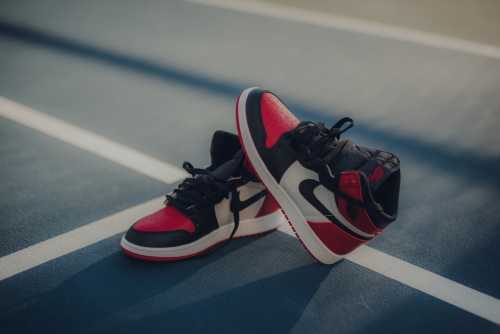
To understand the trajectory of this trend, one must examine the historical precedent of the 1984 Nike-Michael Jordan partnership. That alliance revolutionized sports marketing by tying a brand’s identity inextricably to a single athlete’s cultural mythos, creating a blueprint for modern endorsements. However, the 2026 dynamic diverges significantly in its underlying objectives. Nike sought volume sales and mass-market penetration through the Air Jordan line, leveraging basketball's growing global footprint. Conversely, contemporary luxury houses like LVMH and Chanel are pursuing cachet amplification. They are leveraging the cultural credibility of elite athletes to validate their own relevance in a rapidly modernizing market, prioritizing long-term brand equity and demographic diversification over immediate unit volume.
The Exclusivity Dilution Risk
Nevertheless, this aggressive convergence introduces a tangible risk of market saturation. As every major sporting event—from the ESPY Awards red carpet to the Kentucky Derby—increasingly resembles a de facto fashion week, luxury brands risk diluting their core value proposition: exclusivity missamerica.org . If high fashion becomes ubiquitous in the sports arena, the aspirational distance that drives luxury consumption may collapse. The challenge for these conglomerates will be maintaining an aura of unattainable prestige while simultaneously pursuing mass-audience sports activations. Overexposure could lead to brand fatigue among high-net-worth consumers who traditionally shun mainstream athletic associations.
Tactical Directives for Market Participants
For local businesses, emerging designers, and independent stakeholders, the current environment demands strategic agility. Rather than attempting to compete directly with conglomerate-backed athlete collectives, niche fashion brands should pivot toward micro-influencer partnerships within emerging sports leagues, such as TGL golf or Unrivaled basketball. Independent sports agents must also renegotiate representation contracts to ensure their clients retain media and fashion rights outside of primary team or league agreements. Furthermore, citizens and consumers should critically evaluate the media they consume, recognizing that athlete-backed platforms like TOGETHXR offer a necessary corrective to traditional, often biased, sports broadcasting. Allocating attention and capital to these decentralized media ecosystems can yield both cultural and financial returns.
The Six-Month Horizon: Margin Compression and Market Correction
Looking ahead six months, the landscape will likely experience a period of market correction. Traditional sports apparel giants will face margin compression as luxury houses absorb the high-end lifestyle market share. We can anticipate a wave of defensive mergers or acquisitions within the mid-tier sportswear sector as companies scramble to secure their own cultural footholds and protect their premium pricing power. The integration of fashion and sports is no longer a transient trend; it is the new structural baseline of the global entertainment economy.
Related Articles

The Terroir Shift: How Regulatory Friction and Celebrity Cartels Are Rewriting Luxury Fashion Economics
Oct 13, 2026
The Algorithmic Couture: Deconstructing the 2026 Fashion Industry Paradigm Shift
Oct 12, 2026
Comments (0)
No comments yet. Be the first to share your thoughts!
Want to join the discussion?
Please log in to post a comment.
Login NoworCreate an Account