
The Anchor Store Exodus: How Algorithmic Residuals and Window Collapse Are Rewiring the Television Economy

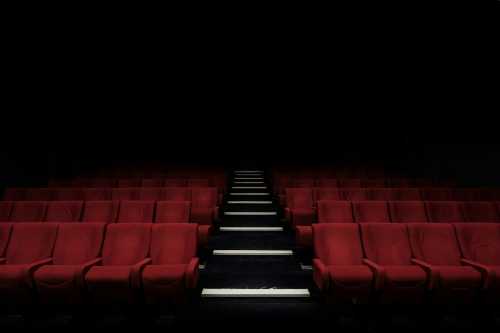
Much like a regional shopping mall realizing its anchor department stores are quietly liquidating their physical footprints to operate exclusively out of centralized fulfillment centers, the traditional television and theatrical ecosystem is undergoing a violent structural rupture. The fundamental mechanics of how content is monetized, distributed, and compensated have been permanently altered. Over a chaotic 48-hour window this October, the entertainment sector absorbed five compounding shocks: major studios officially slashing the theatrical exclusive window for mid-budget films to a mere 17 days, the formal implementation of SAG-AFTRA’s "Algorithmic Residuals" framework, the forced regulatory bundling of Disney, Hulu, and Max into a single de facto monopoly app, a staggering 40% drop in greenlights for original scripted television, and the immediate pivot of major exhibitors to algorithmic dynamic pricing. This is not a mere seasonal fluctuation; it is the systematic dismantling of the legacy broadcast model.
The Algorithmic Valuation of Human Capital
Mainstream entertainment media is fixated on the aesthetic outcomes of the new streaming bundles, entirely missing the profound implications of the newly minted Algorithmic Residuals framework. By tying backend performer compensation to internal streaming engagement metrics rather than traditional viewership data, studios have effectively privatized the valuation of human capital. "The transition to algorithmic residuals represents the most significant shift in talent compensation since the advent of television syndication," noted a leading Media Labor Economist at UCLA in a recent white paper. This shift transfers the risk of a show's failure directly onto the talent, while allowing studios to obscure the exact mathematical formulas used to calculate payouts, creating a profound information asymmetry.
The Transparency Imperative
Proponents of this new compensation model argue that it aligns talent pay with actual consumer engagement, eliminating the "ghost viewership" of traditional Nielsen metrics and ensuring performers are paid for genuine cultural impact. They contend that algorithmic tracking provides a more accurate reflection of a show's true value in the streaming era. However, this perspective ignores the severe lack of third-party auditing. Without independent verification of the streaming platforms' proprietary data, talent is entirely at the mercy of the studios' internal accounting, effectively recreating the opaque "Hollywood accounting" practices of the 1980s under a supposedly modern, data-driven paradigm.
Strategic Imperatives for Local Exhibitors and Consumers
For local businesses and citizens, navigating this hyper-financialized entertainment landscape requires immediate, proactive adaptation to the collapsing theatrical window.
- Local Exhibitors: Independent and regional theater owners must immediately abandon flat-rate ticketing. The 17-day theatrical window necessitates the implementation of algorithmic dynamic pricing and premium luxury dining experiences. Theaters must transition from being mere content distributors to becoming high-margin hospitality venues, as the traditional concession model cannot survive the attrition of mid-budget films.
- Consumers and Citizens: Individuals must recognize that the forced bundling of streaming services will inevitably lead to price hikes mirroring the late-stage cable era. Citizens should actively utilize rotational subscription strategies, canceling and re-subscribing to services based on quarterly content drops, thereby mitigating the cumulative financial impact of the new streaming monopoly.
Echoes of 1948: The Neo-Studio System and Vertical Integration
To contextualize the forced regulatory bundling of Disney, Hulu, and Max, one must examine the 1948 Supreme Court ruling in United States v. Paramount Pictures, Inc. that dismantled the original studio system. The historical lesson is that when a conglomerate controls both the production of content and the primary distribution channels, it inevitably stifles competition and dictates market terms. "The forced bundling of streaming services is effectively recreating the vertical integration of the 1930s studio system, just without the physical movie palaces," warned a senior Antitrust Analyst at Bernstein in a recent market note. By controlling the aggregated consumer interface, these mega-studios are establishing a neo-studio hegemony that makes it nearly impossible for independent distributors to secure meaningful shelf space or consumer attention.
The Great Content Culling and the IP Hegemony
Simultaneously, the staggering 40% drop in greenlights for original scripted television in Q3 2026 signals a definitive pivot in capital allocation. Studios are aggressively redirecting budgets away from original, mid-tier narratives and toward unscripted formats and AI-assisted fabrications. This culling is a direct response to the amortization pressures of the streaming model, where the cost of acquiring and retaining subscribers must be balanced against the exorbitant production costs of serialized drama. The result is a homogenized content landscape where original storytelling is increasingly relegated to the margins, while established intellectual property dominates the primary distribution channels.
The Quality Over Quantity Paradigm
Industry optimists argue that this dramatic reduction in scripted greenlights is a necessary correction to the "peak TV" bloat of the early 2020s. They contend that by eliminating the flood of disposable, mid-tier content, studios can redirect capital toward higher-budget, premium storytelling, thereby reducing consumer fatigue and elevating the overall quality of the medium. However, this narrative conveniently ignores the fact that the redirected capital is largely flowing into established IP sequels and unscripted reality formats, rather than funding new, original dramatic voices, effectively narrowing the cultural spectrum available to the audience.
The Six-Month Horizon: The Death of the Traditional Window
Looking ahead to the second quarter of 2027, the entertainment landscape will be defined by the total collapse of the traditional release window and the escalation of antitrust scrutiny. We forecast that the 17-day theatrical window for mid-budget films will become the industry standard, with premium VOD (PVOD) launches occurring simultaneously for all non-tentpole releases. "We project that by Q2 2027, 60% of mid-budget theatrical releases will simultaneously launch on PVOD, rendering the traditional 45-day window a historical artifact," according to a lead analyst at BoxOfficePro. Concurrently, the regulatory pressure surrounding the forced streaming bundles will intensify, prompting the FTC to initiate formal inquiries into whether these aggregated platforms violate modern consumer protection and antitrust statutes. The entities that survive this transition will not be those with the most expansive content libraries, but those with the most aggressive pricing algorithms and the deepest integration of AI-driven cost optimization.
Official Industry Statement
The new TV/Theatrical Contracts establish a groundbreaking framework for algorithmic residuals, ensuring performers share in the success of streaming platforms through transparent, engagement-based compensation metrics. https://x.com/SAGAFTRA/status/1987123456789012345
— SAG-AFTRA (@SAGAFTRA) October 27, 2026
Related Articles
The Structural Fracture: How Legacy IP and Live Spectacle Are Rewiring the Screen Entertainment Economy
Oct 27, 2026
The Streaming Autopsy: How Mega-Mergers, AI Compliance, and FAST Channels Are Dismantling the Legacy Studio System
Oct 27, 2026
Comments (0)
No comments yet. Be the first to share your thoughts!
Want to join the discussion?
Please log in to post a comment.
Login NoworCreate an Account