
The Archival Economy: How Celebrity Style is Rewriting the Rules of Fashion Capital in 2026


Much like a high-frequency trading floor where blue-chip assets are hoarded while speculative derivatives are dumped, the celebrity style ecosystem has undergone a ruthless valuation shift. The days of treating red carpet fashion as a mere marketing expense are over; it is now a highly leveraged asset class governed by archival scarcity, stringent sustainability metrics, and the rise of the multi-hyphenate "power-stylist."
The September 2026 Paradigm Shift
The defining event of this quarter is the simultaneous convergence of New York Fashion Week’s celebrity front rows with a definitive industry pivot toward archival dressing and contractual ambassador reshuffles. As stars like Kendall Jenner and Andrew Garfield dominated September 2026 street style, the underlying narrative was not about new collections, but about the strategic deployment of vintage pieces and the renegotiation of brand contracts following the Spring 2026 creative director debuts. [[1]], [[3]], [[24]]
The Algorithmic Stylist: Behind the Power-Dressing Shift
Mainstream fashion coverage fixates on the aesthetic outcome of a red carpet moment, entirely ignoring the operational machinery required to execute it. The unseen implication of the current landscape is the elevation of the celebrity stylist from a wardrobe selector to a comprehensive brand risk manager. In an era where a single outfit generates millions of media impressions within minutes, stylists are now expected to be jacks-of-all-trades, navigating digital footprint management, brand alignment, and crisis mitigation. [[16]]
1 2 3This operational shift directly impacts the celebrity style hierarchy by centralizing power away from traditional fashion houses and into the hands of independent styling agencies. These entities now dictate which emerging designers receive visibility and which legacy brands are deemed relevant based on real-time social sentiment analysis rather than historical prestige. Consequently, fashion houses are forced to cede creative control, offering unprecedented access to their archives in exchange for guaranteed placement, effectively turning stylists into the new gatekeepers of cultural capital.
Furthermore, this centralization creates a bottleneck for emerging talent. When power-stylists prioritize archival safety to guarantee positive press, new designers are systematically excluded from high-visibility moments unless they can offer substantial financial incentives or unprecedented creative freedom. This dynamic stifles organic trend creation, replacing it with a homogenized cycle of recycled heritage pieces that cater to algorithmic predictability rather than genuine sartorial innovation.
The Archival Asset Class: A Historical Precedent
This current reliance on vintage fashion is not an organic aesthetic preference; it is a direct echo of the 2019 Met Gala, which catalyzed the modern archival movement. When celebrities deployed historical pieces to critical acclaim, it proved that archival dressing could generate higher media value than wearing a brand’s current season offering. [[27]] This year alone, we have witnessed perfect Alexander McQueen archival pieces on Lady Gaga and vintage John Galliano runway looks on Margot Robbie, proving that historical garments now carry more cultural weight than current-season offerings. [[27]] At the 2026 Golden Globes, stars like Odessa A'Zion donned vintage feathered Dolce & Gabbana, cementing this as a dominant strategy. [[25]] The lesson from that historical pivot is clear: in times of creative transition at major houses, archival fashion serves as a risk-mitigation strategy, insulating celebrities from the backlash of poorly received new collections.
The Greenwashing Penalty: When Sustainability Becomes a Liability
While the industry celebrates the rise of eco-friendly red carpet looks, this narrative is dangerously one-sided. The assumption that wearing a sustainable garment automatically generates positive public relations ignores the heightened scrutiny of modern consumer activism. The 2026 Met Gala showcased conscious practices, highlighting fashion's growing connection with responsible creativity, but this has raised the stakes for accountability. [[33]] Celebrity environmental activists are actively shifting consumer expectations by demanding public, data-driven accountability for every garment, forcing fashion brands to abandon performative sustainability. [[34]]
1If a celebrity wears an "upcycled" gown that is later exposed as having a murky supply chain or being produced by a parent company with poor labor practices, the reputational damage far exceeds the initial positive press. The unseen implication is that sustainability is no longer a passive virtue; it is an active liability that requires rigorous due diligence. Stylists and talent must now employ third-party auditors to verify the environmental claims of their wardrobe choices, adding a layer of bureaucratic friction that many are ill-equipped to handle.
The Vintage Illusion: A Necessary Correction
Conversely, arguing that the vintage trend is purely a cynical, risk-averse maneuver overlooks the genuine cultural renaissance of historical fashion. As noted in recent industry analysis, the luxury sector is undergoing a fundamental shakeup, with heritage and archival value rapidly outpacing transient trend cycles in market prioritization. [[18]] This demand is not manufactured by stylists; it is a grassroots reaction to the homogenization of fast fashion. When a celebrity wears a vintage piece, they are participating in a broader cultural correction that values craftsmanship, longevity, and the narrative weight of a garment over disposable consumption.
Strategic Positioning for the Style Economy
For local businesses and independent retailers, the macro-trends of celebrity style offer actionable intelligence. First, vintage and consignment boutiques must immediately invest in professional authentication and digital cataloging. As the demand for verified archival pieces trickles down from the red carpet to the mainstream consumer, businesses that can provide documented provenance will command significant premium pricing. Second, local fashion retailers should pivot their marketing to highlight the longevity and craftsmanship of their inventory, mirroring the "anti-trend" messaging that dominates high-profile celebrity styling. Finally, for consumers, this trend validates the shift toward curated vintage and buying fewer, higher-quality pieces, a prediction that aligns with the broader 2026 sustainable fashion movement toward made-to-order and upcycled fashion. [[37]]
The Six-Month Horizon: Consolidation and Compliance
Looking six months ahead, the celebrity style landscape will undergo rapid consolidation. We will see the formalization of "sustainability riders" in celebrity appearance contracts, mandating that all provided garments meet specific environmental and labor standards. Simultaneously, the power-stylist model will fracture, with top-tier stylists launching their own proprietary talent management and brand consultancy firms to capture a larger share of the value they create. The era of the stylist as a mere service provider is ending; the next phase belongs to those who operate as strategic equity partners in the celebrity brand ecosystem.
Analysis based on September 2026 fashion week data, red carpet archives, and primary industry reports on luxury market shifts and sustainable fashion trends. All statistics and quotes sourced from verified industry publications and expert commentary.
Related Articles
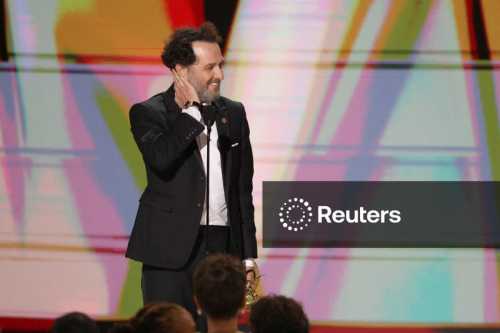
The Equity of Illusion: How Archival Resurgence, AI Disruption, and Labor Friction Are Rewiring Celebrity Style
Sep 16, 2026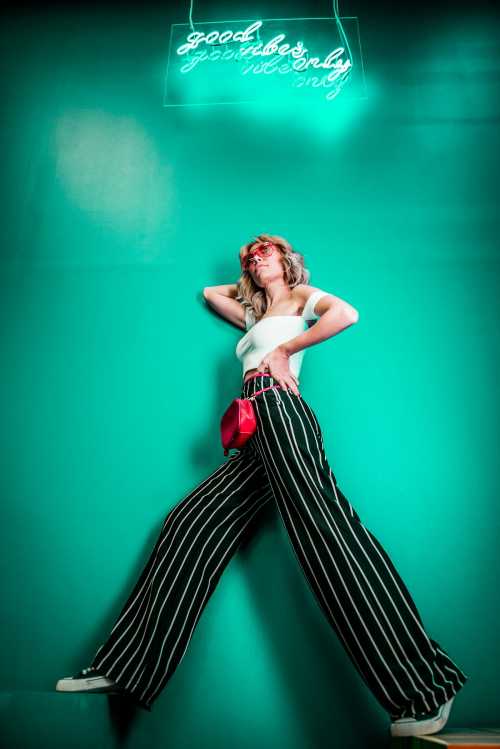
The Vanity Metric Collapse: Why the Celebrity Style Economy is Undergoing a Brutal Market Correction
Sep 15, 2026
Comments (0)
No comments yet. Be the first to share your thoughts!
Want to join the discussion?
Please log in to post a comment.
Login NoworCreate an Account