
The Beauty Industry Recalibration: Regulatory Chokeholds, Algorithmic Dilution, and the Financialization of "Clean"

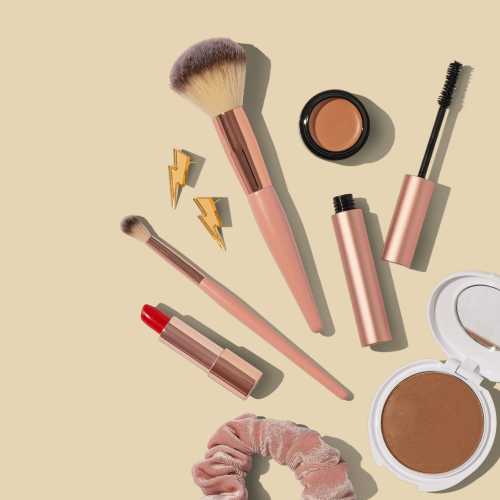
Like a Michelin-starred restaurant replacing its master chefs with algorithmic recipe generators and unverified "organic" labels, only to face a sudden, uncompromising health inspection, the global beauty industry is undergoing a violent structural recalibration. The traditional metrics of brand loyalty, artisanal formulation, and influencer-driven hype have decoupled from operational reality, exposing severe vulnerabilities in capital planning, regulatory compliance, and consumer trust.
The Inflection Point: Regulatory Ambition Meets Operational Fracture
In 2026, the beauty sector reached a definitive inflection point as the Modernization of Cosmetics Regulation Act (MoCRA) enforcement mandated strict FDA Good Manufacturing Practice (GMP) compliance and rigorous adverse event reporting [[10]]. Concurrently, TikTok overtook Instagram as the primary driver of beauty influencer marketing return on investment, while artificial intelligence personalized skincare tools collided with aggressive private equity consolidation in the clean beauty market [[44]].
Echoes of the 1938 Regulatory Reckoning
This current convergence of regulatory tightening and market consolidation mirrors the passage of the 1938 Federal Food, Drug, and Cosmetic (FD&C) Act. Just as the 1938 Act abruptly ended the "patent medicine" era by demanding empirical safety proof and standardized labeling, MoCRA is terminating the "wild west" of indie cosmetics. The historical lesson is stark and unforgiving: when a regulatory framework shifts the baseline of operational compliance, the entities that survive are those with the capital reserves to absorb administrative overhead, not necessarily the creators of the most innovative or ethically pure formulations. The 1938 transition forced a market correction that favored scale and scientific rigor over scrappiness, a blueprint modern indie brands are now being forced to navigate under vastly more complex digital and globalized conditions.
The Compliance Chokehold on Independent Formulators
Mainstream coverage frames MoCRA as an unalloyed victory for consumer safety, systematically ignoring the regressive economic impact it imposes on emerging talent. The mandate requires cosmetics manufacturers to report serious adverse events to the FDA within 15 business days and adhere to stringent, newly finalized GMP regulations [[15]]. This regulatory friction acts as a protective moat for mega-conglomerates, who possess the legal infrastructure and dedicated compliance teams to absorb these costs. Boutique labels, however, face existential extinction. The unseen implication is the sanitization of the indie beauty market; brands can no longer rely on agile, low-overhead operations and must instead pivot to dry, operational data disclosures that fundamentally alter their go-to-market speed and drain capital from research and development.
The Algorithmic Dilution of Clinical Efficacy
Simultaneously, the integration of artificial intelligence into beauty commerce is creating a severe brand equity paradox. AI-powered diagnostic consultations and virtual try-on tools are becoming standard, shifting power from cosmetic chemists to technology platforms. As one industry report notes, "Beauty brands are leveraging AI in multiple ways: AI-powered diagnostic consultations that surface objective skin data, virtual try-on tools, and personalized recommendations" [[23]]. However, this feedback loop forces brands to prioritize algorithmic engagement over genuine clinical efficacy. The unseen implication is that deploying synthetic modeling or gamified skin diagnostics erodes the scientific rigor that justifies premium pricing. Consumers are increasingly experiencing a disconnect between the flawless digital simulation and the actual biological response, leading to higher product return rates and long-term brand disillusionment.
The Financialization of the "Clean" Ethos
Furthermore, the foundational economics of the clean beauty movement are undergoing a violent structural shift. The global clean beauty market is projected to reach $189.50 billion in 2026, but this growth is attracting predatory private equity capital [[29]]. As market analysts observe, "Targets offering vertical integration, clean beauty and wellness exposure, and international expansion are commanding premium valuations, while heritage brands present consolidation opportunities" [[28]]. This shifts the power dynamic from the founder’s ethical vision to the private equity firm’s quarterly exit multiple. The unseen implication is the hollowing out of the clean beauty ethos; acquisitions are no longer about scaling a mission, but about harvesting proprietary customer acquisition funnels. Post-acquisition, private equity firms routinely strip out expensive, ethically sourced ingredients to improve EBITDA margins, betraying the core consumer base that originally drove the brand's valuation.
The Standardization Defense
Critics of the "compliance chokehold" argument assert that framing MoCRA mandates as a burden ignores the existential threat of unregulated, potentially hazardous cosmetic ingredients. They contend that if an indie brand cannot afford basic safety reporting and GMP compliance, its business model is inherently reckless and deserves market correction. However, this perspective overlooks the asymmetrical power dynamics at play. Mega-conglomerates can easily weaponize these regulations to eliminate boutique competition, consolidating market share under the guise of consumer protection while continuing their own high-volume, extractive practices behind closed doors.
The TikTok Transience Fallacy
Detractors of the platform shift argue that TikTok’s dominance in beauty influencer marketing is a fleeting trend driven by impulse buying via TikTok Shop, and that Instagram still holds higher lifetime customer value for premium brands. They assert that relying on short-form video algorithms sacrifices brand prestige for cheap, disposable engagement. Yet, this argument misreads the structural reality of modern consumer discovery. Data demonstrates that "beauty and personal care brands see an average 3.6x return on investment, with some micro-influencers driving even higher conversion rates" on these platforms [[42]]. This indicates that TikTok’s algorithmic matching is not a temporary fad, but a permanent, highly efficient reallocation of marketing capital that traditional platforms can no longer match.
Strategic Imperatives for Market Participants
For local beauty retailers and indie brands: The immediate priority is to pivot away from competing on global brand prestige and instead cultivate hyper-local, verifiable community partnerships. Invest in "compliance-as-a-service" infrastructure to share the fixed costs of MoCRA reporting, rather than attempting to build these costly legal capabilities in-house.
For citizens and consumers: Purchasing power should be directed exclusively toward brands that publish audited, third-party verified clinical data. Treat terms like "clean," "natural," or "dermatologist-tested" not as marketing buzzwords, but as unregulated claims requiring rigorous skepticism and independent verification.
For marketing executives: Capital allocation must shift from macro-influencer vanity metrics to micro-influencer TikTok Shop integrations. Leverage the proven 3.6x ROI to drive direct, measurable conversion rather than funding ephemeral brand awareness campaigns that fail to translate into bottom-line revenue.
The Six-Month Horizon
By February 2027, the beauty landscape will exhibit three distinct, irreversible shifts. First, we will witness a wave of indie brand bankruptcies or distressed fire-sales directly attributable to the compounding costs of MoCRA compliance and adverse event reporting infrastructure. Second, the FDA will introduce a voluntary but highly publicized "Verified AI Diagnostic" seal for skincare brands, creating a new tier of algorithmic trust that legacy tech-forward brands will monopolize. Finally, major beauty conglomerates will launch proprietary, TikTok-native sub-brands designed exclusively for algorithmic discovery and direct-to-consumer fulfillment, permanently bypassing traditional retail margins and legacy department store gatekeepers.
Related Articles
The Provenance Paradigm: How Cryptographic Tethering, Hype Crackdowns, and Biomaterial Hegemony Are Fracturing the Streetwear Economy
Oct 13, 2026
The Prohibition of Hype: How Sovereign Tariffs and Biometric Enclosure are Liquidating the Independent Streetwear Economy
Oct 13, 2026
Comments (0)
No comments yet. Be the first to share your thoughts!
Want to join the discussion?
Please log in to post a comment.
Login NoworCreate an Account