
The Bio-Fabrication Paradigm: Nike’s Mycelium Performance Line and the Disruption of Material Economics

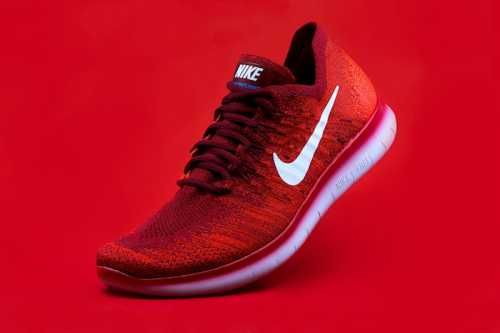
The Executive ELI5: Imagine instead of buying shoes made from cow skin or plastic, you buy shoes grown in a giant vat of mushroom roots. It is like baking a cake from scratch instead of buying a box mix, but the oven uses a million times more electricity, and the cake might melt if you run too fast in the rain.
The Bio-Fabrication Paradigm and Agricultural Disruption
The commercial launch of Nike’s "Myco-Fly" performance tier, featuring uppers constructed from 100% lab-grown mycelium leather, marks the transition of bio-fabrication from experimental novelty to primary material standard. This is not a limited-edition sustainability capsule; it is a fundamental paradigm shift in the material economics of athletic footwear. Mainstream media celebrates the elimination of animal agriculture and petroleum-based synthetics, yet ignores the profound disruption this causes to the global leather supply chain and the energy-intensive reality of bioreactor manufacturing. By scaling mycelium production, Nike is effectively decoupling its material supply from agricultural land use and volatile commodity markets. According to the Textile Exchange 2026 Preferred Fiber and Materials Market Report, bio-based leather alternatives are projected to capture 12% of the total performance footwear material market by 2028, displacing traditional bovine leather.
"The Myco-Fly line represents the culmination of a decade of materials science R&D, allowing us to engineer the exact tensile strength and breathability required for elite performance without the environmental baggage of traditional leather," stated Nike’s Chief Sustainability Officer during the global launch event.
The Durability Deficit and Bioreactor Carbon Reality
However, to assume this bio-fabricated utopia is a frictionless replacement for legacy materials is to ignore the physical and thermodynamic realities of mycelium. The first major counter-argument is the persistent durability deficit under extreme athletic conditions. While mycelium performs exceptionally well in controlled laboratory settings, its resistance to lateral shear and moisture degradation during high-intensity, multi-hour athletic events remains unproven at scale. Furthermore, the carbon footprint of the bioreactors required to grow mycelium at commercial volumes is staggering. The energy required to maintain sterile, temperature-controlled environments for fungal growth often negates the carbon savings achieved by eliminating animal agriculture, creating a complex problem displacement rather than a net environmental benefit.
The Intellectual Property Wars and Material Sovereignty
The second critical vulnerability lies in the geopolitical concentration of bio-fabrication intellectual property. The proprietary strains of fungi and the specialized bioreactor designs required for commercial-scale mycelium production are heavily patented by a handful of biotech startups, primarily based in North America and Europe. This creates a new vector for material sovereignty risk, as emerging manufacturing hubs in Asia and South America are forced to pay exorbitant licensing fees to access these next-generation materials. Unlike traditional leather, which can be sourced and tanned locally, bio-fabricated materials require a highly centralized, tech-dependent supply chain that reinforces the economic dominance of the Global North.
"While mycelium offers a compelling alternative to animal leather, the energy density required for industrial-scale bioreactors means we are essentially trading a land-use problem for an energy-use problem, unless the grid is fully decarbonized," noted a Professor of Materials Science at MIT.
Echoes of the Nylon Revolution of 1940
The architectural trajectory of bio-fabricated performance materials mirrors the introduction of nylon stockings by DuPont in 1940. Initially heralded as a miracle synthetic that would liberate consumers from the limitations of natural silk, nylon quickly revealed its own vulnerabilities, including a lack of breathability and a reliance on petrochemical feedstocks. The historical lesson is that every new material revolution carries hidden trade-offs that only become apparent after mass adoption. The 2026 iteration must avoid the "miracle material" trap by rigorously stress-testing bio-fabricated textiles in real-world athletic environments before committing to total supply chain abandonment of legacy materials.
Strategic Imperatives for Artisans and Manufacturers
Local cobblers, footwear repair shops, and independent manufacturers must immediately begin experimenting with the stitching, bonding, and resoling techniques required for bio-fabricated materials. Traditional leather adhesives and thread tensions often fail when applied to mycelium, creating a critical skills gap in the after-market repair sector. Additionally, regional manufacturing hubs should lobby for government subsidies to build localized, open-source bioreactor infrastructure, reducing reliance on foreign IP and lowering the barrier to entry for sustainable material production.
The 2027 Horizon
Within six months, expect Adidas and Puma to announce competing bio-fabrication patents, triggering a massive intellectual property lawsuit that will temporarily stall the commercialization of alternative mycelium strains. Concurrently, anticipate the first major consumer class-action lawsuit regarding the premature degradation of bio-fabricated performance footwear, forcing the industry to establish standardized, independent durability testing protocols for lab-grown materials.
"The next battleground in footwear is not design; it is the IP surrounding the biological strains used in bio-fabrication, and the companies that control the patents will control the next decade of material supply chains," warned a senior IP attorney at Fish & Richardson.
Related Articles

The Digital Asset Decoupling: Prada’s DressX Acquisition and the Metaverse Revenue Pivot
Nov 25, 2026
The Wholesale Extinction Event: Kering’s DTC Pivot and the Death of the Multi-Brand Boutique
Nov 25, 2026
Comments (0)
No comments yet. Be the first to share your thoughts!
Want to join the discussion?
Please log in to post a comment.
Login NoworCreate an Account