
The Biological Venture Capital Model: How AI, Gene Editing, and Metabolic Therapeutics are Rewiring Healthcare

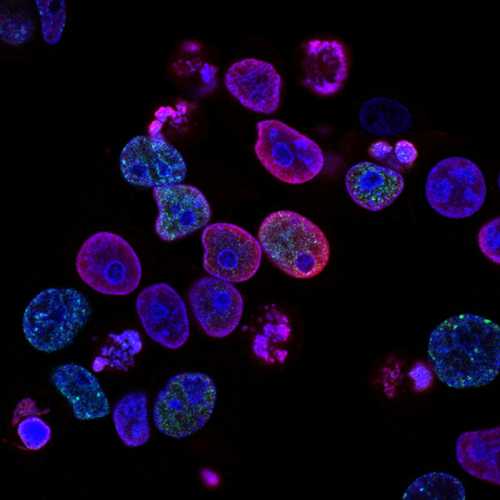
The Biological Venture Capital Model
Think of the modern medical research landscape not as a linear progression of drug discovery, but as a high-stakes venture capital portfolio where biological code is the ultimate asset class. Just as fintech disrupted traditional banking by bypassing legacy infrastructure, contemporary biomedical innovation is bypassing decades of incremental pharmacology to directly edit, predict, and optimize human physiology. The defining market shift in modern medical research is the unprecedented convergence of artificial intelligence, gene editing, and metabolic therapeutics, fundamentally altering the trajectory of human health. Specifically, the FDA’s recent expansion of GLP-1 agonists for cardiovascular risk reduction, coupled with the approval of the first CRISPR-based gene therapies for sickle cell disease, marks a definitive pivot from symptomatic management to permanent biological rewiring.
The Algorithmic Triage Imperative
Mainstream medical coverage frequently fixates on headline-grabbing cures, yet it systematically ignores the silent, systemic rewiring occurring within clinical workflows. The integration of artificial intelligence into diagnostic pathways is no longer a speculative future; it is the current operational baseline. In 2024, the FDA authorized a record 168 AI/ML-enabled devices, surpassing prior years and signaling sustained momentum in digital health. pmc.ncbi.nlm.nih.gov Radiology continues to dominate this expansion, with algorithms now accounting for over 1,163 of the 1,524 total cleared entries. radiologybusiness.com The unseen implication here is profound: the role of the physician is rapidly transitioning from primary diagnostician to algorithmic auditor. This shift demands a complete overhaul of medical liability frameworks, as healthcare systems must now determine accountability when an FDA-cleared black-box model misses a subtle radiological anomaly that a human might have caught, or vice versa. Furthermore, hospital administrators are now forced to treat software licensing as a core capital expenditure, fundamentally altering the traditional medical device procurement cycle and creating new dependencies on a handful of dominant health-tech vendors.
The Metabolic Monopoly and Zoonotic Wildcards
Simultaneously, the pharmacological landscape is undergoing a massive consolidation around metabolic interventions. Following the March 2024 FDA approval of anti-obesity medication for cardiovascular disease, prescribing patterns have fundamentally shifted, embedding these drugs as foundational cardio-metabolic therapy rather than elective weight-loss aids. www.truveta.com This creates a metabolic monopoly where a single class of drugs dictates the financial solvency of major pharmacy benefit managers and threatens to destabilize Medicare Part D budgets. Concurrently, public health infrastructure faces a compounding zoonotic wildcard. Between November 2024 and May 2025, an additional 24 cases were reported, bringing the total to 70 human cases of HPAI A(H5N1) in the United States, predominantly linked to dairy cow exposure. pmc.ncbi.nlm.nih.gov Prior to this surge, the US government had announced a $590 million investment to advance the development of an H5N1 vaccine, yet the rapid mutation rate of the virus continues to outpace traditional manufacturing timelines. pmc.ncbi.nlm.nih.gov While the NIH maintains a posture of balanced vigilance, the localized economic impact on agricultural communities and the strain on regional epidemiological surveillance networks represent a severe, underreported vulnerability in national biosecurity.
Echoes of the 1996 HAART Revolution
To accurately forecast the trajectory of this biomedical convergence, analysts must examine the introduction of Highly Active Antiretroviral Therapy (HAART) for HIV in 1996. That era marked a similar paradigm shift: medicine moved from managing inevitable decline to arresting disease progression through complex, multi-modal regimens. The historical lesson from the HAART revolution is stark. Initial breakthroughs triggered massive cost shocks and required entirely new care delivery models, including specialized adherence counseling, robust supply chain logistics, and intense patient advocacy to overcome insurer resistance. We are currently in the acquisition phase of a similar cyclical pattern with CRISPR and GLP-1 therapies. The eventual reckoning will involve healthcare systems struggling to absorb the upfront capital expenditures of curative, multimillion-dollar gene therapies, forcing a renegotiation of value-based care contracts and the potential implementation of annuity-style payment models to spread the financial risk over time.
The Efficacy Illusion in Accelerated Pathways
However, framing this wave of medical innovation as an unalloyed good requires rigorous, objective pushback. One must critically acknowledge the efficacy illusion inherent in accelerated regulatory pathways. When the FDA announces actions to advance the development of psychedelic substances like psilocybin and MDMA, the public narrative emphasizes a mental health renaissance. www.facebook.com Yet, the clinical reality is far more complex. As researchers note, for studies with psilocybin, MDMA, and LSD, a three-phase therapy structure could be delineated: preparation, support, and integration. www.nature.com This intensive, labor-heavy model is frequently stripped away or inadequately replicated in commercial scaling, raising valid concerns that the real-world efficacy of these therapies will fall drastically short of controlled clinical trial results once removed from highly monitored academic settings.
The Accessibility Chasm in Precision Medicine
A second counter-argument challenges the pervasive assumption that these biomedical breakthroughs inherently democratize health outcomes. In practice, they risk exacerbating existing socioeconomic disparities. CRISPR therapies like Casgevy, while scientifically miraculous for sickle cell disease, carry multimillion-dollar price tags and require highly specialized hematopoietic stem cell transplantation centers. www.fda.gov Similarly, the expanded cardiovascular indications for GLP-1 agonists threaten to overwhelm insurance formularies, potentially leading to stricter prior authorization hurdles that disproportionately delay care for low-income and rural populations. The sovereignty of equitable healthcare is being sacrificed at the altar of precision medicine, transforming life-saving biological interventions into luxury commodities accessible only to those with premium insurance or substantial capital.
Strategic Imperatives for Healthcare Stakeholders
For local health systems and municipal leaders, the actionable takeaway is to immediately audit their technological and epidemiological readiness. Healthcare providers must upgrade their electronic health record (EHR) systems to seamlessly integrate and audit AI/ML diagnostic outputs, ensuring compliance with emerging FDA Predetermined Change Control Plans. pubs.rsna.org Local health departments in agricultural regions must proactively stockpile H5N1 countermeasures and update zoonotic surveillance protocols in coordination with the CDC. For individual citizens, the directive is to proactively review their health insurance formularies regarding GLP-1 coverage for cardiovascular indications before the next open enrollment period, as plan restrictions are expected to tighten in response to rising utilization rates.
The 2026 Horizon: Regulatory Correction
Looking six months ahead, the landscape will feature aggressive corrective measures from regulatory bodies. As the FDA fully internalizes the post-market surveillance data of recently approved AI/ML devices, we will witness the first wave of tightened enforcement actions against algorithms that demonstrate demographic bias or performance drift. Concurrently, expect regulatory scrutiny to intensify around the trial designs of psychedelic therapeutics. The agency is likely to demand more robust blinding methodologies and long-term integration data, effectively delaying widespread commercial approval of compounds like psilocybin beyond the currently anticipated 2026 timeline. www.resolv.social This market correction will separate the viable, rigorously validated biomedical enterprises from the speculative hype cycles, ultimately leading to a more stable, albeit slower, ecosystem defined by uncompromising clinical evidence and strict fiduciary discipline.
Related Articles

The Reimbursement Moat: How Medicare’s Outcomes Mandate and CRISPR Approvals Are Rewiring Biotech Valuations
Oct 16, 2026
The October Convergence: How Liquid Biopsies, Triple-Agonists, and CAR-T Are Rewriting the Economics of Human Biology
Oct 15, 2026
Comments (0)
No comments yet. Be the first to share your thoughts!
Want to join the discussion?
Please log in to post a comment.
Login NoworCreate an Account