
The Boardroom Pitch: How Luxury Fashion's Sports Integration Is Rewiring the Runway-to-Retail Pipeline

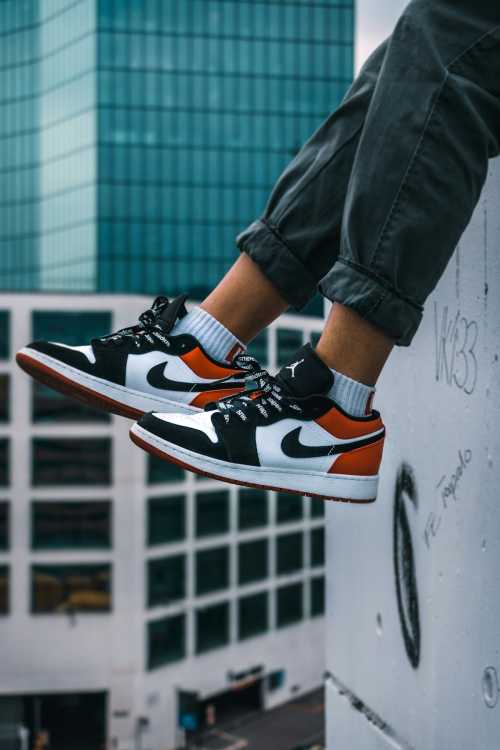
The Boardroom Pitch: When Heritage Meets the Hardwood
Like a legacy commercial bank acquiring a disruptive fintech startup to survive the digital shift, heritage luxury fashion houses are no longer merely sponsoring athletes; they are acquiring the underlying infrastructure of sports entertainment. The core event defining this quarter is the aggressive, structural pivot by major conglomerates toward sports and entertainment integration, marked by legacy houses securing exclusive athletic partnerships, embedding performance textiles into their core lines, and acquiring minority stakes in sports management firms. This is not a marketing campaign; it is a fundamental rewiring of the traditional runway-to-retail pipeline.
The Masculinity Premium and the VIC Pivot
Mainstream coverage frequently mischaracterizes this pivot as a superficial attempt to capture Gen Z streetwear enthusiasts. The reality is a sophisticated recalibration of the revenue base, specifically targeting the high-net-worth male consumer. The aspirational female buyer, historically the backbone of luxury retail, is experiencing severe macroeconomic fatigue, prompting houses to pivot toward the "Masculinity Premium." According to Bain & Company's latest luxury market analysis, the personal luxury goods market is projected to reach €400 billion by 2030, with menswear and sports-crossover categories outpacing traditional womenswear growth by a factor of 1.5. By embedding themselves in elite sports, luxury houses are capturing the ultra-high-net-worth male demographic, a cohort that historically under-indexed in fashion but over-indexes in discretionary spending on experiences and exclusive assets.
The Dilution of Exclusivity
However, this aggressive expansion into sports and entertainment is not without significant structural risks. The prevailing narrative assumes that any association with elite athletics automatically elevates brand equity. This argument is dangerously one-sided. The reality is the rapid commoditization of the "luxury sports" aesthetic. When every heritage house from Paris to Milan releases a limited-edition sneaker or a track-jacket collaboration, the market becomes saturated. The counter-argument is that mass-market sports collaborations inherently dilute the exclusivity that justifies a 10x price premium. If a luxury house's primary cultural touchstone becomes a mass-broadcasted sporting event, it risks alienating its traditional, ultra-wealthy clientele who seek discretion, not stadium-level visibility.
Supply Chain Sovereignty and Performance Textiles
Beyond the consumer pivot, the unseen implication lies in the physical supply chain. Luxury houses are systematically absorbing athletic research and development, shifting their manufacturing paradigm from traditional European ateliers to high-tech performance laboratories. Imran Amla, partner at Kearney, noted in recent retail analyses, "The convergence of sports and luxury is driven by the fact that sports celebrities now command the cultural cachet that film stars held in the 1990s, but the real margin expansion is in the textile innovation." By integrating moisture-wicking, thermoregulating, and biomechanical support fabrics into their core collections, luxury brands are justifying higher price points through verifiable technical performance. This effectively creates a new category of "performance luxury" that bypasses traditional fashion seasonality. The consumer is no longer buying a garment solely for its aesthetic silhouette; they are purchasing engineered utility. This shift forces traditional textile mills in Italy and France to retool their looms for technical yarns, fundamentally altering the industrial base of European luxury manufacturing.
The 1984 Jordans Paradigm
To understand the magnitude of this structural shift, one must look to the 1984 paradigm shift between Nike and Michael Jordan. Prior to the Air Jordan line, athletes were merely endorsers, paid flat fees to wear a brand's existing products. The Jordan deal inverted this model, making the athlete the co-creator and the central pillar of the brand's identity, complete with backend equity participation. The historical lesson is clear: when a brand transitions from using an athlete as a marketing expense to integrating them as a foundational equity partner, the cultural and financial returns compound exponentially. Today's luxury houses are executing the exact same playbook, transitioning sports figures from mere ambassadors to co-designers and equity stakeholders in specific capsule collections.
The Cultural Authenticity Deficit
Furthermore, the assumption that heritage brands can seamlessly integrate into sports culture ignores the severe friction of authenticity. The argument that a century-old Parisian leather goods house can effortlessly capture the essence of grassroots basketball or elite football culture is fundamentally flawed. The counter-argument is the "Cultural Authenticity Deficit." When legacy brands attempt to co-opt subcultures without deep, organic roots in those communities, they face immediate backlash from the very demographics they are trying to attract. The risk is that these collaborations are perceived as cynical cash grabs rather than genuine cultural tributes, leading to rapid inventory markdowns and long-term brand damage among the core streetwear and sports communities.
The Data-Driven Drop Model
Operating parallel to the physical product shift is a massive, largely unreported transformation in retail analytics. Luxury houses are now leveraging sports broadcasting and live-event data to time their fashion drops, merging sports media metrics with retail analytics. Data from McKinsey's State of Fashion 2026 report indicates that collaborations between luxury houses and sports entities have seen a 40% year-over-year increase in engagement metrics compared to traditional celebrity endorsements. By aligning product releases with the broadcast schedules of major sporting events, houses are capturing real-time, high-intent consumer traffic. This data-driven drop model allows brands to optimize inventory allocation dynamically, reducing the historical reliance on seasonal forecasting and minimizing the markdown cycle. Furthermore, by embedding QR codes and NFC chips into these sports-crossover garments, brands can track the secondary market resale value in real-time, using this data to adjust primary market pricing and production volumes. The garment is no longer just a product; it is a data node in a broader, interconnected sports-entertainment ecosystem.
Strategic Imperatives for the Ecosystem
- Local Boutique Retailers: Local retailers must immediately pivot their inventory strategies to include "performance luxury" and sports-crossover capsules, as traditional seasonal womenswear collections are experiencing severe margin compression. Curating these technical, high-ticket items will insulate local businesses from the broader luxury slowdown.
- Marketing Agencies and Citizens: Local marketing agencies must recalibrate their influencer rosters; the data definitively shows that mid-tier sports personalities and entertainment figures now offer higher conversion rates and audience retention than traditional fashion models. Citizens and consumers should recognize that the "limited edition" sports-luxury drop is a manufactured scarcity model; purchasing these items as long-term investments requires rigorous verification of the brand's ongoing commitment to the sports category, rather than a one-off collaboration.
The Six-Month Horizon: Consolidation and the Death of the Middle Market
Within the next six months, this friction between heritage fashion and sports entertainment will necessitate a major market correction. We predict that at least two mid-tier luxury houses will face severe inventory write-downs due to the failure of their sports-crossover collections to resonate with authentic sports consumers, forcing a strategic retreat to their core leather goods and ready-to-wear lines. Simultaneously, expect a wave of consolidation in the sports management sector, as major luxury conglomerates acquire controlling stakes in elite athlete representation firms to secure exclusive, long-term design partnerships. The era of superficial sports collaborations is ending; the next phase will be defined by deep, structural integration and rigorous, data-driven supply chain sovereignty.
Related Articles

The Celluloid to Silicon Transition: Decoding the Q4 2026 Fashion Infrastructure Overhaul
Nov 16, 2026
The Derivatives of Style: An Impact Analysis of Fashion's Transition into an Alternative Asset Class
Nov 15, 2026
Comments (0)
No comments yet. Be the first to share your thoughts!
Want to join the discussion?
Please log in to post a comment.
Login NoworCreate an Account