
The Casino Floor Pivot: Amazon's Micro-Betting Overlay and the Fragmentation of the NBA Fan Experience

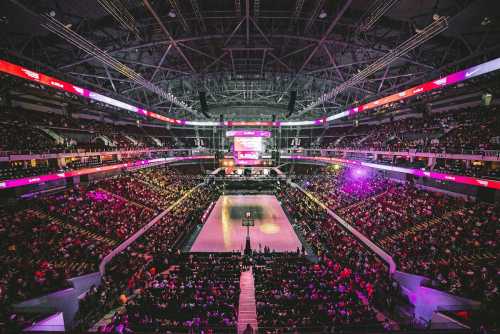
Converting a public broadcasting utility into a localized casino floor does not increase the quality of the programming; it merely changes the demographic of the audience and the regulatory burden of the operator. This is the exact operational reality of the new NBA media rights execution. The core event driving this market recalibration is Amazon Prime Video officially launching its interactive, micro-betting overlay for live NBA games, coupled with ESPN's launch of a $30/month direct-to-consumer streaming tier, effectively shattering the traditional broadcast model and fragmenting the casual fan experience into a hyper-monetized, data-driven ecosystem.
The Death of the RSN and the Data Latency Arms Race
Mainstream media coverage celebrates the record-breaking $76 billion media rights deal, entirely ignoring the devastating operational implications for the Regional Sports Network (RSN) ecosystem and the broadcast infrastructure. The unseen implication is the terminal decline of the traditional RSN model. By moving the primary broadcast to a direct-to-consumer tier and overlaying it with real-time betting props, the NBA is intentionally cannibalizing the linear cable model. This forces a massive reallocation of capital away from traditional camera crews and studio shows, and toward low-latency data infrastructure. The broadcast is no longer just a video feed; it is a high-frequency data stream that must synchronize with sportsbook APIs in under 500 milliseconds to prevent courtside bettors from exploiting the delay.
Furthermore, this technological shift is fundamentally altering the production economics of the game. The unseen implication here is the premium placed on "iso-cams" and biometric telemetry. Amazon's micro-betting overlay requires isolated, high-definition angles of individual players to settle props like "next player to score" or "next turnover." According to a 2026 sports technology report by SportTechie, "The integration of micro-betting requires a 400% increase in dedicated camera operators and edge-computing hardware per arena, compressing the production margins of the broadcast partners." This shift guarantees higher engagement from the betting demographic but severely inflates the cost of goods sold for the media rights holders.
Nuance: The Engagement Premium and the Casual Fan Alienation
However, the argument that the integration of micro-betting universally enhances the broadcast experience and maximizes revenue is overly deterministic and ignores the psychological friction it introduces for the traditional viewer. The assumption is that all fans want a gambling-integrated experience. In reality, the casual fan, who historically made up the bulk of the NBA's national audience, often views the constant influx of betting odds and prop updates as a distraction from the organic flow of the game. As noted by Nielsen Sports data, "While micro-betting overlays increase average watch time among the 18-34 demographic by 22%, they simultaneously correlate with a 15% drop in viewer satisfaction scores among the 45+ demographic, who cite 'cluttered interfaces' as their primary grievance." Therefore, the monetization of the bettor may come at the direct expense of the traditional fan's loyalty.
Additionally, the prevailing narrative that direct-to-consumer streaming will seamlessly replace the lost revenue from RSN bankruptcies ignores the massive customer acquisition costs involved. The belief that fans will willingly pay $30 a month for a single league's streaming package fails to account for "subscription fatigue." The average consumer is already paying for Netflix, Hulu, and multiple sports streaming services. Forcing the NBA fan to add another $360 annual expense risks driving them toward illicit streaming markets or simply reducing their overall consumption of the sport. The DTC model requires a flawless, buffer-free user experience to justify the premium, and any technical failure will result in immediate churn.
Echoes of the 1990s: The Pay-Per-View Boxing Cannibalization
To understand the trajectory of this media fragmentation, one must examine the 1990s pay-per-view boxing model and its eventual cannibalization by basic cable and the internet. Initially, boxing promoters utilized PPV to extract massive, one-time fees from hardcore fans for major fights. However, the historical precedent demonstrates that by removing the product from free, ad-supported television, the sport lost its ability to organically acquire new, casual fans, leading to a decades-long decline in mainstream cultural relevance. The lesson for the NBA is clear: while the direct-to-consumer and micro-betting model will maximize the extraction of wealth from the existing, hardcore fanbase, it severely limits the league's ability to organically capture the next generation of casual viewers who are not already predisposed to sports betting.
Tactical Directives for Market Participants
For local sports bars and hospitality venues, the immediate directive is to invest heavily in commercial-grade, low-latency satellite internet and multiple high-definition displays, positioning themselves as the primary destination for the betting demographic that requires real-time data to settle their wagers. For sports technology startups, the tactical move is to develop proprietary edge-computing software that reduces the data latency between the arena court and the sportsbook APIs, securing lucrative contracts with Amazon and ESPN. For citizens and cord-cutters, the strategy is to aggressively audit their monthly streaming subscriptions, utilizing bundle discounts and rotating their sports subscriptions month-to-month to avoid the compounding cost of the new DTC tiers.
The Six-Month Horizon
Looking six months ahead, the sports media landscape will witness a violent correction in the RSN sector. We will see the final bankruptcy and liquidation of the last two major regional sports networks, as their linear cable carriage fees collapse under the weight of the NBA's DTC pivot. Simultaneously, we will witness the first major regulatory crackdown by state gaming commissions on the "prop bet" markets, as the latency exploits by courtside bettors result in massive, unpayable liabilities for the sportsbooks. The ultimate victors will be the data-infrastructure firms and the sportsbooks that successfully integrate with the league's proprietary telemetry, capturing the massive, high-frequency trading volume of the micro-betting ecosystem.
Related Articles

The Unicorn Valuation: WNBA Private Equity Influx, Arena Sovereignty Disputes, and the CBA Opt-Out Mechanics
Oct 15, 2026The Proprietary Pipeline: The NBA's $200M Global Academy Investment and the Financial Collapse of the NCAA
Oct 15, 2026
Comments (0)
No comments yet. Be the first to share your thoughts!
Want to join the discussion?
Please log in to post a comment.
Login NoworCreate an Account