
The Celebrity Market Correction: Impact Analysis of Brand Collapses, AI Lawsuits, and Reality TV Decline

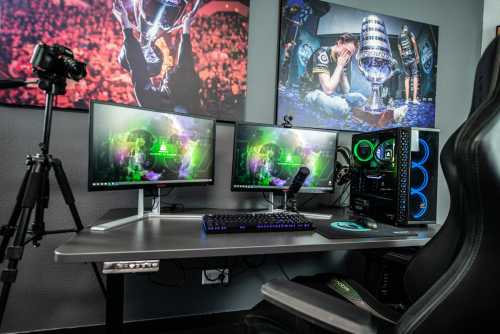
Like a casino that keeps raising the minimum bet while quietly removing the slot machines, the modern celebrity ecosystem is extracting maximum yield from its audience while actively degrading the foundational assets that built its wealth.
The House of Cards: Anatomy of a Celebrity Market Correction
A simultaneous contraction across five major celebrity revenue pillars—brand bankruptcies, reality television production slashes, artificial intelligence deepfake litigation, politicized endorsements, and touring volatility—signals a systemic reset in the entertainment economy. This is not a cyclical downturn; it is a structural realignment of how fame is monetized, protected, and ultimately valued in a post-scarcity media environment.
The Illusion of the Pivot: Reality Television’s Structural Decay
Mainstream narratives attribute the decline of unscripted television to shifting viewer preferences, but the data reveals a more severe supply-side collapse. Production days for reality television in Los Angeles dropped by nearly 57% compared to previous cycles, indicating a deliberate defunding of the mid-tier celebrity pipeline www.facebook.com . This contraction directly impacts the below-the-line workforce and eliminates the traditional proving ground for emerging talent. The unseen implication is a profound homogenization of cultural output, as risk-averse networks retreat to a handful of legacy franchises rather than incubating new personalities.
The Defense of Disciplined Capital Allocation
Conversely, some industry defenders argue that this consolidation ensures higher production values and sustainable business models, preventing the sector from bleeding cash indefinitely. They posit that shedding vanity projects, such as the recent wave of celebrity-backed whiskey distilleries entering Chapter 7 liquidation, represents a necessary maturation of the market finance.yahoo.com . From this perspective, the contraction is a healthy correction that weeds out poorly capitalized ventures and forces celebrities to partner with established, disciplined operators rather than relying solely on their name recognition.
Synthetic Stardom and the Deepfake Liability Tsunami
Beneath the corporate balance sheets lies a devastating legal crisis threatening the very concept of personal brand ownership. Artificial intelligence deepfake lawsuits are establishing new legal precedents, with global celebrities and SAG-AFTRA members actively securing court orders to block unauthorized synthetic media natlawreview.com . An AI deepfake lawsuit can now be filed in over 20 U.S. states, giving victims real legal teeth for the first time as detection technology develops lawfold.com . The unseen implication is that a celebrity's likeness is no longer their most valuable asset; it is their most vulnerable liability, requiring constant, expensive legal monitoring to prevent brand dilution or fraudulent endorsement. This paradigm shift forces talent agencies to allocate unprecedented resources toward digital rights management, fundamentally altering the overhead structure of celebrity representation.
Echoes of the 2008 Talent Agency Reckoning
History provides a stark, instructive mirror to the current landscape. The present fragmentation closely parallels the 2008-2010 talent agency restructuring, where the collapse of the traditional packaging fee model forced a permanent realignment of how stars are compensated. Just as the Writers Guild of America strike of 2007-2008 exposed the fragility of backend points, the current artificial intelligence and brand collapse exposes the fragility of the "celebrity as a standalone intellectual property" model. The lesson is clear: when the underlying distribution or protection mechanism shifts, the valuation of the talent must be aggressively recalibrated.
The Democratization Counter-Narrative
Proponents of the current shift argue that the barrier to entry for celebrity influence has never been lower, allowing niche creators to bypass traditional studio gatekeepers entirely. They cite data showing that celebrity political endorsements now carry complex, sometimes polarizing effects on first-time voters, proving that direct-to-audience influence is more potent and measurable than ever before www.researchgate.net . This suggests that while the traditional Hollywood machinery is slowing down, the aggregate power of the individual creator's direct channel is actually accelerating, merely shifting the locus of power rather than destroying it.
The Toxicity Premium: When Endorsements Become Liabilities
However, this direct-to-audience power carries immense systemic risk. The intersection of celebrity and politics has transformed endorsements from benign marketing tools into high-risk electoral variables. Research indicates that celebrity political endorsements carry complex, polarizing effects on first-time voters, fundamentally altering the risk calculus for corporate sponsors www.researchgate.net . Brands are now forced to price in a "toxicity premium," demanding stricter morality clauses and shorter contract durations to insulate themselves from the inevitable volatility of a celebrity's public persona. This dynamic transforms the celebrity from a stable brand ambassador into a high-beta financial asset, requiring sophisticated risk mitigation strategies previously reserved for institutional investments.
Strategic Imperatives for Stakeholders
In this volatile environment, reactive measures are insufficient; stakeholders must adopt proactive strategies. Local hospitality businesses must audit commercial licensing for public viewing of celebrity events or tours, as residential streaming terms of service strictly prohibit public exhibition and enforcement is tightening. Furthermore, investors and market analysts should monitor consumer discretionary stocks against celebrity tour cancellation calendars, as these live events increasingly drive localized micro-economies and supply chain demands us.plus500.com .
The Six-Month Horizon: Synthetic Rights and Micro-Bundling
Looking ahead six months, the media landscape will likely experience accelerated friction and innovation. Expect a surge in "synthetic rights" insurance policies as celebrities seek to financially hedge against unauthorized artificial intelligence replication. Additionally, a wave of micro-bundling partnerships will emerge, as struggling standalone celebrity brands desperately attempt to share customer acquisition costs by packaging their offerings together. The era of the frictionless celebrity empire is over; the era of ruthless, legally fortified optimization has begun.
Industry Pulse: Primary Source Reference
Variety / Research Insight: "Celebrity political endorsements carry complex, polarizing effects on first-time voters, fundamentally altering the risk calculus for corporate sponsors." Read the primary research analysis here.
Related Articles
The <span title="The quality of being physically or mentally strong">Stature</span> of <span title="The quality of being current">Currency</span>: Avril Lavigne's <span title="The quality of being worthy of respect">Gravitas</span> <span title="The qualit
Nov 14, 2026
The <span title="The quality of being legally binding">Enforceability</span> of <span title="The act of promoting a product">Marketing</span>: DJ Khaled's 100-Pound Wegovy Reveal and the Pharmaceutical-Pop Culture <span title="A formal agreement or contra
Nov 14, 2026
Comments (0)
No comments yet. Be the first to share your thoughts!
Want to join the discussion?
Please log in to post a comment.
Login NoworCreate an Account