
The Celebrity Style Industrial Complex: Vintage Gentrification, AI Avatars, and the Stylist Burnout Crisis

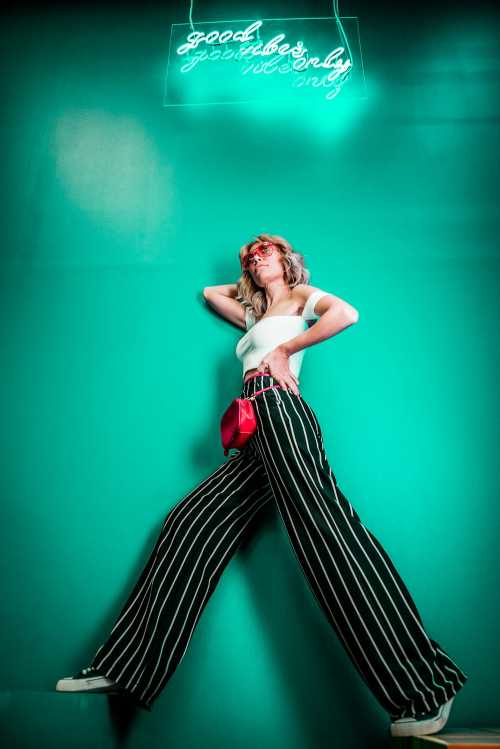
Imagine a financial market where asset values are not determined by quarterly earnings reports, but by the millimeter of a hemline captured by a telephoto lens, and where the primary brokers are subjected to 24-hour on-call surveillance without overtime compensation. This is the operational reality of the celebrity style ecosystem in 2026.
The Macro Shift: From Quiet Luxury to Algorithmic Maximalism
The 2026 celebrity style landscape has undergone a violent structural pivot, characterized by the abrupt abandonment of "quiet luxury" in favor of maximalist, archival-driven red carpet statements, concurrent with the aggressive normalization of AI-generated fashion avatars. This transition is not merely aesthetic; it represents a fundamental recalibration of how cultural capital is manufactured, distributed, and monetized in the post-pandemic entertainment economy. As industry analysts observe, "In 2026, maximalism takes many forms, from 80s-inspired power glam to styles that demand attention," signaling a definitive end to the staunch minimalism that dominated the previous half-decade www.marieclaire.com . This rebound is a manufactured response by luxury conglomerates attempting to stimulate consumer desire after the market saturation of logo-free basics failed to sustain premium pricing power.
Echoes of the Early 2000s Stylist Commodification
This current dynamic directly mirrors the early 2000s "stylist-as-celebrity" boom, an era that transformed behind-the-scenes wardrobe coordination into highly visible, yet heavily exploited, media properties. During that period, the rapid commercialization of personal styling led to severe professional burnout and a systemic lack of standardized credit or compensation frameworks. The historical lesson is clear: when an industry rapidly monetizes a previously informal labor sector without establishing structural protections, it inevitably triggers a corrective backlash. We are currently witnessing the maturation of that same cycle, where the initial glamorization of the role is giving way to demands for formalized contracts, intellectual property rights for styling concepts, and basic labor protections.
The Stylist Labor Precarity
Mainstream fashion coverage relentlessly glorifies the red carpet as a seamless display of creative genius, systematically ignoring the systemic burnout and precarious gig-economy reality of the celebrity stylists orchestrating these moments. Industry insiders have increasingly vocalized the severe occupational toll, with prominent professionals detailing the "blood, sweat, and tears behind being a celebrity stylist" in an environment that demands 24/7 availability www.instagram.com . These creatives are increasingly treated as disposable, high-stress vendors rather than equity-holding creative partners. This dynamic has led to a wave of high-profile firings and abrupt departures that destabilize long-term brand relationships, as stylists are forced to absorb the financial and reputational risk of last-minute logistical failures www.instagram.com .
Counter-Argument: The Agency and Compensation Defense
Critics of the stylist precarity narrative argue that the immense visibility and lucrative compensation packages associated with top-tier celebrity styling justify the demanding hours, granting these professionals unprecedented cultural agency. From this perspective, the "precarious" label is an exaggeration, as successful stylists wield significant negotiating power and can leverage red carpet placements into independent business ventures, such as launching their own clothing lines or securing television judging roles. While this upward mobility is real for the top one percent, it fundamentally obscures the power asymmetry for the vast majority of mid-tier and assistant stylists whose "lucrative" pay is often contingent on waiving basic labor protections, health benefits, and reasonable working hour caps.
The Vintage Gentrification Paradox
While A-list celebrities are lauded for championing sustainable fashion on the red carpet through vintage and upcycled garments www.instagram.com , this trend carries a severe, unreported downstream economic consequence: the gentrification of the archival clothing market. As luxury houses and celebrity styling teams aggressively buy back and hoard rare, historical pieces to secure exclusive red carpet placements, the supply of authentic vintage clothing for independent consumers and small boutiques has plummeted. This artificial scarcity drives prices upward exponentially, transforming sustainable fashion from an accessible, circular economy practice into an exclusionary luxury good accessible only to those with corporate styling budgets. The environmental virtue signaling of the red carpet is effectively subsidizing the exclusion of the working class from the secondary market.
The AI Biometric Encroachment
Simultaneously, the integration of artificial intelligence into celebrity endorsement is decoupling brand identity from human liability. Fashion brands are increasingly deploying fully digital avatars and AI fashion models to front campaigns, ensuring flawless execution without the risk of human error www.facebook.com . However, this technological leap introduces profound ethical vulnerabilities. These AI models "often rely on datasets containing real images of people, which may involve biometric data such as facial features and body" metrics without explicit, ongoing consent ukai.co . This allows corporations to bypass the reputational risks of human celebrity scandals while quietly harvesting and commodifying human biometric data, creating a new frontier of unregulated digital exploitation.
Counter-Argument: The Synthetic Diversity Illusion
Proponents of AI fashion models contend that digital avatars democratize representation, allowing brands to showcase diverse, customizable body types and ethnicities without the logistical and financial constraints of traditional human fittings. They argue that this technology bypasses the historical gatekeeping of modeling agencies, theoretically providing a platform for infinite inclusivity. While this framing sounds progressive, it is a synthetic simulation controlled entirely by corporate algorithms. True diversity requires the economic empowerment and lived experience of marginalized human beings, not the algorithmic generation of idealized, compliant digital puppets that can be deleted or altered at a brand's whim without consequence.
Strategic Imperatives for Market Participants
For Independent Stylists and Vintage Retailers: Immediately pivot business models to survive corporate consolidation. Independent retailers should focus on hyper-niche, non-celebrity-endorsed eras or utilize blockchain authentication to verify provenance, differentiating themselves from corporate archival hoarding. Stylists must insist on ironclad contracts that include residual compensation, clear intellectual property rights for their styling concepts, and strict boundaries on after-hours communication.
For Consumers and Citizens: Exercise rigorous skepticism toward celebrity sustainability claims. Demand transparency regarding the origin of "vintage" garments and actively support independent designers who retain creative control, rather than funneling capital into conglomerates utilizing exploitative labor practices or synthetic AI models.
Six-Month Forecast: The Contractual Reckoning
Within six months, the celebrity style ecosystem will face its first major collective labor action, as mid-tier stylists and wardrobe assistants organize to demand standardized crediting, residual compensation, and reasonable working hour caps. Concurrently, regulatory bodies will initiate preliminary investigations into the biometric data sourcing practices of major AI fashion avatar companies, focusing on copyright infringement and unauthorized data scraping. The era of the celebrity stylist as an invisible, infinitely exploitable resource is ending; the next phase will be defined by contractual rigidity, verified sustainability, and a sharp market correction against algorithmic fashion endorsements.
Related Articles

The Red Carpet Cartel Breaks: How Bio-Mandates and Algorithmic Styling Are Dismantling the Luxury Monopoly
Sep 29, 2026The Sartorial Bifurcation: How Archival Hoarding and Mass-Market Utility Are Bankrupting the Contemporary Celebrity Style Economy
Sep 29, 2026
Comments (0)
No comments yet. Be the first to share your thoughts!
Want to join the discussion?
Please log in to post a comment.
Login NoworCreate an Account