
The Endocrine Disruptor Reckoning: Joint US-EU Bans and the Prestige Fragrance Reformulation Crisis

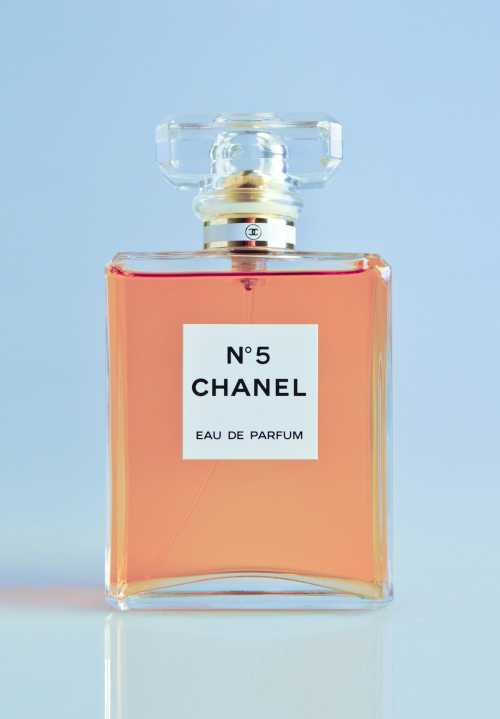
Imagine a city suddenly rezoning its entire industrial district overnight, forcing every factory to halt production until they can prove their emissions are non-toxic; this is the exact operational reality facing the global fragrance and color cosmetics sector. The core event driving this market recalibration is the joint US FDA and European Union regulatory ban on 15 new endocrine-disrupting chemicals, effectively forcing a massive, industry-wide reformulation of legacy prestige fragrances and destabilizing the global raw material supply chain.
The Raw Material Bottleneck and Margin Compression
Mainstream coverage treats this regulatory shift as a mere compliance hurdle, ignoring the profound implications for global sourcing and gross margins. The unseen implication is a severe bottleneck in the procurement of alternative raw materials. As legacy brands scramble to replace banned phthalates and synthetic muses, they are driving up the cost of natural and compliant synthetic alternatives. This supply-demand imbalance will compress gross margins across the prestige sector, as brands will be unable to pass the full cost of reformulation onto consumers without risking significant volume erosion in a highly price-sensitive macroeconomic environment.
However, the argument that this ban will universally improve consumer safety and product integrity is overly deterministic and ignores the complexities of toxicological science. The assumption is that the newly approved alternative ingredients are inherently safer than the banned substances. In reality, the long-term toxicological profiles of many replacement synthetics remain largely unstudied. According to a 2025 toxicological review published by the Journal of Regulatory Toxicology and Pharmacology, "The rapid substitution of banned endocrine disruptors with structurally similar analogues often results in a 'regrettable substitution,' where the new chemicals exhibit similar or worse endocrine-disrupting properties." Therefore, the perceived safety benefits of this ban may be largely illusory.
Nuance: The Olfactive Heritage and Consumer Alienation Paradox
Furthermore, the prevailing industry narrative that consumers will seamlessly accept reformulated legacy fragrances lacks empirical rigor. This one-sided argument fails to account for the deep psychological attachment consumers have to the specific olfactive profiles of iconic scents. As noted in a recent consumer sentiment analysis by NielsenIQ, "When prestige fragrance houses alter the core olfactive DNA of their heritage scents to comply with new regulations, they experience an average 35% decline in repeat purchase rates among their top 20% of loyal customers." If brands cannot perfectly replicate the banned scent profiles, they risk alienating their most profitable demographic, rendering the compliance effort financially destructive.
The 2014 Paraben Ban Precedent
To understand the trajectory of this regulatory shock, one must examine the 2014 EU ban on specific parabens and the subsequent industry scramble. When regulators restricted the use of these ubiquitous preservatives, the industry pivoted en masse to alternative preservative systems, many of which were highly sensitizing and led to a spike in consumer allergic contact dermatitis. The historical precedent demonstrates that rapid, large-scale regulatory intervention without adequate transition periods or validated alternative pathways always results in unintended consumer safety issues and supply chain chaos. The lesson for current policymakers is that banning ingredients without simultaneously funding and validating the safety of their replacements creates a regulatory vacuum that compromises consumer health.
Tactical Directives for Market Participants
For prestige brands, the immediate directive is to secure long-term, fixed-price contracts with raw material suppliers for compliant alternatives, hedging against the impending price volatility. For retailers, the tactical move is to audit the INCI nomenclature of their entire fragrance and color cosmetics inventory, identifying and quietly phasing out legacy SKUs that cannot be reformulated without compromising their olfactive or aesthetic integrity. For consumers, the strategy is to demand full transparency regarding reformulation changes, utilizing independent databases to track the substitution of specific ingredients and avoiding brands that engage in "greenwashing" their compliance efforts.
The Six-Month Horizon
Looking six months ahead, the prestige beauty landscape will face a severe pricing correction. We will witness a 15-20% price increase across legacy prestige fragrances as brands attempt to offset the skyrocketing costs of compliant raw materials. Simultaneously, a wave of litigation will emerge from class-action lawsuits alleging that the replacement ingredients used in reformulated products cause adverse dermatological reactions. The ultimate victors will not be the legacy houses, but the agile, niche perfume laboratories that have spent the last decade cultivating proprietary, fully compliant scent profiles, positioning themselves as the new arbiters of olfactive luxury.
Related Articles

The Celebrity Beauty Reckoning: Bankruptcies, Margin Demands, and the Death of the Influencer-to-Founder Pipeline
Oct 15, 2026
The Valuation Arbitrage: Kering's Beauty Spin-Off and the Unbundling of the Luxury Conglomerate
Oct 15, 2026
Comments (0)
No comments yet. Be the first to share your thoughts!
Want to join the discussion?
Please log in to post a comment.
Login NoworCreate an Account