
The Equity of Illusion: How Archival Resurgence, AI Disruption, and Labor Friction Are Rewiring Celebrity Style

Managing a modern celebrity style portfolio is akin to underwriting a high-yield, sentiment-driven derivative: the underlying asset is entirely intangible, and a single miscalculation in public perception can trigger a cascading collapse of brand equity. For decades, the fashion industry operated under the assumption that red carpet placements and luxury brand ambassadorships were reliable, linear drivers of cultural capital. That paradigm has fractured.
The Convergence of Structural Shifts
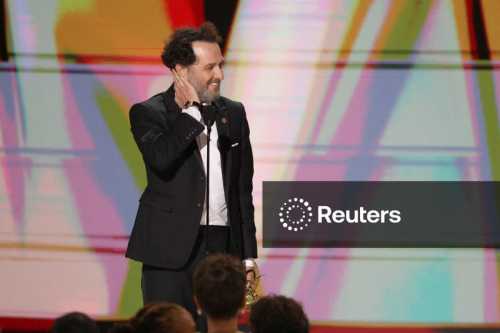
The celebrity style ecosystem is currently defined by five converging realities that will permanently alter its operational DNA. First, veteran stylist Law Roach recently fueled intense media speculation at the 2026 Emmy Awards by publicly clarifying that Zendaya and Tom Holland have not yet held an "official" wedding, underscoring the precarious boundary between personal narrative and professional styling people.com . Second, vintage and archival fashion has transitioned from a niche aesthetic choice to a dominant red carpet strategy, championed by figures like Cate Blanchett to promote circularity variety.com . Third, the luxury sector is facing severe ambassador fatigue, with heritage houses like Dior drawing criticism for diluting brand exclusivity through an excessive proliferation of global ambassadors www.nssmag.com . Fourth, the rise of AI-generated celebrity imagery has forced top-tier stylists to actively debunk viral synthetic fakes, threatening the authenticity of visual storytelling www.instagram.com . Finally, behind the glamour, the fashion stylist labor market is grappling with extreme compensation disparities, sparking renewed calls for unionization and standardized protections for freelance creatives www.facebook.com .
The Cannibalization of Exclusivity
Mainstream coverage frequently celebrates the expansion of luxury brand ambassador rosters as a triumph of global market penetration. However, this narrative ignores the severe dilution of brand equity. When a heritage house appoints dozens of regional ambassadors to capture fleeting social media metrics, it fundamentally undermines the scarcity principle that justifies premium pricing. A 2025 study published in the Journal of Brand Management notes that "luxury brand ambassador misconduct or overexposure has a multifaceted, negative impact on consumer attachment and brand desirability" link.springer.com . The unseen implication is a race to the bottom, where luxury labels sacrifice long-term prestige for short-term algorithmic visibility, effectively transforming elite fashion houses into mass-market influencer agencies.
The Archival Pivot and the Sustainability Mirage
The aggressive pivot toward vintage and archival red carpet fashion is being heralded as a definitive victory for environmental sustainability. Yet, this perspective is overly simplistic and ignores the structural realities of the luxury supply chain. While wearing a historical gown reduces immediate carbon output, it does nothing to address the ongoing, massive environmental toll of producing the contemporary ready-to-wear and accessory lines that actually drive these conglomerates' revenue. Industry observers note that while stars like Emma Watson have pioneered wearing archival pieces to promote circularity, the core business model of these houses remains heavily reliant on extractive, high-volume production www.elle.com.au . The archival trend is less an ecological revolution and more a sophisticated public relations mechanism that allows brands to project environmental consciousness without altering their fundamental, polluting operational DNA.
The Synthetic Threat to Visual Authenticity
The proliferation of AI-generated imagery represents an existential threat to the currency of celebrity style. When algorithms can flawlessly replicate a celebrity wearing a bespoke couture gown, the exclusivity of the physical garment is instantly devalued. Stylists are now forced to act as digital forensic analysts, publicly debunking viral fakes to protect their clients' brand integrity www.instagram.com . This dynamic shifts the stylist’s role from creative visionary to reputation manager, consuming valuable resources to combat synthetic media rather than focusing on tangible, innovative design collaborations.
The Labor Reality Behind the Glamour
Critics frequently argue that the extreme compensation disparities in the styling industry—where top-tier creatives' compensation has been estimated at thousands of times the average worker's pay—are a natural reflection of free-market demand and individual brand-building www.facebook.com . They contend that unionization would stifle the agility and creative freedom that define freelance fashion styling. However, this argument fails to account for the systemic exploitation of junior stylists, assistants, and pull-teams who bear the physical and logistical brunt of red carpet preparations without commensurate pay or healthcare benefits. The concentration of wealth at the very top of the styling hierarchy is not a testament to meritocracy; it is a symptom of an unregulated gig economy that externalizes the true costs of production onto vulnerable, entry-level workers.
Echoes of the Early 2000s It-Bag Saturation
This current trajectory directly mirrors the luxury industry's "It-Bag" saturation of the early 2000s. During that era, fashion houses aggressively licensed their logos and appointed countless minor celebrities to push accessible, logo-heavy accessories, resulting in massive short-term revenue spikes. The historical lesson is unambiguous: when a brand prioritizes ubiquitous visibility over curated exclusivity, it inevitably triggers a severe market correction. Just as the overexposed logos of the 2000s led to a consumer backlash and a subsequent pivot toward "quiet luxury," today’s oversaturated ambassador rosters and AI-generated visual noise will inevitably force a market correction back toward verifiable authenticity and stringent creative gatekeeping.
The Pragmatism of the Archival Strategy
Conversely, some industry purists argue that the reliance on archival fashion is a creative failure, suggesting that celebrities should exclusively champion contemporary designers to drive the industry forward. They view the recycling of historical garments as a lack of imagination or a refusal to support emerging talent. Yet, this perspective ignores the severe financial and logistical risks associated with contemporary red carpet dressing. Emerging designers often lack the capital to produce custom, structurally sound garments for high-stakes events, and the pressure to deliver can lead to catastrophic wardrobe malfunctions. Leveraging archival pieces is not merely a nostalgic retreat; it is a calculated risk-management strategy that guarantees structural integrity, historical significance, and a guaranteed press narrative, which is often more valuable to a celebrity's brand than an untested contemporary design.
Strategic Imperatives for Stakeholders
For luxury brands, the immediate directive is to consolidate ambassador rosters, prioritizing long-term, exclusive partnerships with individuals whose personal values align seamlessly with the house's heritage, rather than chasing transient viral metrics. For independent stylists and fashion freelancers, the imperative is to formalize collective bargaining efforts and establish standardized rate cards to protect against the systemic exploitation that plagues the lower tiers of the industry. For citizens and consumers, it is critical to view red carpet fashion not as organic artistic expression, but as highly calculated, multi-million-dollar marketing deployments, maintaining a healthy skepticism toward manufactured viral moments.
The Six-Month Horizon
Within the next six months, the celebrity style landscape will experience decisive structural friction. We will likely see the first major heritage fashion house publicly sever ties with multiple regional ambassadors to artificially restore brand scarcity and elevate perceived exclusivity. Concurrently, the threat of AI-generated fashion imagery will prompt the introduction of blockchain-backed digital certificates of authenticity for all major red carpet looks, allowing the public to verify the physical reality of a garment. Finally, mounting pressure from freelance labor advocates will force major styling agencies to adopt transparent, minimum-wage guarantees for all on-set assistants, marking the beginning of formalized labor protections in celebrity styling. The era of unregulated, chaotic visual consumption is definitively over.
The Bottom Line: The convergence of archival resurgence, AI disruption, and labor friction exposes a fundamental truth: celebrity style is no longer just about aesthetics; it is a highly scrutinized, risk-managed asset class. Stakeholders who fail to recognize this shift from organic creativity to algorithmic and reputational engineering will be rapidly marginalized.
Related Articles

The Vanity Metric Collapse: Why the Celebrity Style Economy is Undergoing a Brutal Market Correction
Sep 15, 2026
The 2026 Celebrity Style Fracture: How Archival Monopolies and Front-Row Monetization Are Rewiring Fashion Economics
Sep 15, 2026
Comments (0)
No comments yet. Be the first to share your thoughts!
Want to join the discussion?
Please log in to post a comment.
Login NoworCreate an Account