
The Fragmentation Tax: How the $14.2 Billion Streaming Pivot is Recreating the Cable Monopoly

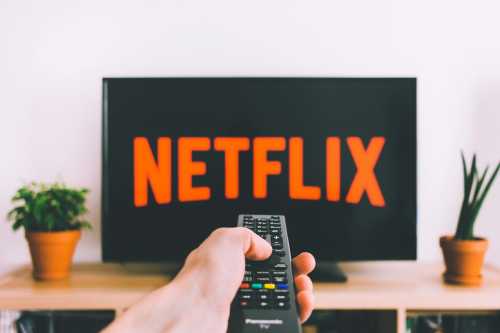
Imagine being forced to contract with five separate utility providers just to keep the lights on in a single room. This is the precise economic reality consumers now face in the digital streaming ecosystem. What began as a consumer-friendly revolution designed to dismantle the bloated, restrictive cable bundle has metastasized into a hyper-fragmented, premium-tier luxury market. The foundational economics of how live entertainment is distributed, priced, and consumed are undergoing a structural reckoning, transforming viewer access from a public good into an algorithmically gated commodity.
The Catalyst: The $14.2 Billion Sports Streaming Pivot
The media landscape is witnessing an aggressive consolidation of live sports rights onto digital platforms, fundamentally altering viewer access and market dynamics. Streaming platforms are now projected to spend $14.2 billion on sports rights in 2026, with generalist streamers representing a rapidly expanding 44% of this market www.aidigital.com . Concurrently, legacy media entities are launching comprehensive aggregation packages, such as the new $35.99/month bundle combining Disney+, Hulu, and ESPN Unlimited, effectively recreating the traditional cable package under a digital guise thewaltdisneycompany.com . This dual movement signals the end of the standalone streaming era and the dawn of forced digital aggregation.
The Ghost of Cable Past: A Historical Precedent
To understand the current friction, one must examine the media landscape of the late 1990s. During that era, the proliferation of cable channels led to aggressive à la carte pricing demands from consumers, which the industry temporarily satisfied before ultimately forcing bundled packages to maintain margin stability. The current digital ecosystem is mirroring this trajectory with striking precision. Industry observers note that the original rationale of expanding consumer access is being subverted by fragmented digital ecosystems that prioritize exclusive, high-margin walled gardens over broad availability. We are not witnessing technological innovation; we are observing the digitization of 1990s rent-seeking behavior, complete with artificial scarcity and forced aggregation.
The Hidden Tax on Local Hospitality
Mainstream discourse frequently overlooks the compounding fragmentation tax levied on local economies, particularly the hospitality sector. When broadcasting rights are splintered across exclusive streaming silos, the aggregate cost of commercial access escalates disproportionately. Independent bars and restaurants now face demands from multiple rights holders for separate, premium commercial streaming licenses. This margin compression is severe, forcing many establishments to abandon live sports programming altogether. The erosion of these vital community gathering hubs represents a silent economic casualty of the streaming wars, a detail largely ignored by Wall Street analysts focused solely on subscriber acquisition costs. Furthermore, the administrative burden of managing multiple commercial accounts, each with distinct blackout restrictions and geo-fencing protocols, diverts critical operational bandwidth away from core hospitality functions.
The Algorithmic Churn Crisis
Beyond commercial venues, the consumer base is exhibiting unprecedented volatility. A recent primary market analysis reveals that 43% of Americans plan to cancel a streaming service in the next three months due to compounding price hikes www.reviews.org . This is not mere budget tightening; it is a structural rejection of the subscription fatigue model. Consumers are increasingly adopting "churn and return" behaviors, subscribing only for specific seasonal events—such as a singular NFL playoff run or a major boxing match—before immediately canceling. This volatility undermines the predictable recurring revenue models that streaming valuations are built upon, forcing platforms into a desperate cycle of constant content acquisition to prevent mass exodus.
The Illusion of the 'Unlimited' Bundle
The industry’s proposed solution to this fragmentation is the mega-bundle, exemplified by the new $35.99/month aggregation of Disney+, Hulu, and ESPN Unlimited thewaltdisneycompany.com . While marketed as a consumer-friendly consolidation, this model inherently centralizes market power. By forcing consumers to purchase a monolithic package to access disparate content verticals, platforms are insulating themselves from competitive pressure. The "unlimited" moniker is a marketing construct designed to obscure the reality that consumers are still paying a premium for content they do not consume, subsidizing the platform's broader, less profitable ventures.
The Innovation Defense: A Necessary Counter-Perspective
However, framing regulatory scrutiny or consumer backlash as an unalloyed good ignores the operational realities of modern media production. Proponents of the current decentralized model argue that exclusive, high-value streaming deals generate the capital necessary to fund high-fidelity production, advanced analytics integration, and niche sports coverage that traditional broadcast networks historically ignored. Dismantling these agreements or capping prices could inadvertently starve emerging leagues and independent creators of the revenue required to achieve competitive viability. Without the financial backing of deep-pocketed tech conglomerates, the overall diversity and quality of live entertainment programming could regress, ultimately harming the consumer experience the regulations aim to protect.
Strategic Imperatives for Consumers and Venues
Local businesses and citizens must adopt proactive, defensive financial strategies immediately. Hospitality venues should conduct a comprehensive audit of their commercial media licensing agreements. Rather than absorbing prohibitive multi-platform streaming fees, independent venues should pivot toward hosting localized, non-broadcast-dependent live experiences, such as curated acoustic performances or interactive community events, to insulate their revenue streams from broadcasting cost volatility. Consumers must aggressively audit their personal subscription portfolios, canceling redundant services and leveraging rotational subscriptions aligned strictly with specific seasonal sports calendars. Institutional investors, meanwhile, should reallocate capital away from pure-play legacy media distributors and toward agile, direct-to-consumer sports technology platforms that facilitate decentralized, compliant viewing architectures.
The Sovereignty Imperative: The Case Against Aggregator Monopolies
Conversely, a strict free-market interpretation warns against the dangers of allowing these mega-bundles to operate without stringent antitrust oversight. If platforms are permitted to merge their live sports and entertainment verticals into singular, inescapable subscriptions, they effectively recreate the cable monopolies of the past, but with superior data-tracking capabilities. This consolidation threatens to stifle independent content creators who cannot afford the exorbitant fees required to be included in these walled gardens. True market sovereignty requires maintaining distinct, competitive platforms, ensuring that no single entity can dictate the terms of access for both live sports and scripted entertainment simultaneously.
The 2027 Consolidation Horizon
Within the next six to twelve months, the current regulatory and consumer pressure will catalyze a forced consolidation wave. We will not see a return to traditional cable, but rather the emergence of super-aggregator streaming bundles, mandated or heavily incentivized by congressional pressure to restore baseline consumer access. As media analysts project, this regulatory friction will force competing streaming platforms into joint-venture distribution models by late 2027, effectively recreating the cable bundle under a digital guise, but with strict price-cap regulations attached. The entities that survive will be those that anticipate this regulatory pivot and engineer flexible, compliant distribution architectures today. For further context on the evolving bundle landscape, review the official Disney bundle structuring.
Related Articles

The Railroad Barons of Attention: How September 2026 Killed the Streaming Gold Rush
Sep 30, 2026The Streaming Reckoning: How the Mega-Bundle and Synthetic Localization Are Dismantling the Standalone Platform Era
Sep 29, 2026
Comments (0)
No comments yet. Be the first to share your thoughts!
Want to join the discussion?
Please log in to post a comment.
Login NoworCreate an Account