
The Great American Fuel Upgrade: Why the U.S. is Finally Putting Real Food First

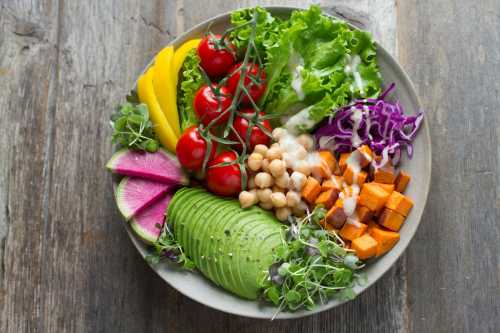
For many years, the rules about what we should eat were very confusing. You might have seen a picture called a food pyramid that told you to eat lots of bread and pasta, even if it made you feel sleepy and sluggish. At the same time, the stores became filled with boxes and bags of food that looked very colorful and tasted very sweet, but were actually made in big factories instead of grown on a farm. We call this ultra-processed food. It is food that has been changed so much from its original form that your body hardly recognizes it.
When you eat ultra-processed food, it is like throwing sticky candy into the engine of that beautiful race car. At first, the car might go really fast because of all the sugar, but very quickly, it starts to sputter, cough, and break down. This is why so many people have been feeling tired, getting sick more often, and struggling with their weight. The old rules were not protecting us from the sticky candy.
The Big Announcement: A Historic Reset
Now, the leaders of the United States Department of Agriculture (USDA) and the Department of Health and Human Services (HHS) have stepped up to the microphone. They have unveiled what they are calling a historic reset of American nutrition policy. They are putting real food back at the very center of our health. This is not just a small tweak or a minor adjustment to an old rulebook. This is a complete rewriting of the story we tell ourselves about food.
The new message is incredibly simple but profoundly powerful: eat real food. Real food is an apple that grew on a tree, not an apple-flavored fruit snack made in a laboratory. Real food is a piece of fish that swam in the ocean, not a fish stick filled with artificial colors. The government is now officially saying that to be healthy, we need to return to the foods that nature created, and we need to drastically reduce the factory-made foods that have been making us unwell.
But what exactly does this mean for you and your family when you walk into the grocery store? It means that the guidelines are shifting away from telling you just how many calories to count, and instead focusing on the quality of the food on your plate. The new dietary guidance emphasizes that the source of your calories matters just as much as the number of them. A calorie from a fresh, crunchy carrot is not the same as a calorie from a sugary soda, even if they both give your body the same amount of energy. The carrot gives you vitamins, minerals, and fiber that act like tiny mechanics, fixing and protecting your race car's engine. The soda gives you nothing but a quick spike and a hard crash.
This historic reset also shines a bright light on the importance of reducing added sugars and unhealthy fats. For a long time, food companies hid sugars in foods we never expected, like bread, pasta sauce, and yogurt. They made these foods hyper-addictive so that you would want to eat more and more of them. The new policy aims to protect consumers, especially children, from these hidden traps. It encourages food companies to change their recipes and make their products healthier, or risk being left behind as consumers become more educated and demand better.
One of the most beautiful parts of this new policy is its focus on the connection between our health and the health of our planet. When we choose real, whole foods, we are often choosing foods that are grown in a way that respects the earth. We are supporting local farmers who take care of the soil and the water. This creates a wonderful cycle: healthy soil grows nutritious food, nutritious food builds strong human bodies, and strong human bodies have the energy to take care of the planet. It is a circle of goodness that benefits everyone.
Now, you might be wondering, does this mean I can never eat a cookie or a slice of pizza again? The answer is no. The leaders behind this reset are not about making people feel guilty or taking away all the joys of eating. Food is meant to be enjoyed! It is meant to bring us together around the dinner table, to celebrate birthdays, and to comfort us when we are sad. The goal of this new policy is not to ban treats, but to change the foundation of our diet. It is about making sure that the vast majority of the fuel you put in your race car is high-quality, premium fuel. If ninety percent of the time you are eating real, nourishing foods, then the ten percent of the time you have a special treat will not derail your health. It is about balance, not perfection.
To help make this easier, the government is also looking at how food is labeled. Imagine if every box in the grocery store had a giant, easy-to-read stop sign on the front if it was packed with too much sugar or unhealthy chemicals. That is the kind of transparency this new movement champions. They want to empower you with knowledge. When you know exactly what is in your food, you can make the best choices for your own body. You become the boss of your own health.
This shift towards real food is also expected to have a massive impact on our healthcare system. Right now, a huge amount of money is spent treating diseases that are caused by poor diet, like heart disease, diabetes, and high blood pressure. These are often called lifestyle diseases because they are heavily influenced by the way we live and eat. By preventing these diseases before they start through better nutrition, we can save billions of dollars and, more importantly, save people from suffering. We can add life to our years and years to our life.
How You Can Start Today
You do not have to wait for the government to change everything before you start taking care of your race car. You can begin right now, at your very next meal. Here are a few simple ways to embrace this new era of real food:
- Shop the perimeter: Most grocery stores are designed with fresh produce, meats, and dairy around the outer walls. The inner aisles are usually where the boxed, processed foods live. Try to fill your cart mostly from the outside edges.
- Read the ingredients: If a package has a list of ingredients that reads like a science experiment with words you cannot pronounce, it is probably ultra-processed. Look for foods with short, simple ingredient lists.
- Cook at home: When you cook your own meals, you are the boss of what goes into them. You control the amount of salt, sugar, and fat. It can be fun to experiment with new recipes and discover how delicious real ingredients can be.
- Drink water: One of the easiest ways to cut out hidden sugars is to make water your main drink. If plain water is boring, try adding a slice of lemon, lime, or cucumber to give it a refreshing twist.
The historic reset of U.S. nutrition policy is a beacon of hope. It is an acknowledgment that for too long, we have prioritized convenience and profit over human health. But it is also a celebration of the incredible power of nature to heal and nourish us. By putting real food back at the center of our health, we are not just following a new set of rules; we are returning to the wisdom of our ancestors. We are remembering that food is medicine, food is energy, and food is life.
As this new policy rolls out across the country, you will start to see changes. You will see more real food in schools, clearer labels in stores, and a cultural shift that celebrates the beauty of a home-cooked meal. It will take time to undo decades of confusing advice and heavily marketed processed foods, but the path forward is now clear. The engine of our nation is ready for premium fuel, and thanks to this historic reset, we finally know how to fill the tank.
Related Articles
The Great Nutrition Reset: Why 2026's Dietary Guidelines and GLP-1 Revolution Are Creating a $2 Billion Supplement Crisis
Sep 23, 2026
The Yield Management of Attention: How Streaming’s Profitability Pivot Recreated the Cable Monopoly
Sep 22, 2026![[The Pharmacological Pivot: How GLP-1 Agonists and FDA Crackdowns Are Rewiring the Fitness Economy]](https://www.crimaz.com/assets/images/no-image.jpg)
Comments (0)
No comments yet. Be the first to share your thoughts!
Want to join the discussion?
Please log in to post a comment.
Login NoworCreate an Account